Madagascar Enacts 15-Day Energy Emergency Amid Crisis
Synopsis
In a swift response to a critical energy supply crisis, Madagascar's government has declared a 15-day state of emergency. This measure aims to restore energy supplies and maintain essential services amidst challenges linked to the Middle East conflict.
Key Takeaways
Madagascar declares a 15-day state of energy emergency.
The crisis is linked to the Middle Eastern conflict affecting energy supplies.
Emergency measures aim to restore energy and maintain essential services.
Petrol stations are experiencing shortages and storage issues.
The government is committed to mobilizing resources to address the crisis.
Antananarivo, April 8 (NationPress) The government of Madagascar has announced a 15-day state of energy emergency throughout the nation to tackle a significant crisis affecting energy supplies.
A statement from the presidency indicated that this situation has arisen largely due to the impacts of the conflict in the Middle East, which has disrupted energy imports and essential services within Madagascar.
The administration noted that this emergency status would facilitate the swift execution of focused measures aimed at restoring energy supplies, ensuring the continuity of crucial services, and sustaining the overall functioning of the national economy.
This ongoing energy crisis is also affecting public safety, security, and institutional stability, according to the communiqué.
The government emphasized its dedication to mobilizing all available resources to navigate through this crisis and mitigate its effects on the daily lives of citizens.
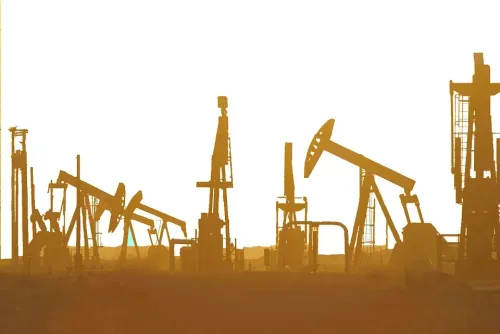
Local news sources report that since mid-March, petrol stations in Madagascar have been facing issues such as inadequate storage or temporary stock shortages. The country’s supply of refined oil is heavily reliant on imports, especially from Oman, as reported by Xinhua news agency.
In response to escalating global oil prices driven by the Iran conflict, several African governments have taken measures, including sharp increases in fuel prices and energy conservation strategies. A cabinet statement highlighted, “This decision was made after recognizing the severe crisis the nation is experiencing, linked to disruptions in energy supply across the island, stemming from the ongoing conflict in the Middle East.”
Earlier today, US President Donald Trump announced a two-week suspension of planned military actions against Iran, conditioned on Tehran’s agreement to reopen the Strait of Hormuz and ongoing negotiations for a broader peace accord.
In his statement, Trump mentioned that the decision followed discussions with Prime Minister Shehbaz Sharif and Field Marshal Asim Munir from Pakistan, who advocated for restraint amidst rising tensions.
“Provided the Islamic Republic of Iran consents to the immediate and safe reopening of the Strait of Hormuz, I agree to pause any military actions against Iran for a duration of two weeks,” he stated, referring to the move as part of a “double-sided ceasefire.”
This announcement signifies a temporary cessation of what was becoming a substantial escalation in the Gulf, with Trump asserting that US military objectives have been largely met.
Point of View
It is imperative to highlight that the Malagasy government's declaration of a state of energy emergency underscores the urgent need to address significant disruptions in energy supplies. This situation not only threatens public services but also poses risks to the stability and security of the nation. The government's proactive approach to mobilize resources will be crucial in navigating this crisis effectively.
NationPress
18 Sept 2026
Frequently Asked Questions
What is the reason for the energy emergency declaration in Madagascar?
The declaration is primarily due to the significant disruptions in energy supplies linked to the conflict in the Middle East, which have adversely affected public services in Madagascar.
How long will the state of energy emergency last?
The state of energy emergency is set to last for 15 days.
What measures will the government implement during this emergency?
The government plans to implement rapid and targeted measures to restore energy supplies and ensure the continuity of essential services.
How has the energy crisis affected petrol stations in Madagascar?
Since mid-March, petrol stations have been facing issues such as insufficient storage capacity or temporary stock shortages.
What is Madagascar's reliance on oil imports?
Madagascar's supply of refined petroleum heavily depends on imports, particularly from Oman.