Global Fuel Crisis: From Rationing to Mall Closures, Nations Take Action
Synopsis
As global tensions escalate, countries are adopting extreme measures to conserve fuel and ensure energy access. From Sri Lanka's public holidays to Egypt's mall closures, the impact of the fuel crisis is reshaping daily life worldwide.
Key Takeaways
Global fuel crisis is driven by Middle Eastern conflicts and geopolitical tensions.
Countries are implementing fuel rationing and adopting remote work policies.
Sri Lanka and Bangladesh have declared public holidays to conserve energy.
Egypt has mandated early closures for malls and restaurants.
European nations are setting diesel purchase quotas to prevent shortages.
New Delhi, March 23 (NationPress) In response to the disruption of oil and gas supplies due to escalating tensions in the Middle East, nations around the globe are implementing stringent measures to conserve fuel and maintain energy access for their citizens. A senior official from the International Energy Agency (IEA) noted that the impact of these disruptions in West Asia is comparable to the combined effects of the two major oil crises in the 1970s and the 2022 natural gas crisis that followed Russia's invasion of Ukraine.
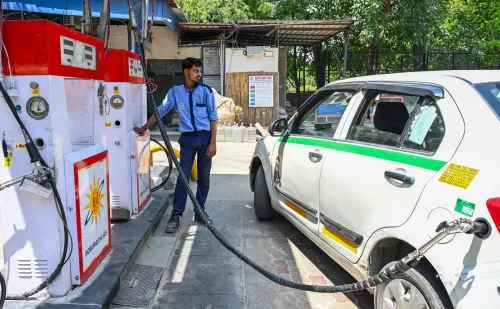
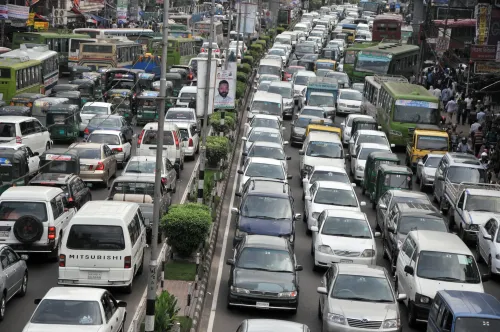
Countries across Asia, Africa, and Europe are enacting a variety of extraordinary measures, including additional public holidays, remote work mandates, fuel rationing, and temporary suspensions of industrial activities to stretch their limited fuel supplies.
Sri Lanka has declared a mandatory public holiday for schools, universities, and non-essential government workers. The nation is also enforcing fuel rationing, permitting private vehicles to acquire only 15 liters per week, while public transport can access up to 200 liters.
In Bangladesh, all universities and tutoring centers have been closed, and classes have transitioned online to alleviate electricity demand. Fuel rationing commenced on March 8, resulting in 5-hour rolling blackouts for households to conserve energy. The government has even deployed military personnel at major oil depots to prevent vandalism and safeguard reserves.
The small Himalayan nation of Bhutan has prohibited the sale of fuel in jerry cans to deter hoarding and has mandated remote work to minimize fuel usage, reserving supplies for emergency services.
Pakistan has instituted a four-day workweek and allowed 50% of government employees to work from home. Furthermore, schools and colleges have been closed for the past two weeks.
The Philippines has adopted a four-day workweek for government staff, while the private sector is encouraged to follow suit with remote work. Additionally, non-essential travel for public sector employees has been banned.
In Vietnam, businesses are urged to facilitate remote work and promote public transportation, cycling, and carpooling.
Myanmar is enforcing restrictions on private vehicle use, allowing them on alternate odd-even days based on registration numbers. A significant fuel shortage is reportedly leading many local petrol stations to close their doors.
The situation in Africa is similarly dire. Egypt has mandated that malls, restaurants, and retailers close by 9 p.m. on weekdays starting March 28, while government buildings must shut by 6 p.m. Additionally, illuminated billboards are being turned off to reduce electricity consumption.
In Kenya, fuel rationing has been initiated alongside a ban on exports, with the energy regulator warning that existing stocks will last only until April, even with these restrictions in place.
South Africa's Department of Mineral and Petroleum Resources has instituted "controlled allocation measures" at the industry level to ensure equitable distribution and prevent panic buying as diesel shortages emerge in several provinces.
The New Zealand government is contemplating reintroducing a "car-less day" policy from 1979, under which motorists would designate one no-driving day per week. To monitor fuel stocks, 1.57 million barrels are being released from reserves. Additionally, around 1,100 Air New Zealand flights have been canceled due to soaring jet fuel prices, affecting 44,000 passengers.
In Europe, Slovakia's government has set diesel purchase quotas to prevent hoarding and shortages, while Slovenia has implemented fuel rationing, allowing 30 liters for cars and 200 liters for trucks at fuel stations to ensure local supply amid high demand.
Point of View
I see the fuel crisis as a pressing issue that affects not only economies but also the daily lives of citizens. The measures being taken reflect a collective urgency to address energy shortages and ensure the well-being of the populace.
NationPress
23 Sept 2026
Frequently Asked Questions
What are the main causes of the global fuel crisis?
The global fuel crisis is primarily driven by disruptions in oil and gas supplies, exacerbated by escalating conflicts in the Middle East, as well as the aftermath of Russia's invasion of Ukraine.
How are countries responding to the fuel crisis?
Countries are implementing measures such as public holidays, remote work mandates, fuel rationing, and shutting down non-essential services to conserve fuel.
Which countries are most affected by the fuel crisis?
Countries in Asia, Africa, and Europe, including Sri Lanka, Bangladesh, and Egypt, have been significantly impacted by the fuel crisis.
What is the impact of the fuel crisis on daily life?
The fuel crisis is leading to changes in work schedules, public transport availability, and overall energy consumption, affecting daily activities and routines.
Are there any long-term solutions to the fuel crisis?
Long-term solutions may involve transitioning to renewable energy sources, improving energy efficiency, and international cooperation to stabilize oil and gas supplies.