Sri Lanka Raises Fuel Prices by 25% Amid Middle East Turmoil: Second Hike in Two Weeks
Synopsis
Sri Lanka's fuel prices have skyrocketed by up to 25%, marking a significant second hike in two weeks due to the ongoing Middle East crisis. The rising costs are causing concern for transportation and inflation across the nation.
Key Takeaways
Sri Lanka's fuel prices have risen by up to 25% .
This is the second price hike in just two weeks.
Concerns over import costs and supply uncertainties are driving these increases.
The ongoing conflict in the Middle East is impacting global energy markets.
India is assessing requests for diesel supplies from neighboring countries.
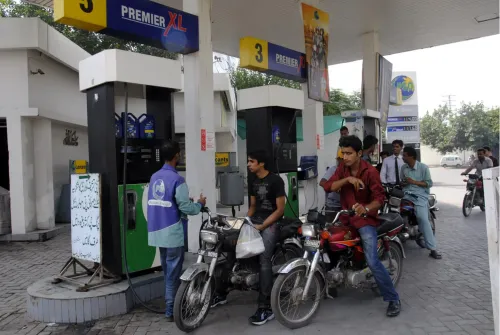
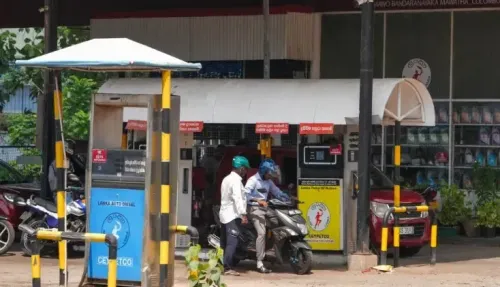
New Delhi, March 22 (NationPress) On Sunday, Sri Lanka implemented a significant increase in fuel prices, with rates rising by as much as 25 percent. This marks the second price adjustment within a mere two weeks, as the nation prepares for the escalating effects of the ongoing Middle East conflict on global energy markets.
The cost of regular petrol surged to Rs 398 per litre, up from Rs 317, while diesel, which is crucial for public transportation, experienced a sharp increase of Rs 79, now costing Rs 382 per litre.
This latest increase follows an eight percent hike announced just last week, alongside fuel rationing measures aimed at reducing consumption.
The government's decision highlights rising concerns regarding the increasing costs of imports and uncertainties in supply.
Sri Lanka relies entirely on imports for its fuel and additionally sources coal from abroad for electricity generation.
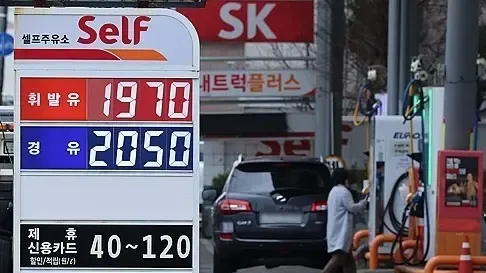
The country primarily imports refined petroleum products from Singapore, Malaysia, and South Korea, while crude oil for its Iran-constructed refinery is sourced from the Middle East, currently engulfed in heightened geopolitical tensions.
The consecutive price hikes are likely to exert pressure on transport costs and overall inflation, affecting both businesses and households already facing economic difficulties.
Simultaneously, the repercussions of the West Asia crisis are being felt throughout South Asia, with several nations increasingly anxious about potential fuel supply disruptions.
In India, the Ministry of External Affairs (MEA) has confirmed that it is reviewing requests from neighboring countries, including Sri Lanka, Bangladesh, and the Maldives, for diesel supplies.
“India is a significant exporter of refined petroleum products, especially to our neighbors,” stated MEA spokesperson Randhir Jaiswal during a media briefing in New Delhi earlier this month.
He emphasized that requests for fuel supply are under evaluation while considering India’s domestic needs and refining capacity.
Point of View
It's essential to recognize the gravity of Sri Lanka's situation, where rising fuel prices exacerbate existing economic struggles. This situation calls for a national dialogue on energy independence and sustainability amidst global uncertainties.
NationPress
23 Sept 2026
Frequently Asked Questions
Why did Sri Lanka increase fuel prices?
Sri Lanka raised fuel prices due to rising import costs and concerns over supply uncertainties stemming from the ongoing conflict in the Middle East.
How much did fuel prices increase in Sri Lanka?
Fuel prices in Sri Lanka increased by up to 25%, with petrol now costing Rs 398 per litre and diesel Rs 382 per litre.
What impact will this have on the economy?
The price hikes are expected to increase transport costs and overall inflation, affecting both businesses and households already facing economic challenges.
Is India providing support to Sri Lanka?
Yes, India is reviewing requests from Sri Lanka and other neighboring countries for diesel supplies to address potential shortages.
What are the sources of Sri Lanka's fuel?
Sri Lanka relies on imports for its fuel needs, sourcing refined petroleum products mainly from Singapore, Malaysia, and South Korea.