UN experts chart Africa's development path amid global fragmentation
Synopsis
Africa carries a $1.2 trillion debt load, 16 countries at high distress risk, and a youth unemployment crisis — yet UN experts meeting in Addis Ababa argue the continent's youngest-in-the-world population and 94 regional value chains make transformative growth not just possible but urgent.
Key Takeaways
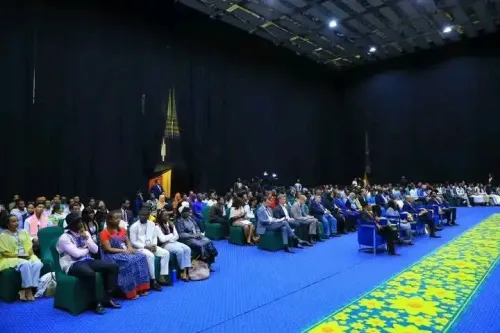
UN DESA and UNECA convened a high-level policy dialogue in Addis Ababa on Friday, 9 May 2025 on Africa's development pathways.
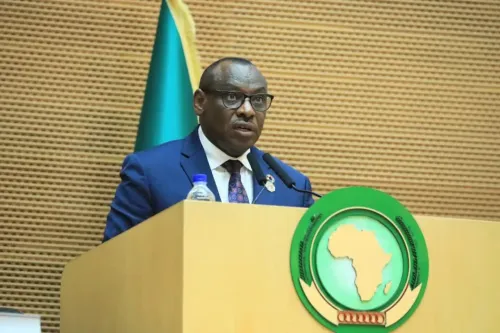
UNECA Executive Secretary Claver Gatete flagged global shocks — fuel, fertiliser disruptions, inflation — as ongoing threats to Africa's fiscal space.
Africa's total debt stands at $1.2 trillion , with 16 African countries at high risk of debt distress.
The African Continental Free Trade Area (AfCFTA) and UNECA's work across 94 regional value chains were highlighted as concrete integration pathways.
Experts stressed urgent action on youth unemployment , climate impacts , and persistent inequalities to unlock inclusive growth.
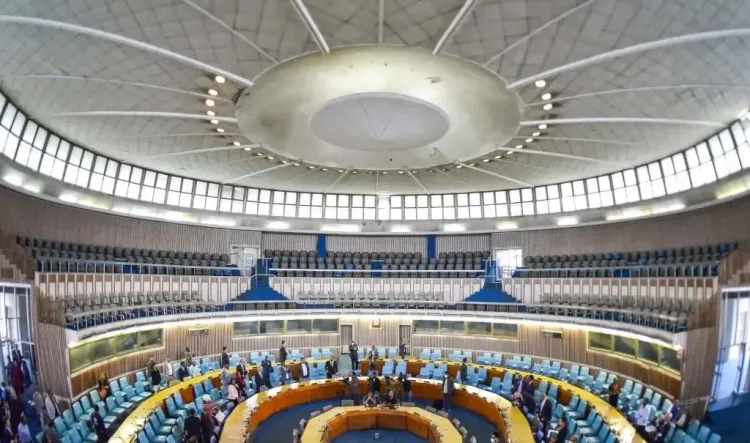
United Nations experts and senior officials on Friday called for sweeping policy reforms centred on social inclusion, resilience, and regional integration to help Africa overcome deepening inequalities, acute youth unemployment, and accelerating climate threats. The call came at a high-level global policy dialogue held in Addis Ababa, Ethiopia, convened by the UN Department of Economic and Social Affairs (UN DESA) in collaboration with the UN Economic Commission for Africa (UNECA).
Key Developments at the Dialogue
The event, themed
Point of View
Vast resources, growing regional frameworks — keeps colliding with a debt overhang and fiscal constraints that leave governments with little room to invest in the very infrastructure and industrialisation they need. The $1.2 trillion debt figure, with 16 nations at high distress risk, is not a background statistic — it is the binding constraint on every other ambition discussed. What the dialogue's framing of 'fragmentation' also obscures is that the fragmentation is partly driven by geopolitical realignments that are reshuffling Africa's trade and aid relationships in ways that AfCFTA alone cannot resolve. The real test is whether regional integration frameworks translate into enforceable commitments, not just aspirational value-chain maps.
NationPress
11 May 2026
Frequently Asked Questions
What was the UN policy dialogue on Africa about?
The dialogue, themed 'Africa's Development Pathways in a Fragmenting World,' brought together UN experts and officials in Addis Ababa to explore strategies for social inclusion, youth employment, regional integration, and climate resilience. It was jointly convened by UN DESA and UNECA.
What is Africa's current debt situation?
Africa's total debt stands at $1.2 trillion, with 16 African countries currently at high risk of debt distress, severely limiting their fiscal capacity to invest in development priorities.
What role does the African Continental Free Trade Area play?
The African Continental Free Trade Area (AfCFTA) was highlighted as a key mechanism to boost intra-African trade, investment, and manufacturing. UNECA's work across 94 regional value chains was cited as a concrete pathway to deepen economic integration.
What did UNECA's Executive Secretary say at the dialogue?
UNECA Executive Secretary Claver Gatete said global shocks — including fuel and fertiliser disruptions, inflationary pressures, and constrained fiscal space — continue to expose Africa's vulnerabilities. He called for strategic infrastructure corridors, deeper regional integration, and accelerated industrialisation to address both immediate and long-term challenges.
Why is youth unemployment a central concern for Africa's development?
Africa has the world's youngest and fastest-growing population, making youth employment a critical lever for inclusive economic transformation. Experts at the dialogue warned that without expanded opportunities for young people, persistent inequality and social instability will continue to undermine growth.