Kashmir Fuel Panic: Chaos Erupts as Residents Rush to Gas Stations Amid False Shortage Claims
Synopsis
On March 25, panic buying ensued across the Kashmir Valley as residents flocked to fuel stations despite reassurances of no shortages. Authorities warn against artificial scarcity created by hoarding behavior.
Key Takeaways
Panic buying led to chaos at petrol stations in Kashmir.
Indian Oil Corporation confirms no fuel shortage.
Authorities urge residents to buy only what they need.
Police manage crowd control at refueling stations.
Black market LPG sales are being monitored by authorities.
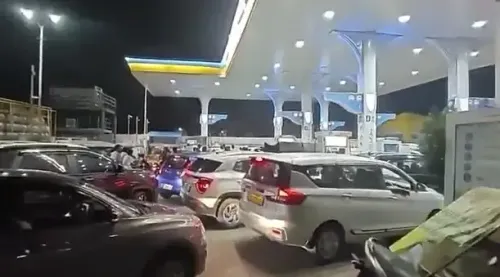
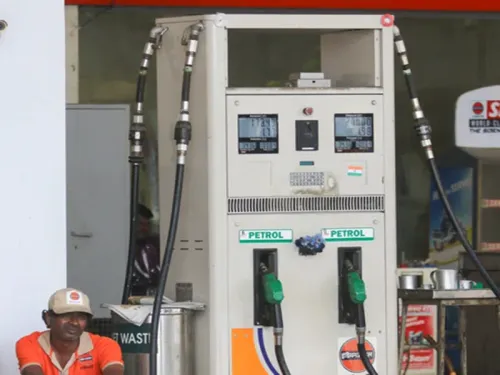
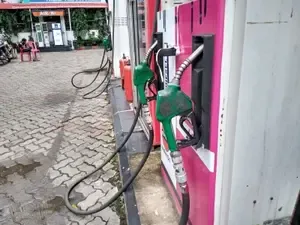
Srinagar, March 25 (NationPress) A wave of panic swept through the Kashmir Valley on Wednesday as drivers, truck operators, and owners of other vehicles flooded petrol and diesel stations in a frantic attempt to secure fuel.
This frenzy occurred despite clear statements from the Indian Oil Corporation affirming that there is no shortage of petroleum products in Jammu and Kashmir.
As word spread that an acute energy crisis was affecting the Valley, people rushed to refueling stations.
In several locations, police were deployed to manage the crowd, while individuals arriving with jerrycans, tins, and other containers were denied fuel.
The chaos peaked in Srinagar city, where multiple petrol and diesel stations closed their doors, claiming they had exhausted their supplies.
Authorities have been urging the public to refrain from panic buying, assuring them that existing stocks of petrol, diesel, and LPG can sustain the Valley for the next 20 days.
However, the combination of greed and panic rendered official reassurances ineffective in Srinagar and the surrounding areas.
Refueling station operators informed IANS that the surge in demand from vehicle owners could lead to an artificial crisis, one that routine deliveries may not be able to address.
The situation was further complicated by police focusing on facilitating orderly purchases at petrol stations instead of advising against the panic buying that could exacerbate the fuel scarcity.
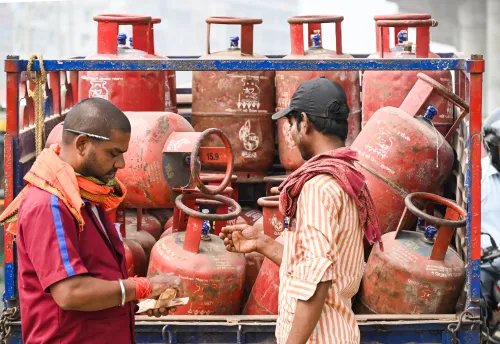
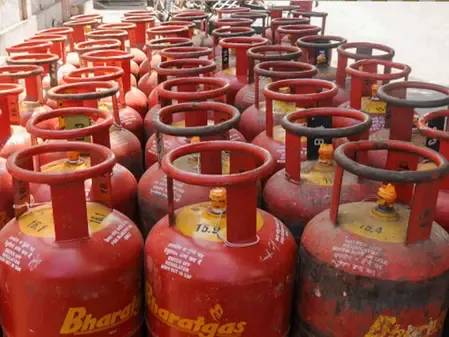
Long lines formed as individuals sought LPG cylinders, with officials indicating that one cylinder per authorized connection would be available in urban areas every 25 days, and in rural areas every 35 days.
Given the reliance on LPG for cooking in both urban and rural settings, the risk of a looming crisis in LPG supply is becoming increasingly apparent.
Reports of unscrupulous LPG vendors engaging in black market sales of cooking gas have emerged as authorities caution against buying or selling LPG illegally.
While officials regularly monitor the LPG supply situation in Jammu and Kashmir, they express concern that unless citizens cooperate by purchasing only what they need for daily use and refrain from stockpiling, the gap between demand and supply is likely to grow.
Point of View
It is crucial to emphasize that while panic buying can create artificial shortages, the authorities are well-prepared to handle the fuel demand in the Kashmir Valley. Citizens should heed official advice and avoid hoarding to ensure a smooth supply for all.
NationPress
24 Sept 2026
Frequently Asked Questions
Is there really a fuel shortage in Kashmir?
No, Indian Oil Corporation has confirmed there is no shortage of petroleum products in Jammu and Kashmir.
What should residents do to avoid panic buying?
Residents are advised to purchase only the fuel they need for daily use and not to stockpile.
How long will the current fuel supply last?
Authorities state that existing stocks can meet the demand for the next 20 days.
What actions are being taken to manage the crowds at fuel stations?
Police personnel are regulating the rush at petrol pumps, ensuring orderly buying.
Are there reports of black market LPG sales?
Yes, authorities have warned against illegal sales of LPG in the black market.