Bihar Police Alerts Authorities to Curb Fuel Hoarding Amid LPG Shortage Fears
Synopsis
As panic buying escalates in Bihar over potential LPG shortages, the Bihar Police has issued a crucial alert to prevent chaos and hoarding. Despite government reassurances of adequate supplies, anxiety among residents remains high. Will the government measures be enough to restore calm?
Key Takeaways
Bihar Police issues alert to prevent hoarding of LPG and fuel.
Government reassures adequate LPG supplies amid public panic.
Long queues reported at gas agencies across multiple districts.
Essential Commodities Act invoked to manage supply.
Allegations of black market sales of LPG cylinders persist.
Patna, March 11 (NationPress) In response to rising concerns over a potential shortage of LPG and petroleum products, the Bihar Police has taken action by issuing a warning aimed at curbing hoarding and chaos. Despite government assurances that LPG supplies are adequate, residents continue to feel anxious.
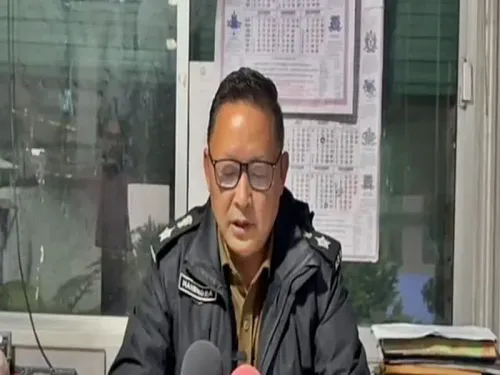
The Special Branch of the Bihar Police has circulated an alert instructing local authorities to enhance police visibility around petrol stations and LPG distributors to mitigate disorder and prevent hoarding.
This directive has been communicated to Divisional Commissioners, Range IGs/DIGs, District Magistrates, and district police leaders throughout the state.
The warning highlighted that escalating tensions in West Asia, particularly related to Iran and the United States, could disrupt the supply of petroleum products and incite panic buying.
Officials have been urged to stay alert against large gatherings, stockpiling, and illegal sales, ensuring that law and order is maintained at fuel distribution sites.
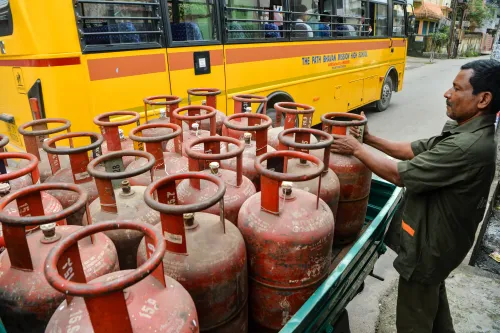
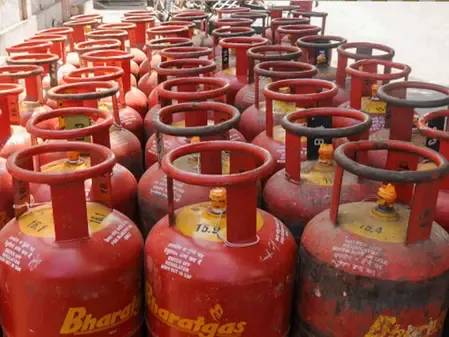
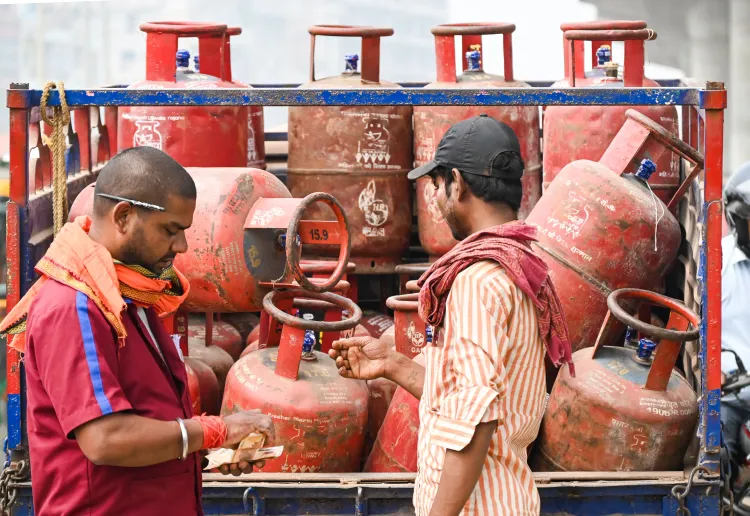
Bihar generally receives approximately 250,000 LPG cylinders per day, which includes both domestic and commercial supplies for homes, hotels, restaurants, schools, and hostels.
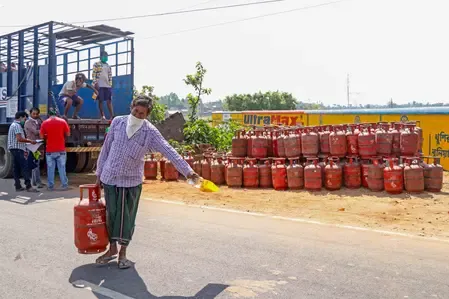
However, many gas agencies report that fresh supplies have not arrived in numerous regions for the last three days, leading to the distribution of only existing stock.
In various districts, the ordering of commercial LPG cylinders has been temporarily halted, while domestic customers experience lengthy waits for cylinder availability.
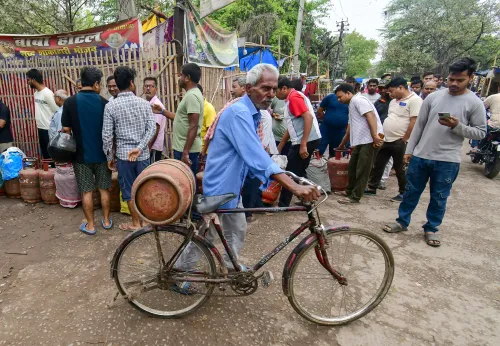
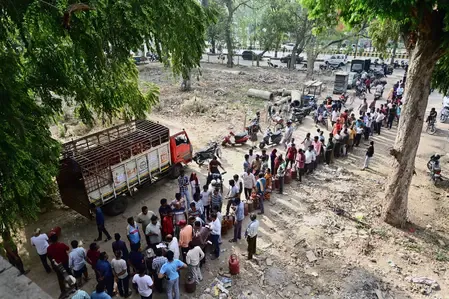
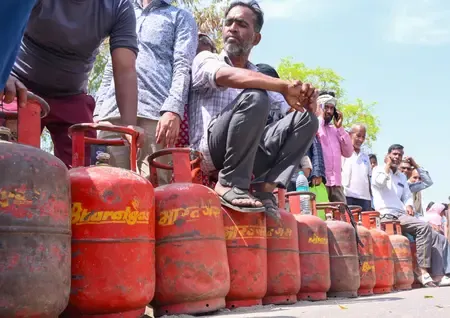
Long queues have been observed outside gas agencies in several districts, including Gopalganj, Bhojpur, Darbhanga, Araria, West Champaran, Purnea, Supaul, and others.
Consumers, including women and the elderly, have been seen waiting in line since early morning, with many leaving without a cylinder.
To address the situation, the government has invoked the Essential Commodities Act of 1955, empowering authorities to manage supply and prevent hoarding of critical items like fuel and food.
Under the current regulations, a second domestic cylinder can only be booked after a minimum of 25 days from the last delivery. Additionally, OTP or biometric verification is required during delivery, and oil refineries have been instructed to boost LPG production.
The Ministry of Petroleum and Natural Gas has established a high-level committee made up of executive directors from three state-owned oil companies to monitor supplies continuously.
Meanwhile, residents in the Koira block of Katihar district have reported that some gas agencies are discreetly selling cylinders at inflated prices.
Locals claim that while the standard LPG cylinder price is around Rs 1,012, some cylinders are allegedly being sold on the black market for as much as Rs 1,500–Rs 2,000.
Consumers assert that agencies often inform regular customers that they are out of stock while privately selling cylinders at inflated rates.
The anxiety surrounding supply disruptions has been exacerbated by rumors linked to geopolitical tensions in West Asia.
Many families are attempting to stockpile LPG cylinders, further aggravating the shortage.
With increasing reports of shortages and alleged black marketing, district administrations—especially in Katihar—are under pressure to take decisive action against hoarding and ensure equitable distribution.
Residents indicate that unless prompt action is taken by authorities, illegal trading and black market sales of LPG cylinders may persist, leaving ordinary consumers to suffer the consequences of the crisis.
Point of View
The Bihar Police's proactive measures are critical in restoring order and confidence among residents. A balanced approach is necessary to address both supply management and public concerns.
NationPress
2 Oct 2026
Frequently Asked Questions
What triggered the panic buying in Bihar?
Fears of a shortage of LPG and petroleum products led to panic buying across the state.
What measures has the Bihar Police taken?
The Bihar Police issued an alert to increase patrols around fuel stations and LPG agencies to prevent hoarding and chaos.
Are LPG supplies sufficient in Bihar?
Yes, the government asserts that LPG stocks are adequate, but public anxiety remains high.
What is the Essential Commodities Act?
It is a law that allows authorities to regulate supply and prevent hoarding of essential items like fuel.
What are residents reporting about gas agencies?
Residents are alleging that some agencies are selling cylinders at inflated prices on the black market.