Government Modifies Regulations to Accelerate Kerosene Distribution Amid Fuel Supply Crisis
Synopsis
In a strategic move, the government has relaxed rules governing kerosene distribution, responding to supply disruptions caused by the Iran war. This initiative aims to facilitate quicker access to cooking fuel across several states in India.
Key Takeaways
Regulations relaxed for quicker kerosene distribution.
Affected by disruptions due to the Iran conflict .
Focus on 21 states and Union Territories .
Temporary measures effective for 60 days .
Additional 48,000 kilolitres of kerosene allocated.
New Delhi, March 29 (NationPress) In response to the ongoing disruption in cooking fuel supplies due to the Iran conflict, the government has relaxed the petroleum safety and licensing regulations to expedite the distribution of kerosene to households.
The Ministry of Petroleum and Natural Gas announced that these new measures will facilitate the ad-hoc distribution of kerosene for cooking and lighting purposes in 21 states and Union Territories.
Public sector oil marketing companies, including Indian Oil, Bharat Petroleum, and Hindustan Petroleum, will now allow select petrol stations to store and dispense kerosene directly to households.
Each approved retail outlet is authorized to keep up to 5,000 litres of kerosene, with a maximum of two such stations designated per district.
This initiative specifically targets areas that were previously declared kerosene-free, including Delhi, Haryana, Uttar Pradesh, and Gujarat.
The temporary provisions are set to be in effect for 60 days to mitigate immediate supply challenges. Alongside petrol stations, kerosene will also be available through the traditional ration shop network, with a focus on prioritizing rural communities.
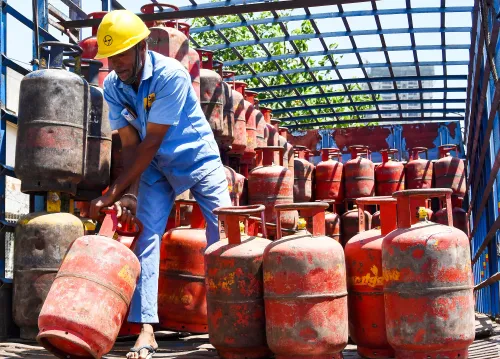
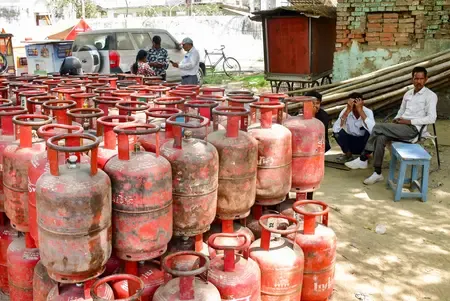
This action is a direct response to the global energy supply disruptions stemming from conflicts in West Asia, which have led to significant impacts on LNG supplies and raised concerns over potential LPG shortages.
To further support this initiative, the government has allocated an additional 48,000 kilolitres of kerosene to states beyond their usual supply.
Given the tightening of LNG supplies, kerosene is being reintroduced to ensure continuous availability for households, particularly for cooking and lighting needs.
The Ministry of Petroleum and Natural Gas has assured that despite the easing of regulations, safety and monitoring standards will remain intact to prevent any misuse of PDS kerosene for adulteration.
Additionally, alternative fuel options such as kerosene and coal have been introduced to alleviate the demand pressure on LPG.
The Ministry of Coal has also issued directives to Coal India and Singareni Collieries for increased coal allotments to states, ensuring distribution to small and medium consumers.
Furthermore, states have been advised to streamline the new PNG connections for both domestic and commercial users.
Point of View
Maintaining safety and monitoring standards is crucial to prevent misuse.
NationPress
3 Oct 2026
Frequently Asked Questions
What prompted the government to ease kerosene distribution rules?
The easing of rules is a response to disruptions in cooking fuel supplies caused by the ongoing conflict in Iran, which has affected global energy resources.
How long will the new kerosene distribution measures be in effect?
The temporary provisions for kerosene distribution are effective for 60 days.
Which areas are specifically targeted for kerosene distribution?
The initiative focuses on 21 states and Union Territories, including Delhi, Haryana, Uttar Pradesh, and Gujarat, particularly in regions that were previously 'kerosene-free'.
What are the safety measures in place for kerosene distribution?
Despite the relaxed regulations, the Ministry of Petroleum and Natural Gas has assured that safety and monitoring standards will remain in place to prevent any diversion of PDS kerosene.
What additional support has the government provided for kerosene supplies?
The government has allocated an additional 48,000 kilolitres of kerosene to states, beyond their regular supply, to support immediate distribution needs.