Gujarat Secures Emergency Kerosene Supply Amid Energy Concerns

Synopsis
In response to global energy supply threats, Gujarat has been allocated 1,452 KL of kerosene for 2025-26. This initiative aims to support vulnerable families and institutions in need, ensuring essential cooking and lighting resources are distributed effectively.
Key Takeaways
Allocation of 1,452 KL of kerosene to Gujarat for 2025-26.
Focus on cooking and lighting for vulnerable families.
Distribution supervised by local authorities .
Encouragement of energy conservation practices.
Immediate access to PNG connections for certain organizations.
Gandhinagar, March 13 (NationPress) The Central government has designated an ad-hoc supply of 1,452 kilolitres (KL) of kerosene to Gujarat for the 2025-26 fiscal year, addressing concerns over potential energy supply vulnerabilities stemming from the current global geopolitical climate.
This allocation is aimed primarily at cooking and lighting, with the state administration commencing the distribution of kerosene to Antyodaya and PHH families residing in tribal districts.
Each district is set to receive 36 KL, under the oversight of the Collector, who, in collaboration with the District Supply Officer, will ensure proper monitoring of the distribution process.
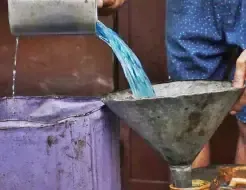
Families will be allotted five litres each, while institutions will get 25 litres from the district’s allocation.
Larger consignments of kerosene will be lifted based on the demand from each district.
The distribution process has been prioritized to guarantee that resources reach those in greatest need.
Beneficiaries include rural families, inhabitants of remote areas, school hostel children, institutions involved in the 'Mid-Day Meal Scheme', registered old-age homes, annakshetras (community kitchens), and various service organizations.
Workers in construction and industrial sectors that require kerosene for meal preparation, as well as social institutions that depend solely on LPG, are also part of this initiative.
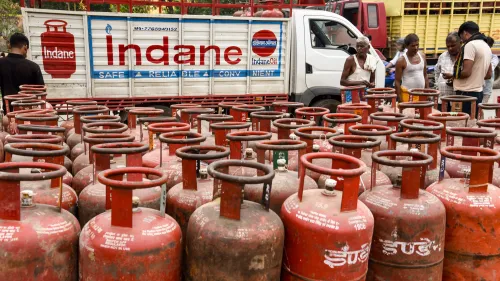
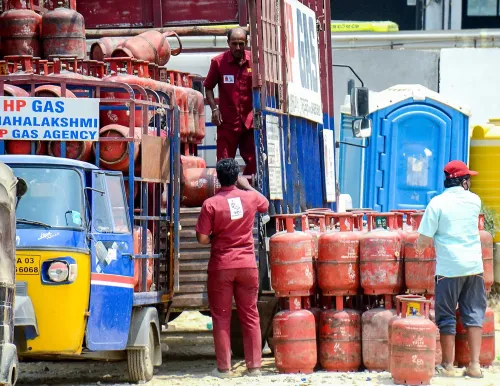
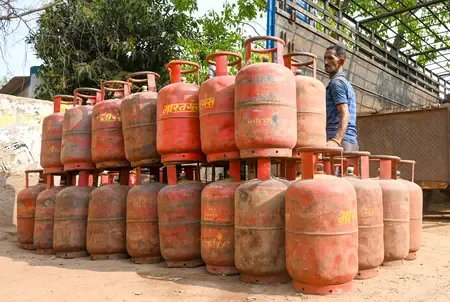
The state government has reassured citizens that sufficient stocks of petrol, diesel, and LPG are available.
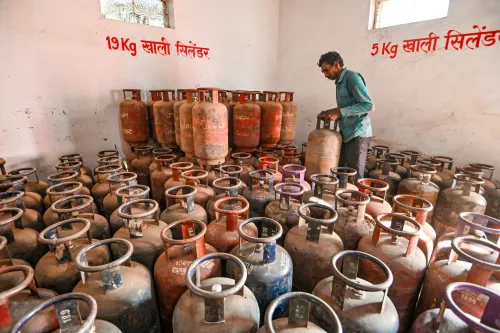
Guidelines have been established to maintain a 25-day gap between cylinder bookings in urban settings and 45 days in rural areas, to prevent unnecessary bookings and ease the load on online systems.
Households are encouraged to conserve cooking gas by utilizing pressure cookers, soaking and steaming vegetables, and exploring alternative energy sources such as solar cookers.
Energy conservation at home can also be enhanced by setting air conditioning temperatures at 25°C or higher.
The government has further urged the public to opt for public transport and shared travel whenever feasible to maximize conservation of petrol and diesel.
Earlier today, the state government announced that restaurants, hotels, educational institutions, and social-religious organizations located in areas equipped with existing city gas pipeline networks can now secure new PNG (piped natural gas) connections immediately upon request.
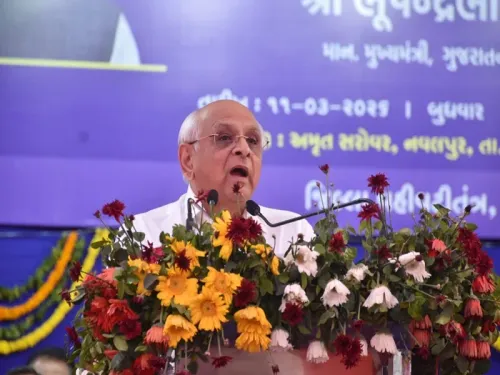
This decision was made during a high-level review meeting regarding the status of PNG and petroleum products in the state, chaired by Chief Minister Bhupendra Patel.
Point of View
I view this allocation as a proactive measure to address potential energy supply disruptions. The government's focus on vulnerable populations underscores a commitment to social welfare amid geopolitical uncertainties. Ensuring access to essential resources is paramount.
NationPress
7 Oct 2026
Frequently Asked Questions
What is the purpose of the kerosene allocation?
The kerosene allocation is intended for cooking and lighting, particularly for vulnerable families and institutions in Gujarat.
How much kerosene is being supplied to Gujarat?
Gujarat has been allocated an ad-hoc supply of 1,452 kilolitres (KL) of kerosene for the year 2025-26.
Who oversees the distribution of kerosene?
The distribution is supervised by the Collector and the District Supply Officer in each district.
How will the kerosene be distributed?
Each family will receive five litres, while institutions will receive 25 litres from the total district allocation.
What has the government advised regarding LPG usage?
The government has encouraged households to conserve LPG by utilizing pressure cookers and other efficient cooking methods.