Centre Increases Daily LPG Cylinder Quota for Migrant Workers
Synopsis
The Indian government has doubled the allocation of 5-kg LPG cylinders for migrant laborers, ensuring better access to essential fuel. This decision reflects efforts to support vulnerable communities during challenging times.
Key Takeaways
Daily allocation of LPG cylinders for migrant laborers doubled.
Distribution managed by state governments and OMCs.
Government prioritizes LPG and PNG supplies for essential sectors.
Encouragement of digital bookings to reduce physical visits.
No reported disruptions in LPG supply for migrant workers.
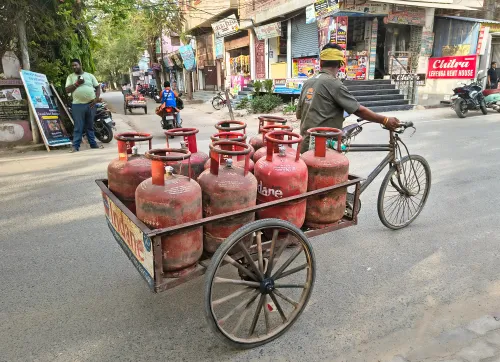
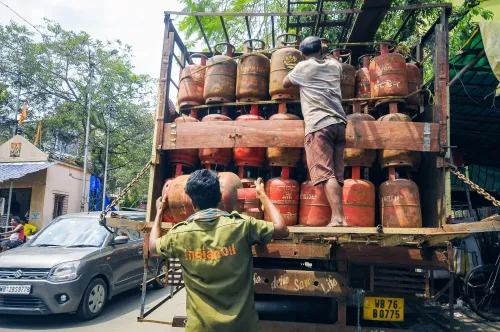
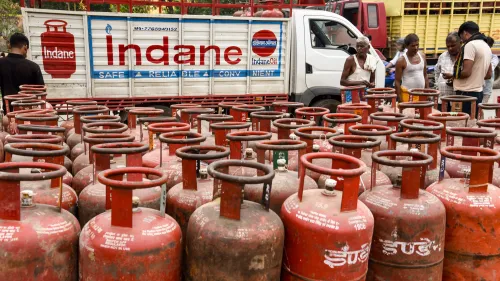
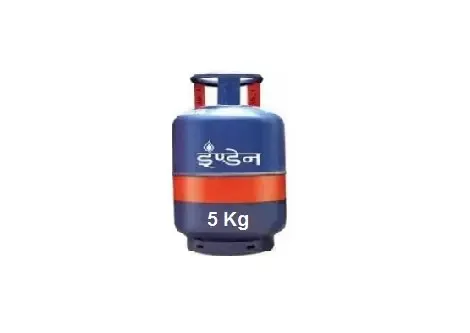
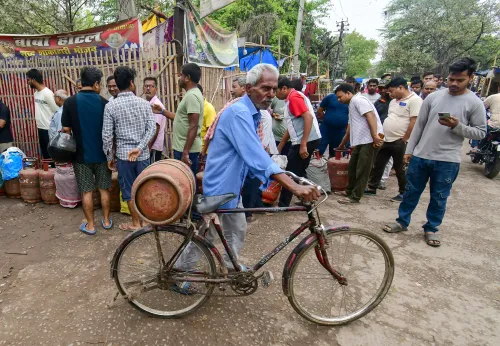
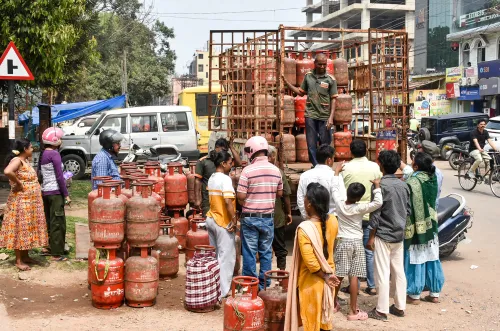
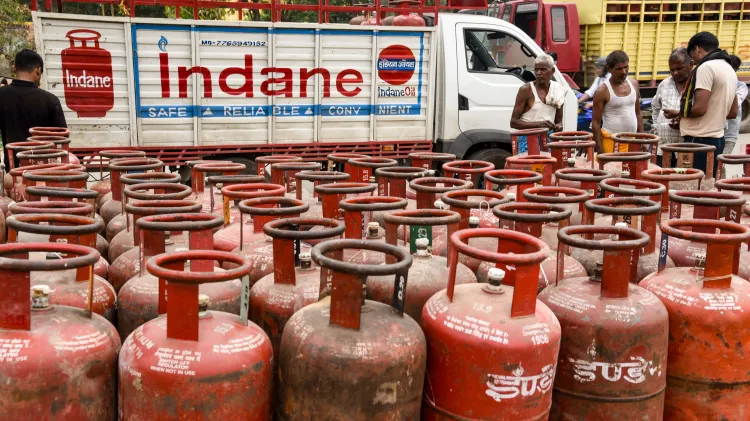
New Delhi, April 7 (NationPress) The central government has announced a significant increase in the daily distribution of 5-kg free trade LPG (FTL) cylinders for migrant workers across various states, as indicated by an official statement.
The Ministry of Petroleum noted in a recent notification that this increased allocation will be determined based on the average daily supply of cylinders supplied to migrant laborers.
This new allocation surpasses the previous limit of 20 percent established in a March announcement.
Additionally, the government confirmed that the extra 5-kg FTL cylinders will be made available to state governments and their Food and Civil Supplies Departments for exclusive distribution to migrant laborers, facilitated by oil marketing companies (OMCs).
Previously, the government had stated that it was taking extensive measures to ensure sufficient supplies of petrol, diesel, and LPG amid the current geopolitical climate, urging citizens to refrain from panic buying and to rely solely on official sources for information.
Consumers are also encouraged to utilize digital platforms for LPG bookings and to reduce visits to distributors unless absolutely necessary.
The government has prioritized the supply of domestic LPG and PNG, along with essential sectors such as hospitals and educational institutions.
Measures have been implemented on both demand and supply sides, including increased refinery output and extending LPG booking intervals to 25 days in urban areas and up to 45 days in rural regions.
To alleviate the demand on LPG, alternative fuels like kerosene and coal have been made accessible, and states have been encouraged to broaden PNG connections.
The government reassured that there has been no disruption in LPG supply affecting migrant workers.
According to official statistics, approximately 51 lakh domestic LPG cylinders were recently delivered, with online bookings reaching 95 percent and delivery authentication-based distribution significantly increasing to prevent diversion.
Frequently Asked Questions
What is the new allocation for LPG cylinders?
The government has doubled the daily allocation of 5-kg LPG cylinders for migrant workers across states.
Who will distribute the additional LPG cylinders?
The additional cylinders will be distributed by state governments and their Food and Civil Supplies Departments, with support from oil marketing companies.
What measures are being taken to ensure LPG availability?
The government is enhancing refinery output, extending booking intervals, and promoting alternative fuels to ensure adequate LPG supply.
How are consumers encouraged to book LPG?
Consumers are encouraged to use digital modes for LPG bookings to minimize on-site visits to distributors.
Is there any disruption in LPG supply for migrant workers?
The government has assured that there has been no disruption in LPG supply affecting migrant workers.