Delhi Government Boosts LPG Supply Amid Hoarding Crackdown

Synopsis
The Delhi government has ramped up its commercial LPG cylinder allocation from 1,800 to 4,500 daily, with 70 teams tackling hoarding and black marketing. This initiative is essential for maintaining supply across critical sectors.
Key Takeaways
Increased LPG allocation: From 1,800 to 4,500 cylinders daily.
70 teams: Actively combating hoarding and black marketing.
Priority sectors: Include essential services and migrant workers.
Legal actions: Against those found hoarding under the Essential Commodities Act.
Commitment: To ensure uninterrupted LPG supply for all sectors.
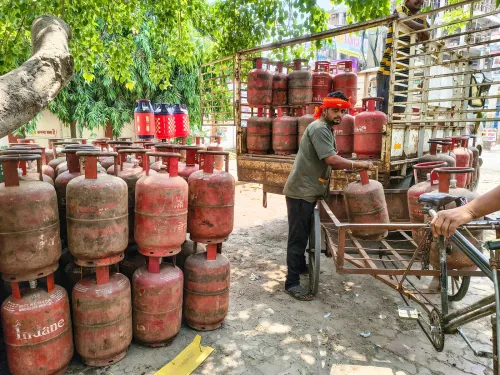
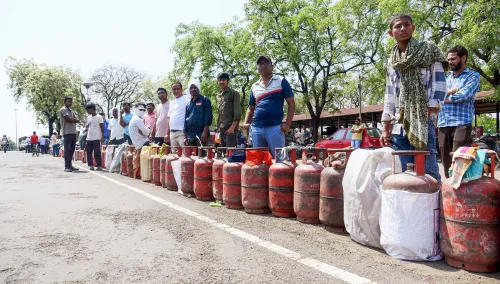
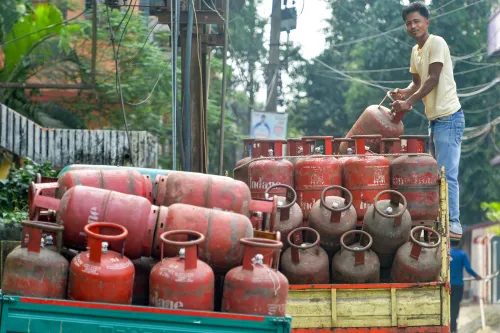
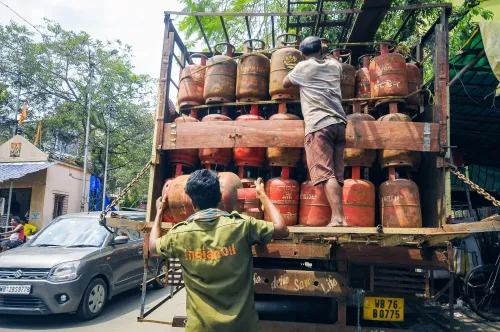
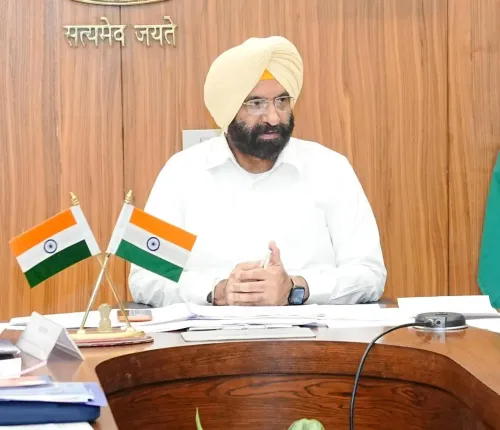
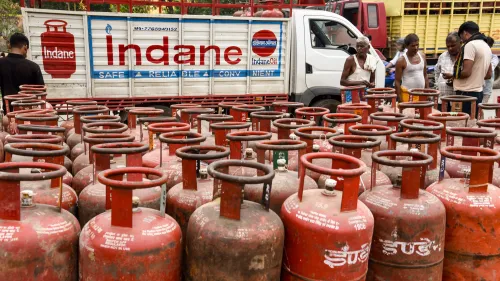
New Delhi, March 26 (NationPress) In response to instructions from the Ministry of Petroleum and Natural Gas, the government of Delhi has significantly increased the allocation of commercial LPG cylinders in the National Capital Territory from 1,800 to 4,500 cylinders (19 kg equivalent) daily, as announced by Minister for Food & Supplies Manjinder Singh Sirsa on Thursday. He noted that 70 teams are actively working against hoarding practices.
This increased supply, effective immediately, aims to support vital sectors including essential services, hotels, industries, and migrant laborers, thereby building on prior strategies to ensure demand is met without interruption, he explained.
“We express our gratitude to the visionary leadership of PM Narendra Modi Ji for this timely enhancement of 50 percent in allocation. Thanks to his proactive assistance, residents of Delhi will not encounter any challenges in the supply of commercial LPG,” the Minister remarked.
The updated approach categorizes commercial LPG distribution into seven priority groups with designated daily quotas from the total of 4,500 cylinders (19 kg equivalent): Category 1 (Essential Services such as educational and health institutions, bus stands, railways, and airports) receives 225 cylinders (5 percent); Category 2 (Government Institutions, PSUs, industrial canteens, community kitchens) also gets 225 cylinders (5 percent); Category 3 (Hotels, restaurants, dhabas, food processing, dairies) is allocated the largest share of 3,375 cylinders (75 percent); Category 4 (Caterers and banquets) receives 225 cylinders (5 percent); Category 5 (Industrial units like dry-cleaning, packing, pharma) is assigned 45 cylinders (1 percent); Category 6 (Sports facilities and stadiums) receives 225 cylinders (5 percent); and Category 7 (Migrant Laborers with 5 kg cylinders) is allocated 684 cylinders equivalent (4 percent) as a protected social allocation.
Supply adheres to central guidelines and is based on average consumption over the last three months, prioritizing critical users.
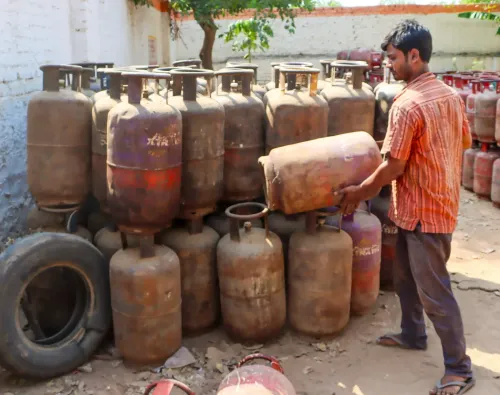
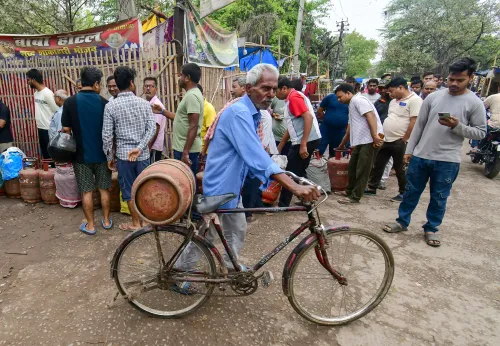
In order to combat hoarding and black marketing, 70 joint teams from the Weights & Measures and Food Supplies Departments are conducting inspections throughout the state. Individuals found guilty of these practices will face strict penalties under the Essential Commodities Act, 1955, LPG Distribution Order, 2000, and Bharatiya Nyaya Sanhita, 2024.
“The situation is entirely under control. Supplies are regular and flowing smoothly through OMCs. I urge the people of Delhi to refrain from believing or disseminating unfounded rumors,” Sirsa assured.
“Our department is consistently coordinating with suppliers and IGL, which provides weekly updates on PNG progress. Consumers will not encounter any issues. Central guidelines are being followed rigorously to ensure fairness and transparency,” he stated.
Sirsa emphasized, “Under CM Rekha Gupta’s leadership, the Delhi government is dedicated to ensuring uninterrupted commercial LPG supply. We are committed to serving every sector reliably, from essential services to migrant workers and commercial establishments.”
Frequently Asked Questions
What is the new allocation of LPG cylinders in Delhi?
The new allocation of commercial LPG cylinders in Delhi has increased from 1,800 to 4,500 per day.
How many teams are working against hoarding?
A total of 70 teams are actively working to combat hoarding and black marketing of LPG.
Which sectors are prioritized in the LPG allocation?
Critical sectors prioritized include essential services, hotels, industries, and migrant laborers.
What actions are being taken against hoarders?
Individuals found hoarding LPG will face strict action under relevant laws, including the Essential Commodities Act.
Who is leading the initiative?
The initiative is being led by the Minister for Food & Supplies, Manjinder Singh Sirsa, under the guidance of CM Rekha Gupta.