LPG Supply Normal: 17.83 Lakh Small Cylinders Sold in April
Synopsis
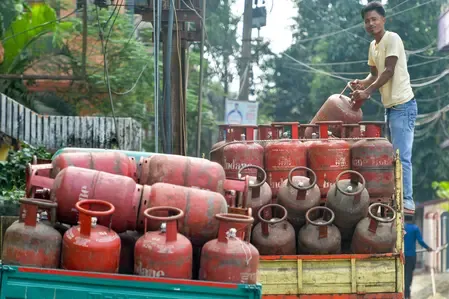
India's Petroleum Ministry reports 17.83 lakh small 5 kg LPG cylinders sold in April 2025 with zero dry-outs at distributors. Over 1.5 lakh anti-hoarding raids, 255 arrests, and 70 distributorships suspended — even as Strait of Hormuz concerns push refineries to maximum capacity.
Key Takeaways
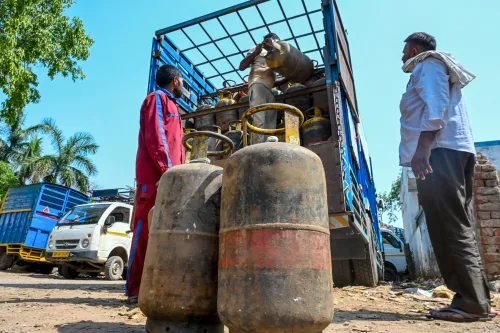
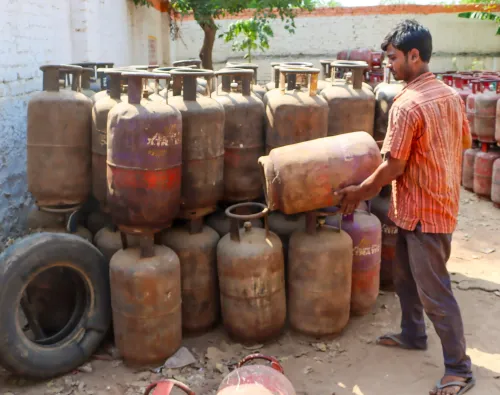
17.83 lakh small 5 kg LPG cylinders have been sold across India in April 2025 , with over 81,000 units sold in a single day .
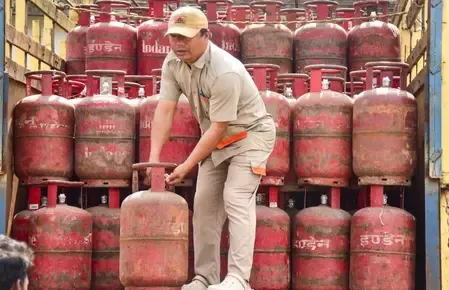
The Ministry of Petroleum and Natural Gas confirmed zero dry-outs at any retail LPG distributorship nationwide.
More than 1.5 lakh anti-hoarding raids have been conducted, resulting in 66,000+ cylinder seizures and 255 arrests .
70 LPG distributorships suspended and 298 penalised by public sector oil companies for violations.
Online LPG bookings reached 98% and OTP-based authenticated deliveries hit 94% to prevent diversion.
Total PNG connections stand at 7.87 lakh , with 42,000+ consumers surrendering LPG connections via MYPNGD.in.
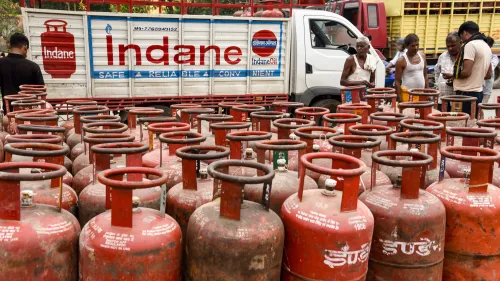
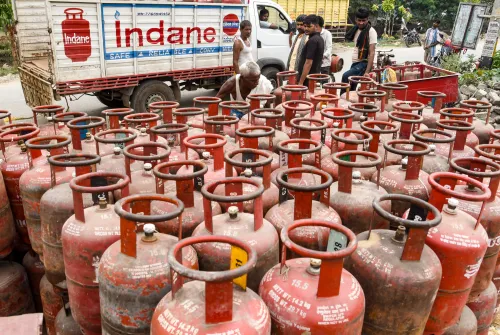
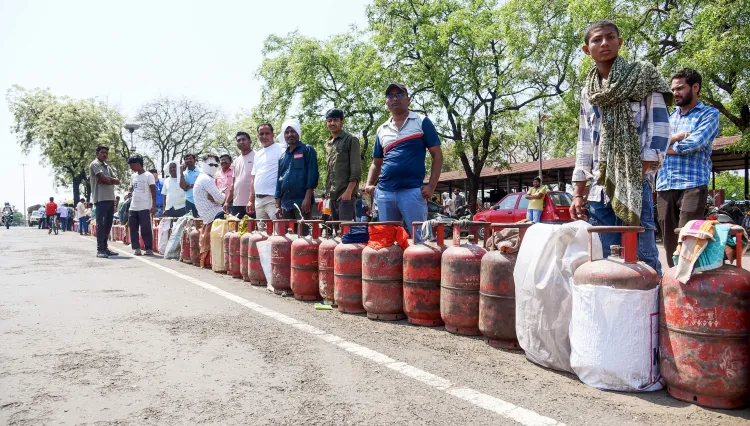
The Ministry of Petroleum and Natural Gas confirmed on Friday, April 25 that domestic LPG supply across India remains fully stable, with 17.83 lakh small 5 kg cylinders sold during April 2025 — including over 81,000 units sold in a single day. The ministry stated that no dry-outs have been reported at any retail distributorship nationwide, signalling a steady supply chain despite global geopolitical pressures.
LPG Supply Status and Small Cylinder Distribution
The 5 kg LPG cylinders are primarily used by migrant workers in urban areas for daily cooking needs — a demographic that is particularly vulnerable to supply disruptions. Their steady availability is considered a key indicator of grassroots energy security.
The government has prioritised the supply of cooking gas to domestic households even as the overall LPG import pipeline faces pressure due to the geopolitical situation surrounding the Strait of Hormuz. India imports a significant portion of its LPG requirements, making global shipping routes critically important.
PNG Connections and Digital Booking Surge
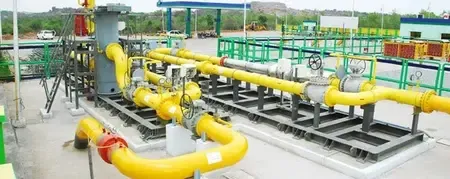
On the Piped Natural Gas (PNG) front, 5.27 lakh connections have been successfully gasified, with infrastructure ready for an additional 2.60 lakh connections, taking the cumulative total to 7.87 lakh PNG connections. A further 5.97 lakh customers have registered for new connections.
Notably, more than 42,000 PNG consumers have voluntarily surrendered their LPG connections through the MYPNGD.in portal, reflecting a gradual but meaningful shift toward piped gas infrastructure in urban India.
Digital adoption in LPG booking has reached a record high, with online domestic cylinder bookings touching 98 per cent. Additionally, authentication code-based deliveries — sent to the registered mobile number of the consumer — have risen to approximately 94 per cent, a mechanism specifically designed to prevent diversion at the distributor level.
Commercial LPG Sales and Enforcement Actions
On the commercial side, over 8,483 metric tonnes (MT) of commercial LPG — equivalent to more than 4.46 lakh 19 kg cylinders — was sold on a single day this week. The cumulative commercial LPG sold in April 2025 has reached 1,40,362 MT, equivalent to over 73.87 lakh 19 kg cylinders.
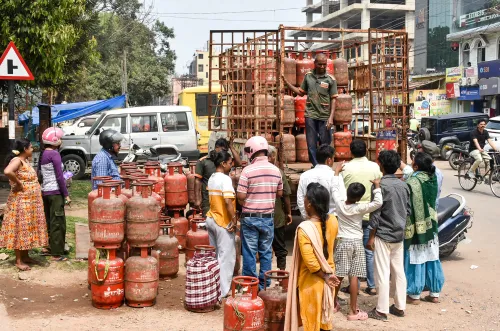
Enforcement operations against hoarding and black marketing of LPG have intensified significantly. Cumulatively, more than 1.5 lakh raids have been conducted across the country, resulting in the seizure of over 66,000 cylinders.
Law enforcement agencies have registered more than 1,100 First Information Reports (FIRs), and 255 persons have been arrested in connection with LPG-related offences. Public sector oil companies have imposed penalties on 298 LPG distributorships and suspended 70 distributorships for violations.
Refinery Operations and Crude Inventory
All Indian refineries are currently operating at high capacity with adequate crude oil inventories in reserve. Local LPG production from domestic refineries has been ramped up to offset import-side pressures and support household consumption.
Sufficient stocks of both petrol and diesel are being maintained across the country. The ministry has urged citizens to avoid panic buying of petroleum products and to rely on official government sources for accurate information rather than unverified rumours circulating on social media.
What Citizens Should Know
The government has specifically requested LPG consumers to use digital booking platforms instead of visiting distributors in person — both to reduce crowding and to ensure authenticated, traceable deliveries. This advisory is particularly relevant in the context of the ongoing Strait of Hormuz closure concerns, which have triggered anxiety among consumers.
This comes amid a broader pattern of the Indian government strengthening its domestic energy resilience — from expanding the PMUY (Pradhan Mantri Ujjwala Yojana) beneficiary base to accelerating PNG infrastructure rollout in Tier-2 and Tier-3 cities. The sharp rise in anti-hoarding raids also signals that authorities are treating supply chain integrity as a national security priority during this period.
As India navigates a volatile global energy landscape, the coming weeks will be critical in determining whether domestic production increases and PNG expansion can sufficiently buffer the country against prolonged import disruptions.
Point of View
And the acceleration of PNG infrastructure and domestic refinery output is a long-overdue hedge. The real question is whether this crisis moment will finally accelerate India's transition away from imported LPG toward a more self-sufficient cooking fuel ecosystem.
NationPress
19 Sept 2026
Frequently Asked Questions
Is LPG supply normal in India in April 2025?
Yes, the Ministry of Petroleum and Natural Gas confirmed that LPG supply across India is normal as of April 2025, with no dry-outs reported at any retail distributorship. Over 17.83 lakh small 5 kg cylinders have been sold this month.
How many LPG raids have been conducted in India in 2025?
More than 1.5 lakh raids have been conducted across India to curb LPG hoarding and black marketing. Over 66,000 cylinders have been seized, 1,100+ FIRs registered, and 255 persons arrested.
What is the impact of the Strait of Hormuz closure on India's LPG supply?
The Strait of Hormuz situation has put pressure on overall LPG imports to India, but the government has prioritised domestic household supply and ramped up local refinery production. Citizens have been advised not to panic buy.
How can I book an LPG cylinder online in India?
Consumers can book LPG cylinders through official digital platforms of oil marketing companies. Online bookings have reached 98% of total transactions, and deliveries are authenticated via OTP sent to the registered mobile number.
What is the status of PNG connections in India in 2025?
As of April 2025, 5.27 lakh PNG connections have been gasified and infrastructure for 2.60 lakh more is ready, taking the total to 7.87 lakh connections. Over 42,000 consumers have surrendered LPG connections after switching to PNG.