Has the dengue death toll in Bangladesh surpassed 300 with 10 new fatalities?
Synopsis
The dengue crisis in Bangladesh has reached alarming levels with over 300 deaths reported in 2025. The latest updates reveal a startling increase in fatalities, highlighting the urgent need for awareness and preventive measures.
Key Takeaways
Dengue cases in Bangladesh have significantly increased in 2025.
Over 300 deaths have been reported due to the outbreak.
Efforts must focus on mosquito control and public awareness.
Early detection and treatment are crucial to reducing fatalities.
Government and public cooperation is essential to combat the crisis.
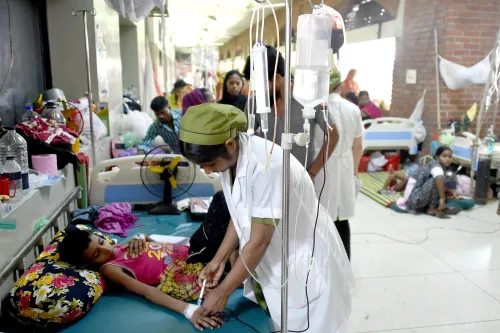
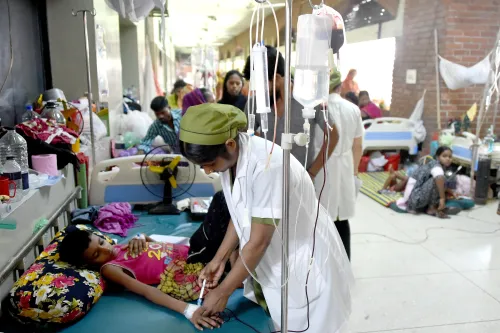
Dhaka, Nov 5 (NationPress) The dengue outbreak in Bangladesh is escalating alarmingly, with both infections and fatalities increasing significantly nationwide. Over the past 24 hours, 10 individuals lost their lives due to dengue, bringing the total death toll from this mosquito-borne illness in Bangladesh for the year 2025 to 302, as reported by local media.
This incident marks the second-highest single-day increase in deaths for 2025. The Directorate General of Health Services (DGHS) reported that five new deaths occurred in Dhaka South City Corporation (DSCC), three in Dhaka North City Corporation (DNCC), and one each in the Barishal and Khulna divisions, according to the United News of Bangladesh (UNB).
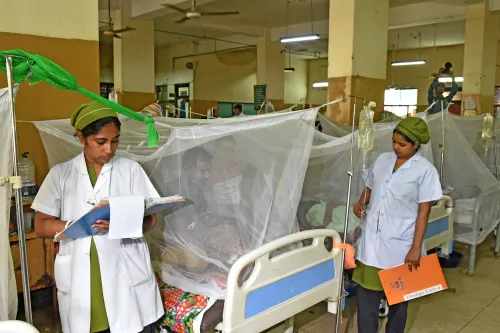
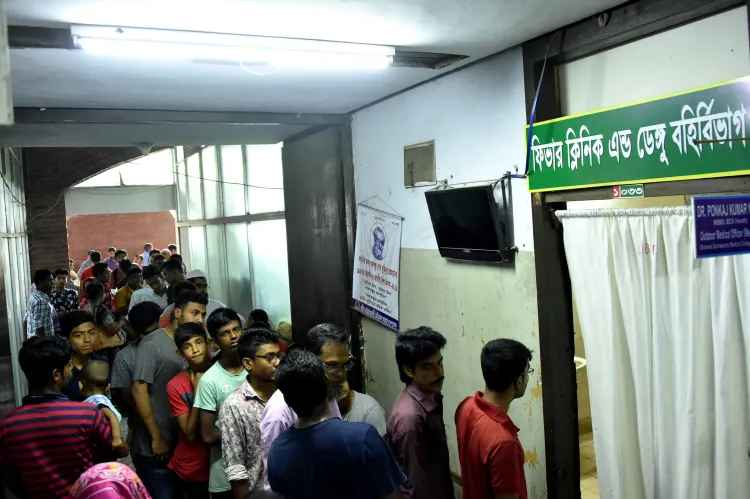
During this period, 1,069 additional patients were admitted to hospitals with viral fever, increasing the total number of cases in 2025 to 74,992. Currently, 1,140 patients are receiving treatment in Dhaka, while 3,203 patients are being treated at various hospitals across Bangladesh.
Among this year's patients, 62.2% are men, while 37.8% are women, as per the report. Among those who succumbed to the illness in 2025, 53.3% were male and 46.7% were female.
A total of 575 people died from dengue in Bangladesh in 2024.
On October 9, DGHS Director General Abu Jafor indicated that the number of dengue cases in 2025 is higher than the previous year; however, the death rate is lower.
During a press briefing regarding the ‘Typhoid Vaccination Campaign-2025’ at the Health Ministry, Abu Jafor stated: "This year, the number of dengue infections is higher than last year, but the death rate in proportion to infections is lower," as reported by UNB.
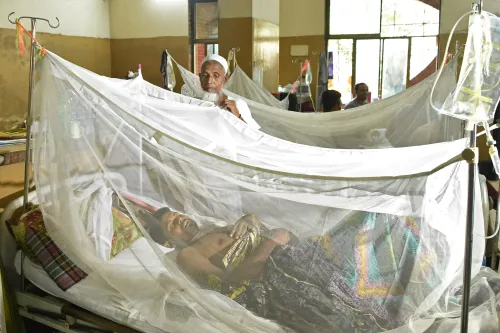
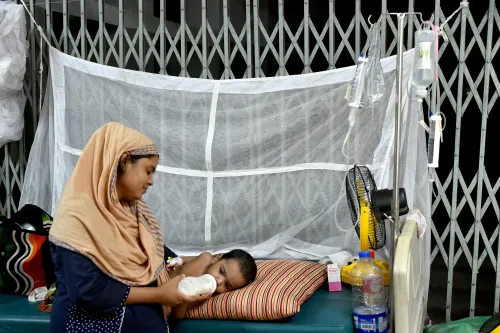
He emphasized the importance of controlling mosquito breeding and eliminating their larvae to prevent dengue. "It is crucial for individuals to use mosquito nets and adopt protective measures. These responsibilities lie primarily with the public. If neglected, eradicating dengue will be exceedingly challenging," he warned.
He further noted, "Our data indicates that more than 50% of dengue-related deaths in hospitals occur on the very first day of admission. This implies that patients are seeking care too late. We are striving to ensure effective management in hospitals."
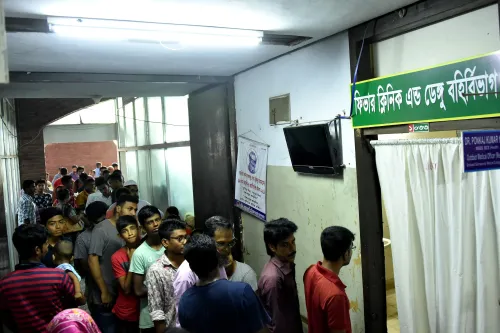
Abu Jafor asserted that early diagnosis is vital and mentioned that dengue, if detected early, can be treated at home with appropriate medical care. He highlighted a lack of awareness, negligence, and delays in seeking medical care as key factors contributing to the rising dengue death toll.
Dengue is a viral infection caused by the dengue virus (DENV), which is transmitted to humans via the bites of infected mosquitoes. Found predominantly in tropical and sub-tropical regions worldwide, especially in urban and semi-urban areas, prevention and control of dengue rely heavily on vector control measures. While there is no specific treatment for dengue, early detection and access to proper medical care can significantly reduce the fatality rates associated with severe dengue.
Point of View
It is imperative to emphasize the urgent need for public awareness and proactive measures in combating the escalating dengue crisis in Bangladesh. The rising death toll and infection rates warrant significant attention from both the government and the public. Together, we must prioritize health education and the implementation of preventive strategies to mitigate this ongoing health emergency.
NationPress
26 Sept 2026
Frequently Asked Questions
What is the current dengue death toll in Bangladesh for 2025?
As of now, the dengue death toll in Bangladesh for the year 2025 has reached 302.
How many new deaths were reported recently?
Recently, there were 10 new deaths reported due to dengue within a 24-hour period.
What measures can be taken to prevent dengue?
Preventive measures include using mosquito nets, eliminating standing water, and seeking early medical care.
What is the profile of dengue patients this year?
This year, 62.2% of dengue patients are men, while 37.8% are women.
What is the importance of early diagnosis in dengue treatment?
Early diagnosis is critical as it allows for timely treatment, potentially reducing the severity and fatality of the disease.