DRC's Tshisekedi warns 2028 elections may not happen if eastern war persists
Synopsis
DRC President Felix Tshisekedi has put the country's 2028 presidential elections in doubt, warning that M23's grip on North and South Kivu makes organising a credible national vote impossible without first ending the war. The statement raises serious constitutional questions about democratic continuity in one of Africa's largest and most resource-rich nations.
Key Takeaways
DRC President Felix Tshisekedi warned on 7 May 2025 that the 2028 presidential elections may not be held if the eastern conflict continues.
The M23 rebel group has seized large parts of North Kivu and South Kivu since January 2025 , complicating any electoral planning.
Tshisekedi said the DRC would not hold elections without the participation of the conflict-affected eastern provinces.
His second term is constitutionally due to end in 2028 , with elections mandated for December 2028 .
The government has increased defence spending and military reforms while also calling for diplomatic talks to end decades of conflict.
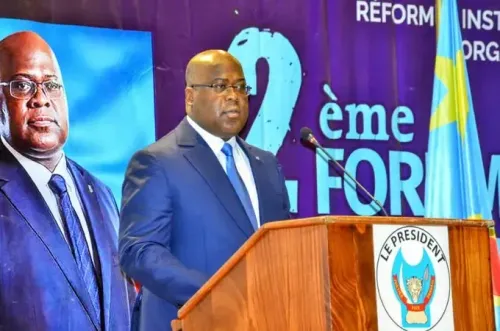
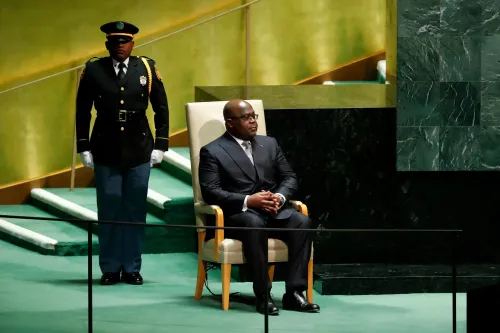
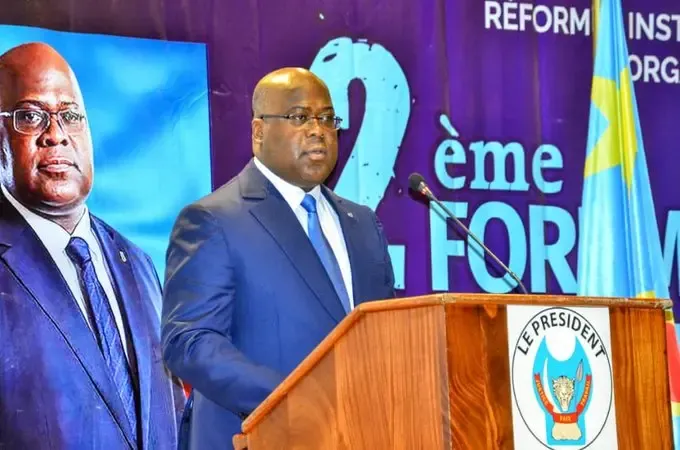
Democratic Republic of the Congo (DRC) President Felix Tshisekedi has warned that the country may not be able to hold its scheduled 2028 presidential elections if the ongoing conflict in the country's east continues, placing national security squarely at the centre of his government's political agenda. The warning was delivered at a press conference in Kinshasa on 7 May 2025.
What Tshisekedi Said
Tshisekedi described the conflict as an "aggression war" aimed at destabilising state institutions, looting natural resources, and undermining national sovereignty. He stressed that restoring security, rebuilding the army, and reasserting state authority in the east remain his government's foremost priorities.
"If we cannot end this war, unfortunately, we will not be able to organise elections in 2028," Tshisekedi said, adding that any potential delay would not reflect a personal refusal to hold the vote.
He further stated that the DRC would not organise elections without the participation of North Kivu and South Kivu provinces — two regions where large swathes of territory have been seized by the March 23 Movement (M23) rebel group.
The M23 Conflict and Its Escalation
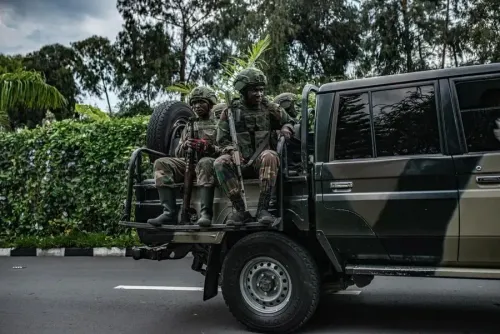
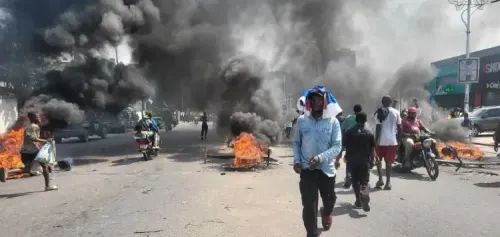
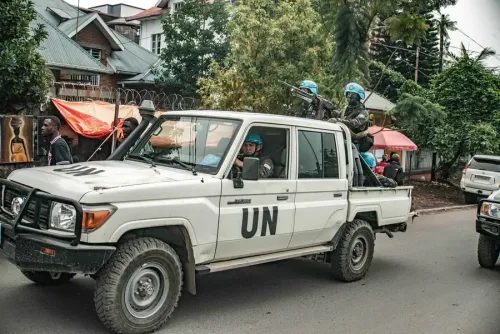
Security conditions in eastern DRC have deteriorated sharply since January 2025, according to reports. The M23 rebel group has launched sustained offensives across North Kivu and South Kivu, seizing several key cities in the process. The conflict, which has roots stretching back decades, has displaced millions and drained state resources.
This is not the first time eastern DRC's instability has cast a shadow over the country's democratic processes. The region's persistent insecurity has historically complicated voter registration, logistics, and the safety of electoral personnel.
Tshisekedi's Political Timeline
Tshisekedi first assumed office in 2019 and secured re-election in late 2023. Under Congo's current constitution, his second term is due to conclude in 2028, with presidential elections constitutionally mandated for December 2028, according to Xinhua news agency. Any delay would raise significant constitutional questions about the continuity of democratic governance in the country.
Military Reforms and Diplomatic Track
On the military front, Tshisekedi acknowledged that the armed forces he inherited had been weakened by years of disorganisation, inadequate equipment, and infiltration. His government has since increased resources for the defence sector and continued structural reforms to strengthen the military's operational capacity.
Despite the military push, Tshisekedi maintained that talks remain necessary to resolve a conflict that has persisted for decades. He said any sustainable settlement must ensure the cessation of external support for armed groups and the full restoration of state authority across the country's territory. Whether diplomatic efforts can advance fast enough to secure the 2028 electoral timeline remains deeply uncertain.
Point of View
Not his own, is politically convenient but also plausible given M23's territorial gains. What mainstream coverage underplays is the precedent risk: if eastern insecurity becomes a standing justification for electoral postponement, it creates a template that could outlast this conflict. The DRC has a long history of elections delayed, disputed, or manipulated — 2028 is now firmly in that shadow.
NationPress
21 Sept 2026
Frequently Asked Questions
Why might the DRC not hold elections in 2028?
DRC President Felix Tshisekedi has warned that elections may not be possible in 2028 if the ongoing M23 rebel conflict in eastern Congo is not resolved. He stated the country would not organise elections without the participation of North Kivu and South Kivu provinces, which are partially under rebel control.
Who is the M23 rebel group?
The March 23 Movement (M23) is a rebel group that has been active in eastern DRC, particularly in North Kivu and South Kivu provinces. It has launched sustained offensives since January 2025, seizing several key cities and significantly worsening the security situation in the region.
When is Felix Tshisekedi's term set to end?
Under Congo's current constitution, President Tshisekedi's second term is due to end in 2028, with presidential elections constitutionally scheduled for December 2028. He first took office in 2019 and won re-election in late 2023.
What is the DRC government doing to address the conflict?
The government has increased resources for the defence sector and is pursuing military reforms to rebuild the armed forces. Tshisekedi has also called for diplomatic talks, saying any settlement must end external support for armed groups and restore full state authority in the east.
What are the implications of delaying the 2028 elections?
A delay would raise serious constitutional questions about democratic continuity in the DRC. It could also set a precedent for using ongoing insecurity as justification for postponing elections, a concern given the country's history of disputed and delayed electoral processes.