Eight dead in Hubei storms; 33 buried in Gansu landslide

Synopsis
Three simultaneous weather disasters have struck China: storms killed eight in Hubei and injured 275 more; a landslide buried 33 in Gansu with rescues ongoing; and Typhoon Maysak flooded Nanning, displacing 48,000 and prompting Beijing to raise Guangxi's flood alert to Level II — its second-highest emergency tier.
Key Takeaways
Eight people were killed and one person remained missing after severe convective storms hit eastern Hubei Province on Monday evening, 7 July .
275 people were injured and 408 residents evacuated across three communities in Huanggang City's Huangzhou District .
A landslide in Nanhe Township, Tanchang County, Gansu buried 33 people ; 17 have been rescued so far.
Typhoon Maysak killed two people and affected 55,000 in Nanning, Guangxi ; 48,000 were evacuated.
China's Ministry of Water Resources upgraded Guangxi's flood-control response from Level III to Level II .
Water levels at 59 rivers in Guangxi exceeded warning levels as of 8 p.m.
At least eight people were killed and one person remained missing after severe convective weather swept through the eastern part of central China's Hubei Province on Monday evening, according to the province's emergency management authorities. The storms struck multiple cities within hours, injuring 275 people and forcing mass evacuations across affected communities.
Storms Batter Hubei's Eastern Cities
Thunderstorms and strong winds tore through Huangshi, Huanggang, Ezhou, and Xianning between 7 p.m. and 11 p.m. on Monday, with two townships recording gales reaching level 13 in intensity. Some areas also reported tornadoes, according to local authorities.
Three communities in Huanggang City's Huangzhou District were among the worst affected. By 5 a.m. Tuesday, the storms had injured 275 people across those three communities alone. Subdistrict and community authorities evacuated a total of 408 residents to safe locations. Rescue and relief operations remain underway.
Landslide in Gansu Leaves 33 Buried
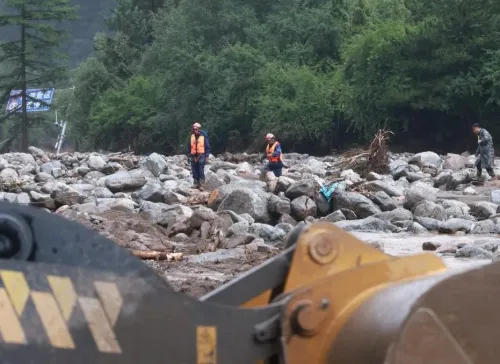
Separately, a landslide struck a village in Nanhe Township, Tanchang County, Longnan City, in northwest China's Gansu Province at approximately 6:56 a.m. on Tuesday. A total of 33 people are believed to be buried under debris, according to local authorities. Of those, 17 have been rescued so far. All-out search and rescue operations are ongoing.
Typhoon Maysak Floods Nanning, Guangxi
The disasters come as Typhoon Maysak brought torrential rains to most parts of Nanning City in Guangxi between 8 a.m. Saturday and 11 a.m. Monday. The deluge killed two people and affected approximately 55,000 others, triggering flooding and breaches at several reservoirs. A total of 48,000 people were evacuated from affected areas.
Water levels at 59 rivers in Guangxi exceeded warning thresholds by 8 p.m. Monday. Huang Lu, deputy head of the municipal emergency management bureau, said floodwaters in affected areas showed signs of receding as of that time. Early warning and evacuation measures have been put in place for villages at risk of further flooding.
Beijing Raises Flood Alert for Guangxi
China's Ministry of Water Resources on Monday upgraded the flood-control emergency response for Guangxi from Level III to Level II — the second-highest tier — reflecting the scale of the crisis. This escalation signals a significant mobilisation of central government resources and underscores the severity of the ongoing weather emergency across multiple provinces simultaneously.
As rescue teams work across Hubei, Gansu, and Guangxi, authorities are monitoring further weather developments that could compound the humanitarian toll in the coming days.
Point of View
Across provinces separated by hundreds of kilometres. The convergence of severe convective storms in Hubei, a landslide in Gansu, and Typhoon Maysak flooding in Guangxi within a 24-hour window tests the limits of even a centralised emergency management system. Beijing's decision to raise Guangxi's flood alert to Level II is significant, but the Gansu landslide — with 16 people still unaccounted for — may prove the deadliest episode once rescue operations conclude. China's recurring summer disaster cycle, intensified by climate patterns, demands scrutiny of whether early-warning infrastructure is keeping pace with the scale of risk.
NationPress
7 Jul 2026
Frequently Asked Questions
How many people died in the Hubei thunderstorms on 7 July?
Eight people were killed and one person remained missing after severe thunderstorms and gales struck eastern Hubei Province between 7 p.m. and 11 p.m. on Monday, 7 July, according to the province's emergency management authorities. A further 275 people were injured.
What happened in the Gansu landslide?
A landslide struck a village in Nanhe Township, Tanchang County, Longnan City, Gansu Province at around 6:56 a.m. on Tuesday. A total of 33 people are believed to be buried, with 17 rescued so far and search operations ongoing.
What damage did Typhoon Maysak cause in Nanning?
Typhoon Maysak brought torrential rains to Nanning, Guangxi between Saturday and Monday, killing two people, affecting approximately 55,000 others, and prompting the evacuation of 48,000 residents. Several reservoirs were breached and water levels at 59 rivers exceeded warning thresholds.
Why did China upgrade Guangxi's flood emergency to Level II?
China's Ministry of Water Resources raised the flood-control emergency response for Guangxi from Level III to Level II on Monday, reflecting the severity of flooding caused by Typhoon Maysak. Level II is the second-highest tier and signals large-scale central government mobilisation for disaster response.
Are floodwaters in Nanning receding?
According to Huang Lu, deputy head of Nanning's municipal emergency management bureau, floodwaters in affected areas showed signs of receding as of 8 p.m. on Monday. Early warning and evacuation measures remain in place for villages still at risk of further flooding.