EU adopts METSAF to shield key sectors from Middle East crisis energy surge
Synopsis
The EU has activated a sweeping emergency aid framework — only its second in three years — as the Middle East conflict drives Europe's fossil fuel import bill up by €27 billion in just 60 days. With comparisons to the 1973 oil shock and 2022 energy crisis, METSAF signals Brussels is bracing for a prolonged, structural energy disruption, not a temporary blip.
Key Takeaways
The European Commission adopted METSAF on 29 April , valid until 31 December 2026 .
The framework targets agriculture , fisheries , transport , and energy-intensive industries .
EU's fossil fuel import bill rose by more than €27 billion in just 60 days of Middle East conflict, per President von der Leyen .
Energy Commissioner Dan Jorgensen compared the crisis in severity to the 1973 oil embargo and 2022 energy shock combined .
METSAF also adjusts CISAF to allow greater flexibility and higher aid intensities for electricity price spikes.
This is the EU's second emergency state aid framework in three years, following the 2022 Ukraine Crisis framework .
The European Commission on Wednesday, 29 April adopted the Middle East Crisis Temporary State Aid Framework (METSAF), enabling European Union (EU) member states to provide emergency support to sectors hardest hit by the Middle East crisis and surging energy costs. The framework, valid until 31 December 2026, targets agriculture, fisheries, transport, and energy-intensive industries — the EU economy's most exposed segments.
What METSAF Covers
Under the framework, support will take multiple forms for companies in agriculture, fisheries, and transport. These include aid based on actual consumption to offset part of the increases in fuel or fertiliser costs, alongside a simplified mechanism for smaller aid amounts. The framework also introduces a temporary adjustment to the Clean Industrial Deal State Aid Framework (CISAF), allowing for greater flexibility and higher aid intensities to address electricity price spikes.
The Commission confirmed that the framework's content, scope, and duration will remain under review throughout its application, in line with developments in the Middle East and the broader European economic situation, according to Xinhua News Agency.
The Scale of the Energy Cost Surge
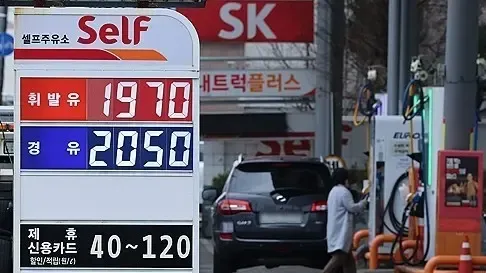
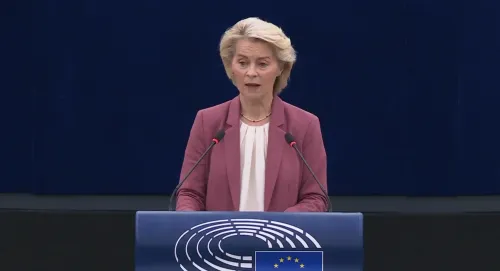
The urgency behind METSAF is underscored by stark figures cited at the highest levels. European Commission President Ursula von der Leyen, addressing EU lawmakers in Strasbourg, France on Wednesday, stated that in just 60 days of conflict, the EU's fossil fuel import bill had risen by more than €27 billion (approximately $31.57 billion) —
Point of View
Made by the EU's own Energy Commissioner, is not rhetorical caution — it is a warning that European energy vulnerability remains unreformed despite years of clean-transition rhetoric. The €27 billion import bill surge in 60 days also exposes the EU's continued dependence on fossil fuel imports, even as it champions green industrial policy. METSAF buys time; it does not buy energy security.
NationPress
18 Sept 2026
Frequently Asked Questions
What is METSAF and what does it do?
METSAF, or the Middle East Crisis Temporary State Aid Framework, is an EU mechanism adopted on 29 April that allows member states to provide emergency financial support to sectors hit by the Middle East conflict and rising energy costs. It covers agriculture, fisheries, transport, and energy-intensive industries, and will remain in effect until 31 December 2026.
Why did the EU adopt METSAF now?
The European Commission acted after the EU's fossil fuel import bill rose by more than €27 billion in just 60 days of Middle East conflict, according to Commission President Ursula von der Leyen. Energy Commissioner Dan Jorgensen also warned the crisis could be as severe as the 1973 oil embargo and the 2022 energy crisis combined.
Which sectors are covered under METSAF?
METSAF covers agriculture, fisheries, transport, and energy-intensive industries. Support includes aid based on actual fuel and fertiliser consumption, a simplified mechanism for smaller aid amounts, and greater flexibility under the Clean Industrial Deal State Aid Framework for electricity price spikes.
How long will METSAF remain in effect?
The framework is valid until 31 December 2026, though the Commission has stated it will keep the scope, content, and duration under review based on developments in the Middle East and the broader EU economic situation.
How does METSAF compare to previous EU emergency aid frameworks?
This is the EU's second major emergency state aid framework in three years, following the 2022 Ukraine Crisis framework activated after Russia's invasion of Ukraine. The repeated use of such frameworks highlights ongoing structural vulnerabilities in European energy supply.