South Korea ex-NIS deputy chief denies backing Yoon's martial law bid
Synopsis
Once a key whistleblower in South Korea's martial law probe, former NIS deputy chief Hong Jang-won now sits on the other side of the table — accused of helping justify Yoon Suk Yeol's failed December 2024 power grab to US intelligence. After nine hours of questioning, he denied everything, but declined to answer the most pointed question of all.
Key Takeaways
Hong Jang-won , former first deputy director of the NIS , denied allegations of delivering a message to the US backing Yoon Suk Yeol 's martial law bid on 23 May 2025 .
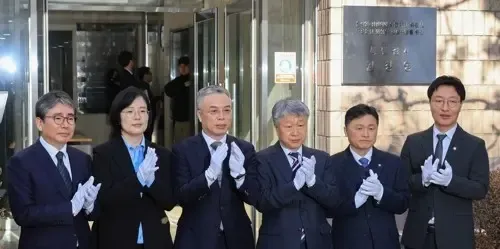
Hong was questioned for nine hours by the special counsel team at its office in Gwacheon , south of Seoul .
The special counsel, led by Kwon Chang-young , has charged Hong, former NIS chief Cho Tae-yong , and four other former NIS appointees with insurrection-related offences.
Investigators say they obtained key documents during an April raid on the NIS and questioned around 40 NIS officials.
Hong declined to answer whether NIS overseas-affairs officials had contacted their US counterparts — a central question in the probe.
Hong had previously served as a whistleblower during earlier court hearings related to the 3 December 2024 martial law declaration.
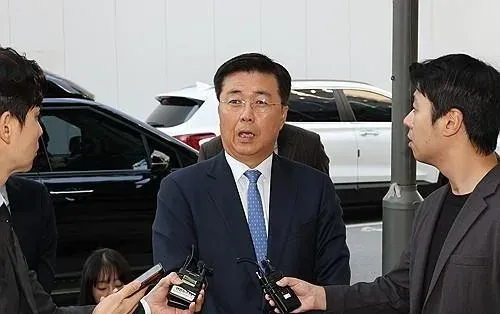
Hong Jang-won, former first deputy director of South Korea's National Intelligence Service (NIS), denied on 23 May 2025 that he delivered any message to the United States justifying former President Yoon Suk Yeol's short-lived martial law declaration, following nine hours of questioning by a special counsel team in Gwacheon, south of Seoul. The denial comes as Hong faces insurrection-related charges alongside five other former senior NIS officials.
What Hong Said After Questioning
'I believe I have sufficiently cleared up misunderstandings, and I think they now understand the matter enough,' Hong told reporters upon leaving the special counsel's office. He denied all allegations and said he was unaware of documents allegedly uncovered during a recent raid on the NIS. Notably, he declined to answer whether NIS officials handling overseas affairs had contacted their US counterparts and subsequently reported back to him.
The Allegations Against the Former NIS Official
According to the special counsel team, the NIS allegedly contacted US intelligence agencies after Yoon declared martial law on 3 December 2024, conveying a message designed to justify the emergency measure. The special counsel team, led by Kwon Chang-young, has booked Hong, former NIS chief Cho Tae-yong, and four other former political appointees at the spy agency on insurrection-related charges.
Evidence Gathered by the Special Counsel
The team said it confirmed specific allegations against the six suspects after obtaining documents explaining the justification for the martial law declaration during an April raid on the NIS headquarters. Around 40 NIS officials were questioned as part of that investigation sweep. The documents, investigators say, provide a paper trail linking the agency's actions to the broader alleged insurrection effort.
Hong's Earlier Role as a Whistleblower
Hong's questioning drew particular attention because he had previously acted as an effective whistleblower during earlier investigations and court hearings related to the martial law declaration. His shift from cooperating witness to accused suspect marks a significant turn in the sprawling legal proceedings surrounding the 3 December 2024 martial law episode — the first such declaration in South Korea in over four decades. All eyes are now on whether the special counsel will seek formal arrest warrants against Hong and the other five accused officials.
Point of View
Not comprehensive. The unanswered question about NIS-to-CIA contact is precisely where the case could expand into a diplomatic dimension Seoul would rather keep contained. If documents from the April NIS raid do show a deliberate effort to legitimise martial law to Washington, the fallout would extend well beyond domestic politics into South Korea's alliance management with the United States.
NationPress
26 Sept 2026
Frequently Asked Questions
What did Hong Jang-won deny during his questioning?
Hong Jang-won denied allegations that he delivered a message to the United States supporting former President Yoon Suk Yeol's martial law declaration. After nine hours of questioning on 23 May 2025, he also said he was unaware of documents allegedly found during a recent raid on the NIS.
What is the NIS accused of in South Korea's martial law case?
The National Intelligence Service is accused of contacting US intelligence agencies after Yoon declared martial law on 3 December 2024, allegedly to convey a message justifying the emergency measure. Six former senior NIS officials, including Hong Jang-won and former NIS chief Cho Tae-yong, have been charged with insurrection-related offences.
Who is leading the special counsel investigation?
The special counsel team is led by Kwon Chang-young. The team conducted an April raid on NIS headquarters and questioned around 40 NIS officials, obtaining documents that investigators say confirm specific allegations against the six accused.
Why is Hong Jang-won's case significant?
Hong had previously acted as an effective whistleblower during earlier investigations and court hearings related to the martial law declaration, making his current status as an accused suspect a notable reversal. His refusal to answer questions about NIS contact with US counterparts is seen as a key gap in his testimony.
When did Yoon Suk Yeol declare martial law?
Former President Yoon Suk Yeol declared martial law on 3 December 2024. The measure failed and led to sweeping legal proceedings, including insurrection charges against multiple senior officials from the NIS and other institutions.