Flash Floods Kill 5 in Afghanistan's Ghor & Badghis Provinces
Synopsis
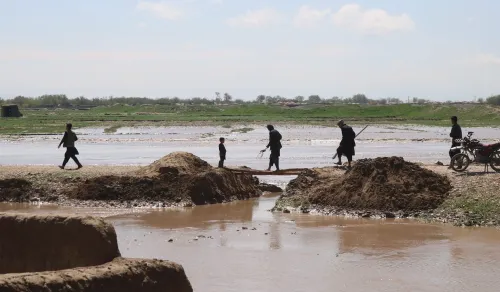
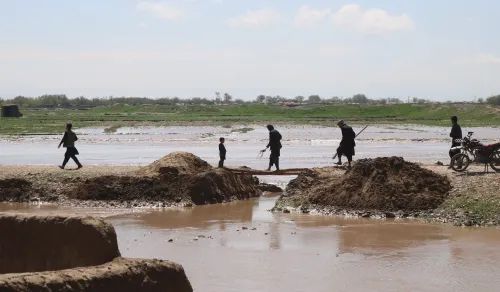
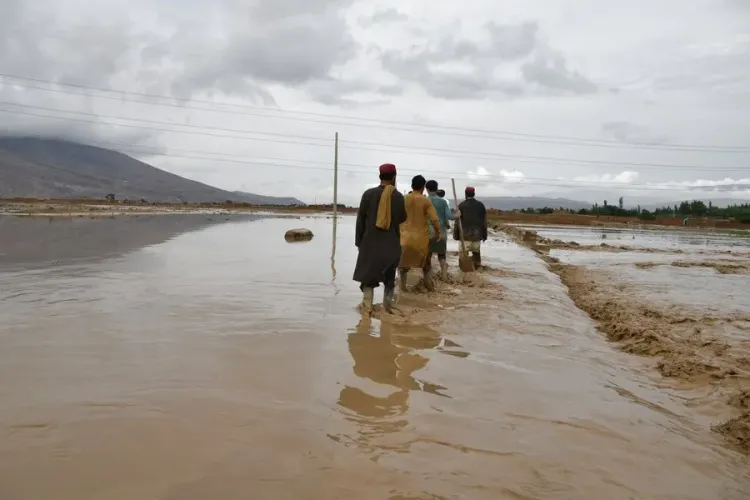
At least five people, including three from the same family, were killed as flash floods devastated Afghanistan's Ghor and Badghis provinces on April 23. Over 130 homes and thousands of acres of farmland were destroyed. With heavy rain forecast across 23 provinces and 148 already dead this April, Afghanistan faces a compounding humanitarian catastrophe.
Key Takeaways
Five people killed , including a woman and three members of the same family, in flash floods in Badghis and Ghor provinces on April 23, 2025 .
Over 130 homes destroyed — 30 in Badghis and 100 in the village of Jeh, Murghab district, Ghor — along with extensive agricultural land damage.
Baridad Saber , head of Badghis's Disaster Preparedness Department, confirmed the figures are preliminary and losses are expected to rise.
Afghanistan's MoTCI has issued flood and storm warnings for 23 provinces , signalling continued severe weather in the coming days.
A total of 148 people have died and 216 were injured in Afghanistan in April 2025 due to multiple natural disasters including floods, landslides, and earthquakes.
More than 9,000 homes damaged and 15,500 acres of farmland destroyed between March 26 and April 6 in earlier flood events.
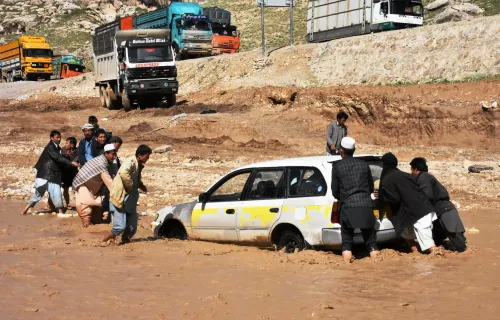
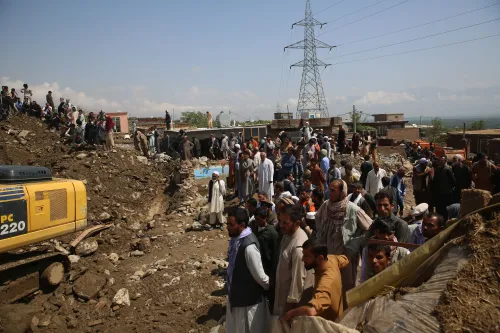
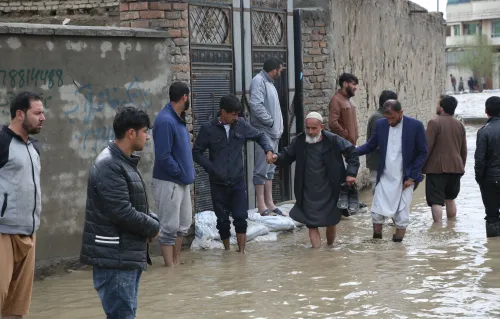
Flash floods have claimed at least five lives and destroyed hundreds of homes across the western Afghan provinces of Ghor and Badghis as of Thursday, April 23, according to local media reports citing multiple provincial authorities. The disaster has left entire communities displaced and in urgent need of humanitarian assistance, with preliminary figures expected to rise.
Casualties and Immediate Destruction
Among the five fatalities, one victim was a woman from Badghis province. Notably, three of the five dead belonged to the same family, underscoring the concentrated devastation the floods caused in specific localities. The information was confirmed by Baridad Saber, head of the Disaster Preparedness Department in Badghis, as quoted by the Pajhwok News Agency.
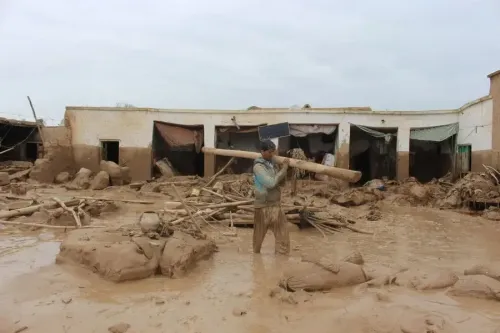
At least 30 homes were destroyed in Badghis, along with significant damage to agricultural land. Officials have cautioned that these are preliminary numbers and the final toll in both casualties and property losses is likely to increase as assessment teams reach more affected areas.
Ghor Province: Village of Jeh Bears the Brunt
In neighbouring Ghor province, the Governor's media office confirmed that the village of Jeh in Murghab district was severely impacted on Wednesday. An estimated 100 homes were reduced to rubble, and dozens of jeribs of farmland — a critical source of livelihood for local families — were wiped out.
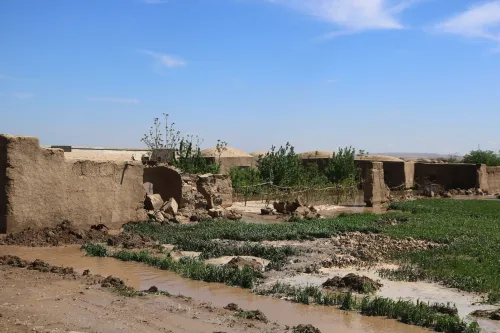
Both fruit-bearing and non-fruit-bearing trees were uprooted, compounding the agricultural losses that could affect food security for these communities well into the harvest season. Residents of the affected villages are currently reported to be in urgent need of emergency assistance, including shelter, food, and clean water.
Heavy Rain and Hail Across Multiple Districts
Beyond the flood zones, districts including Aab Kamari, Bala Murghab, Muqur, Qadis, and Ghormach in Badghis province also recorded heavy rainfall accompanied by hail, raising concerns about further damage to crops and infrastructure in the coming hours.
The Ministry of Transport and Civil Aviation (MoTCI) has issued a forecast warning of heavy rainfall, thunderstorms, and flash floods across 23 Afghan provinces in the coming days. The provinces on alert include Nuristan, Kunar, Nangarhar, Laghman, Kapisa, Panjsher, Parwan, Baghlan, Samangan, Badakhshan, Kunduz, Takhar, Balkh, Sar-i-Pul, Faryab, Ghor, Badghis, Daikundi, Bamyan, Ghazni, Maidan Wardak, Logar, and Paktia.
Broader Pattern: Afghanistan's Catastrophic April
This latest tragedy is part of a devastating pattern of natural disasters that has battered Afghanistan throughout April 2025. According to Khaama Press, citing Afghan disaster authorities, at least 148 people were killed and 216 injured in the early weeks of April alone, as a combination of heavy rains, flash floods, landslides, earthquakes, and lightning strikes ravaged multiple regions.
Between March 26 and April 6, floods caused by heavy rains damaged more than 9,000 homes and destroyed approximately 15,500 acres of agricultural land across the country. For a nation already grappling with food insecurity and a collapsed formal economy under Taliban governance, these recurring natural disasters represent a compounding humanitarian emergency.
Humanitarian Crisis in the Making
Afghanistan remains one of the world's most disaster-prone countries, with its mountainous terrain and degraded infrastructure making communities especially vulnerable to seasonal flooding. The United Nations and international aid agencies have repeatedly flagged the country's limited disaster-response capacity, particularly following the withdrawal of many foreign NGOs after 2021.
With the MoTCI forecasting continued severe weather across nearly half of Afghanistan's provinces, humanitarian organisations and local authorities face a race against time to pre-position relief supplies and evacuation support. The coming days will be critical in determining whether the death toll from this season's floods climbs significantly higher.
Point of View
Each new flood exposes the catastrophic gap between need and capacity. The international community's selective attention to Afghan suffering — robust when geopolitically convenient, muted otherwise — deserves scrutiny. As climate patterns intensify seasonal flooding across South and Central Asia, Afghanistan's vulnerability serves as a warning of what happens when governance collapses and global attention moves on.
NationPress
19 Sept 2026
Frequently Asked Questions
How many people were killed in the Afghanistan flash floods on April 23, 2025?
At least five people were killed in flash floods that struck Afghanistan's Ghor and Badghis provinces on April 23, 2025. Three of the five victims belonged to the same family, and one of the dead was a woman from Badghis province.
Which provinces in Afghanistan were affected by the April 2025 flash floods?
The western provinces of Ghor and Badghis were the worst-hit in the April 23 floods. Additionally, Afghanistan's Ministry of Transport and Civil Aviation has forecast heavy rain and thunderstorms across 23 provinces, including Nangarhar, Balkh, Kunduz, and Bamyan.
How many homes were destroyed in the Ghor and Badghis floods?
At least 30 homes were destroyed in Badghis province and 100 homes in the village of Jeh in Ghor's Murghab district, bringing the combined total to over 130 homes. Dozens of jeribs of farmland and numerous trees were also destroyed.
What is the total death toll from Afghanistan's April 2025 disasters?
At least 148 people were killed and 216 injured across Afghanistan in the early weeks of April 2025 due to heavy rains, flash floods, landslides, earthquakes, and lightning. More than 9,000 homes were damaged and 15,500 acres of agricultural land destroyed between March 26 and April 6 alone.
Is more rain expected in Afghanistan after the April 23 floods?
Yes, Afghanistan's Ministry of Transport and Civil Aviation (MoTCI) has forecast heavy rainfall, thunderstorms, and flash floods across 23 provinces in the coming days. Authorities have warned that casualty and damage figures from the current floods could rise further.