Growing Discontent in Gilgit-Baltistan: Pakistan's Extractive Policies Under Fire
Synopsis
Amid rising tensions in Pakistan-occupied Gilgit-Baltistan, the region grapples with economic grievances and a lack of political representation. Public protests intensify as locals demand constitutional rights and accountability from Islamabad, revealing deep-rooted governance issues.
Key Takeaways
Structural contradictions in governance are evident in PoGB.
Economic discontent is leading to a rise in protests .
Local representation is severely lacking.
Energy shortages plague the region, impacting daily life.
Concerns over Chinese-backed projects are growing.
Islamabad, Feb 23 (NationPress) The response of Islamabad to dissent in Pakistan's occupied Gilgit-Baltistan (PoGB) has revealed significant inconsistencies in the region's governance framework. Since asserting administrative control in 1948, Pakistan has yet to afford PoGB full constitutional recognition, leading to federal and military institutions wielding substantial power over its resources and political structures while limiting genuine local representation, as highlighted by a prominent Afghan news outlet.
Recent years have seen a surge in economic discontent, energy deficits, and apprehensions regarding infrastructure projects backed by China. In reaction to public outcry, Pakistan has resorted to coercive tactics, including arrests and regulatory pressures. This trend illustrates a widening chasm between Pakistan's extractive economic policies and the emerging political awareness among PoGB's citizens, according to an opinion piece from Khaama Press.
The lack of clear constitutional status for PoGB is a fundamental structural issue fueling unrest in the area. Since its occupation in 1948, Pakistan has governed the territory through executive orders rather than integrating it constitutionally. Analysts note that crucial sectors such as minerals, hydropower, and security remain under federal jurisdiction despite apparent devolutions.
Political dissatisfaction escalated following the former Prime Minister Imran Khan's unfulfilled promise to grant provincial status. Rather than addressing concerns, the federal government introduced new taxation policies in 2022, sparking widespread protests in Gilgit, Skardu, Hunza, and other locations.
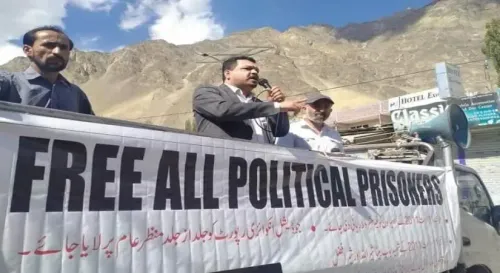
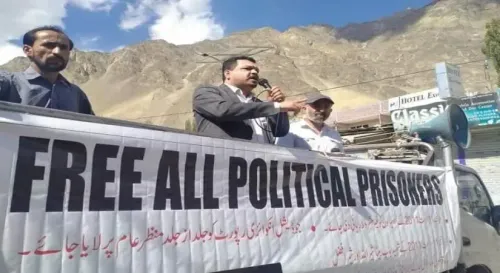
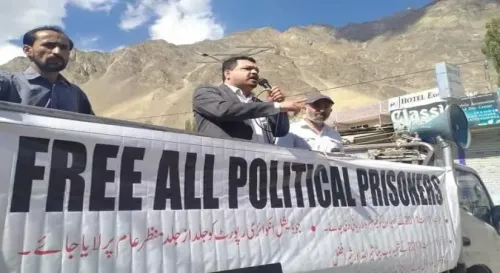
Local business groups and the Awami Action Committee organized demonstrations and strikes, asserting that taxation without constitutional representation contravenes fundamental federal principles, as reported by Khaama Press. Protest leaders contended that the revenue generated from PoGB is funneled directly to the federal treasury without equitable reinvestment in the region, further solidifying the perception that Pakistan views PoGB as a mere revenue and resource extension rather than a legitimate political entity.
Despite being home to glaciers that nourish the Indus River system and rich deposits of gold, copper, and rare earth minerals, PoGB suffers from severe energy shortages, especially during winter, with power outages lasting up to 20 hours daily in certain areas. Community members and civil society organizations have consistently raised alarms regarding delayed compensation for displaced populations and the absence of local job assurances. Reports indicate that the majority of workers on China-Pakistan Economic Corridor (CPEC)-related projects in PoGB are non-local, comprising Chinese nationals and laborers from other provinces.
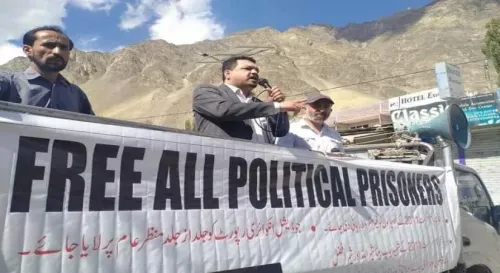
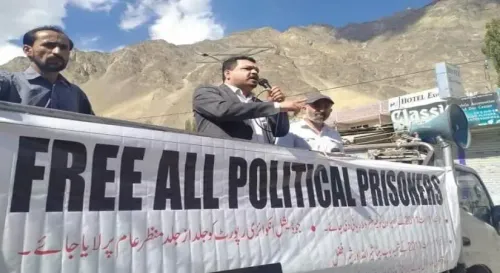
"These systemic grievances have led to ongoing protest activities. Groups like the Awami Action Committee, Gilgit-Baltistan National Alliance, GB Youth Movement, and several trade organizations have spearheaded repeated demonstrations over electricity shortages, cuts to wheat subsidies, taxation, and land acquisition policies. In 2023 and 2024, protests escalated following the federal government's decision to decrease subsidized wheat allocations, a particularly contentious issue in a region that heavily relies on government-supported food supplies," the Khaama Press opinion piece noted.
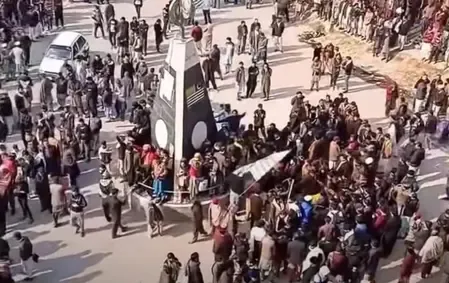
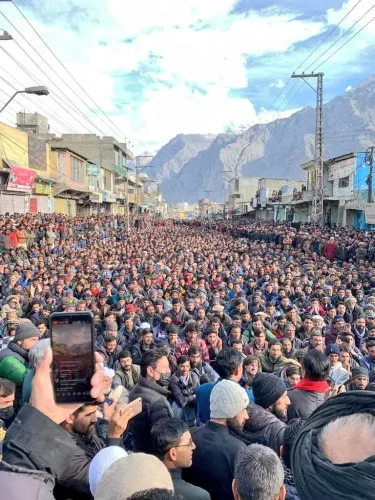
"Mass sit-ins in Gilgit and Skardu attracted thousands of participants demanding the restoration of subsidies and the recognition of constitutional rights. In response, Pakistani authorities deployed additional security personnel, detained activists, and enacted public order laws to limit gatherings. Human rights advocates, including the Human Rights Commission of Pakistan, have consistently raised alarms about the diminishing civic space in PoGB and the application of anti-terror legislation against peaceful demonstrators," it further elaborated.
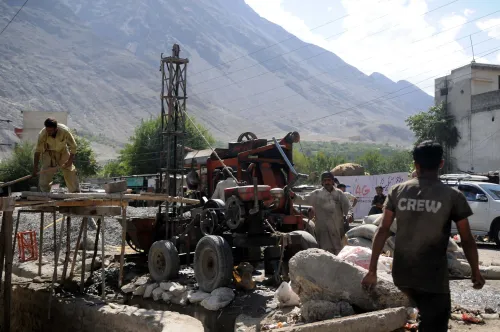
Concerns regarding the environmental impact of Chinese-backed projects in PoGB have also been voiced. Local activists have protested against land acquisition methods, ecological hazards, and the opacity surrounding CPEC-related initiatives and dam constructions. Over the past three years, there have been protests in Hunza and Diamer, with demonstrators emphasizing that local residents bear the environmental costs while the economic benefits accrue to Pakistan's Punjab province and China.
Point of View
It is crucial to highlight that the ongoing unrest in Gilgit-Baltistan reflects deep-seated governance issues and the people's quest for rightful representation and economic justice. The regional dynamics warrant a careful examination of Islamabad's policies and their implications for local communities.
NationPress
19 Sept 2026
Frequently Asked Questions
What are the main grievances of the Gilgit-Baltistan population?
The primary grievances include economic disparities, lack of political representation, energy shortages, and concerns over taxation without constitutional rights.
How has Pakistan responded to protests in the region?
Pakistan has implemented coercive measures, including arrests and regulatory pressures, in response to public mobilization against its policies.
What role do Chinese-backed projects play in the unrest?
Chinese-backed projects have raised environmental concerns and led to local protests over land acquisition practices and the distribution of economic benefits.
What impact do energy shortages have on the local population?
Energy shortages severely affect daily life, with power cuts lasting up to 20 hours, particularly in winter, exacerbating economic hardship.
What do protest leaders demand?
Protest leaders are calling for the restoration of subsidies, constitutional rights, and equitable reinvestment of revenues generated from the region.