Economic Strain on Developing Nations from Global Conflicts
Synopsis
As global conflicts escalate, developing nations face increasing economic pressures. The G-24 warns that recent advancements in inflation and growth are now in jeopardy, urging for robust international support to mitigate these challenges.
Key Takeaways
Global conflicts are intensifying economic challenges for developing nations.
The G-24 warns that recent gains in inflation and economic growth are at risk.
Supply chain disruptions, particularly in energy markets, are compounding the crisis.
Enhanced multilateral support and targeted fiscal policies are essential for vulnerable countries.
Emerging technologies could further widen inequality in the global economy.
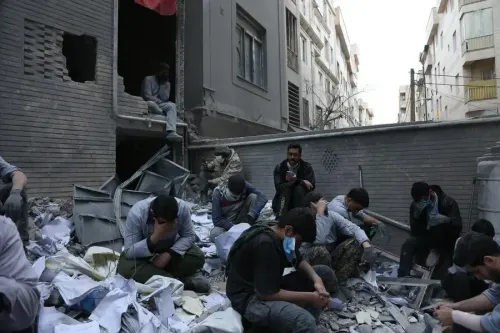
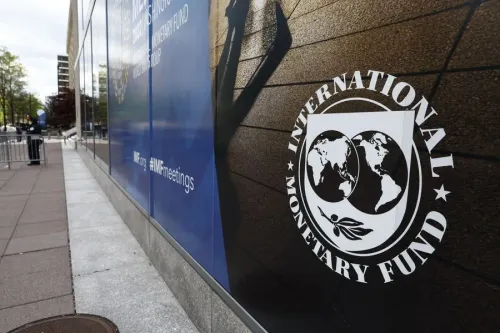
Washington, April 16 (NationPress) Ongoing global conflicts and disruptions in supply chains are exacerbating the economic challenges faced by developing nations. The Intergovernmental Group of Twenty-Four (G-24) has cautioned that recent advancements in inflation and economic growth are now jeopardized.
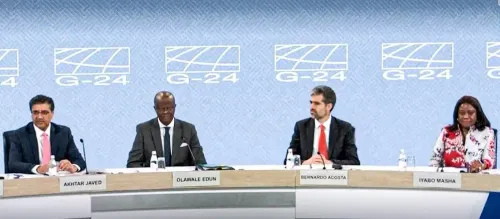
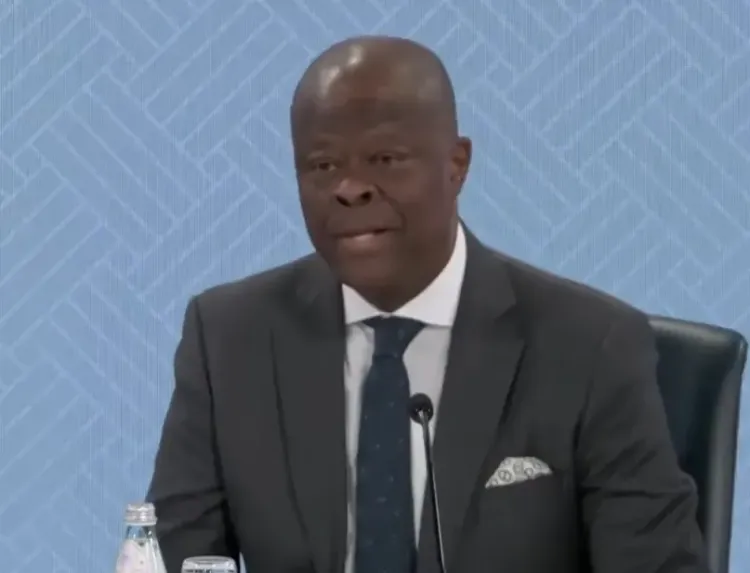
During a press briefing at the Spring Meetings, G-24 Chair Olawale Edun stated: “A multitude of political crises and global conflicts have profoundly affected populations and further stressed the delicate global economy, particularly impacting developing nations.”
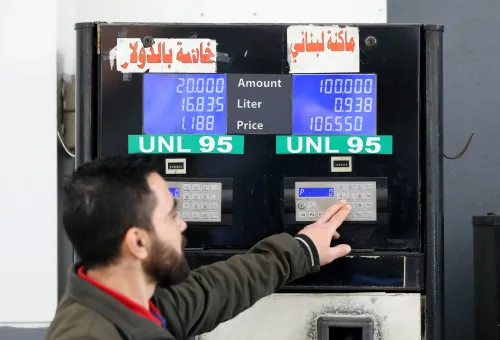
He noted that supply chain disruptions, especially in the energy sector, are compounding the crisis. “Countries that import oil are experiencing amplified current account pressures, and inflation could impact various sectors, undermining recent progress,” Edun remarked.
Additionally, rising interest rates and fluctuating exchange rates are escalating borrowing costs, which heightens debt risks in emerging markets and developing economies. Meanwhile, “stricter financial conditions and increased risk aversion may hinder the influx of private capital,” he emphasized.
The group has called for enhanced multilateral support. Edun asserted, “Multilateral assistance and improved development aid are crucial for vulnerable nations.”
Central banks are facing a challenging policy dilemma. Akhtar Javed, First Vice-Chair, remarked, “It is extremely challenging for central banks to find equilibrium,” urging them to “act wisely and maintain balance.”
Iyabo Masha, Director of the G-24 Secretariat, indicated that current inflationary pressures are mainly driven by supply issues. “Supply-side constraints are not responsive to typical monetary policies, such as interest rate increases,” she explained, advocating for a “wait and see” strategy while remaining data-focused.
Edun warned of risks on both ends. He cautioned that raising rates “too soon and too aggressively could be detrimental.” However, postponing action could also allow inflation to increase.
Regarding fiscal policy, the group recommends targeted support. Edun stated that governments should prioritize “specific and temporary relief for the impoverished and most vulnerable,” rather than reverting to widespread subsidies.
The energy crisis is impacting both oil importers and exporters. Even oil-producing nations are facing rising expenses due to increased prices for essential inputs like gas and food.
The G-24 also urged for more support from global institutions. “We are eager for them to provide additional liquidity and risk management tools that can reduce financing costs,” Edun expressed.
Masha acknowledged that reforms are in progress but emphasized that “the gap persists, especially concerning debt and the reduction of borrowing costs.”
On trade, Edun noted the weakening global system, highlighting “fragmentation, bilateralism, and the disintegration of supply chains.” This trend is prompting developing nations to concentrate more on domestic production and regional markets.
He also highlighted risks posed by emerging technologies. The rise of artificial intelligence could “initially exacerbate inequality before potentially helping to bridge the gap,” he remarked.
This warning comes amidst escalating geopolitical tensions that continue to disrupt global markets. For substantial oil importers like India, escalating energy prices could further contribute to inflation and widen external imbalances.
The IMF and World Bank have broadened their support mechanisms in recent years. Nonetheless, developing countries continue to seek lower borrowing costs, stronger financial safety nets, and reforms that recognize their increasing role in the global economy.
Point of View
It is imperative to recognize the unique challenges faced by developing economies. The G-24's call for enhanced multilateral support underscores the urgent need for coordinated efforts to stabilize these nations and foster sustainable growth.
NationPress
19 Sept 2026
Frequently Asked Questions
How are global conflicts impacting developing economies?
Global conflicts are contributing to supply chain disruptions and rising inflation, which are significantly straining the economic conditions of developing nations.
What measures are suggested for supporting vulnerable countries?
The G-24 advocates for targeted and temporary relief for the poor, as well as increased multilateral support and development assistance.
Why is inflation a concern for developing countries?
Inflation can undermine economic growth and exacerbate poverty levels, particularly in developing nations that are already facing financial pressures.
What role do central banks play in this context?
Central banks must navigate a complex policy landscape, balancing interest rates to manage inflation while also considering the economic health of developing nations.