Has Former King Gyanendra Criticized Nepal's Political Leadership Over Foreign Policy?
Synopsis
In a poignant address, former King Gyanendra Shah critiques Nepal's political leadership for its imbalanced foreign policy that threatens national interests. As he reflects on the country's challenges, he emphasizes the urgent need for a shield of peace and addresses the youth's growing discontent due to rising outmigration.
Key Takeaways
The former King criticized the current political leadership's foreign policy.
He emphasized the need for a protective 'shield of peace.' Outmigration has led to significant youth discontent.
The Gen-Z movement had substantial political repercussions.
Ongoing crises continue to trouble the nation.
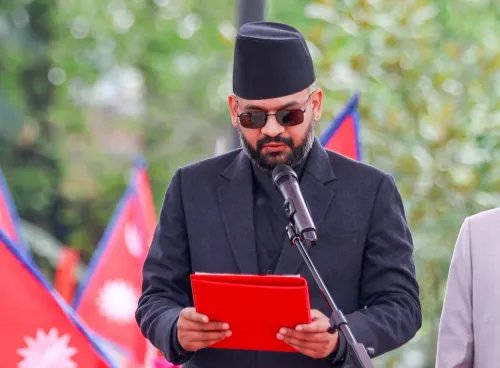
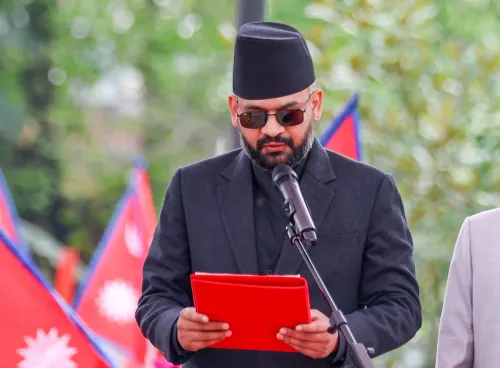
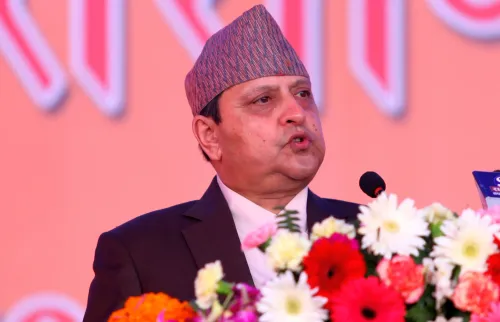
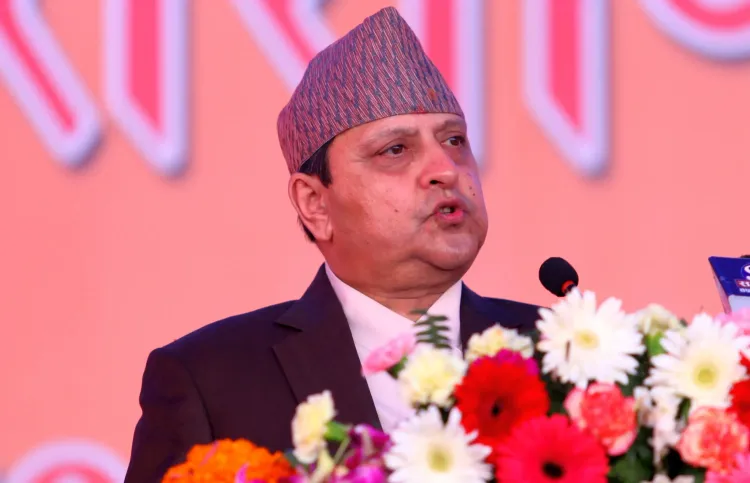
Kathmandu, Jan 10 (NationPress) The former monarch of Nepal, Gyanendra Shah, voiced strong criticism on Saturday against the nation's political leaders for implementing a foreign policy that he deemed increasingly imbalanced, which he believes is jeopardizing the country's national interests.
In a nationwide address leading up to the 304th anniversary of modern Nepal's founder, Prithvi Narayan Shah, who is also his ancestor, and the upcoming National Unity Day, Shah pointed out that the leadership's inability to grasp the nation's delicate situation and the evolving geopolitical environment has placed Nepal in jeopardy of losing the trust of its allies.
“In this era of a growing imbalanced foreign policy that is harming our national interests, the wisdom of Prithvi Narayan Shah and his insightful perspectives have become even more crucial,” he stated in a video message. However, he refrained from detailing how the country adopted such a skewed foreign policy.
Shah emphasized that Nepal must seek a shield of peace for its protection, contrasting it with many nations that pursue various forms of security measures. He did not, however, specify what this “shield of peace” entails.
His message also reflected concern over the rising frustration among the youth and their escalating outmigration, a trend he associated with growing discontent among young people.
“The ongoing outmigration of Nepal’s skilled workforce has already indicated a grim outlook for the country’s future. We are now witnessing the exodus of capital, entrepreneurs, and investors,” he remarked. “This trend, if not swiftly addressed, could lead the nation to the edge of collapse.”
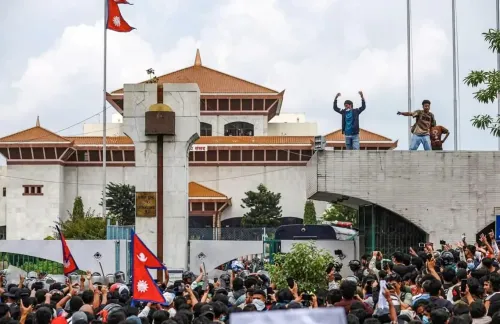
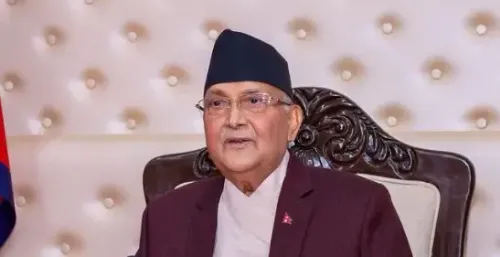
While he did not specifically reference the recent Gen-Z movement, the former King noted the increasing rebellious spirit among the younger demographic. The Gen-Z movement, which occurred in early September of the previous year, resulted in the dissolution of the coalition government led by former Prime Minister K P Sharma Oli, paving the way for the current administration under Sushila Karki.
“When the desires, needs, and aspirations of the younger generation are overlooked, discontent is inevitable, potentially leading to rebellion—a reality that leadership must recognize,” he commented. “The ongoing tendency to exploit the youth without genuinely understanding their requirements has fostered frustration, leading to significant losses of life and property throughout the nation.”
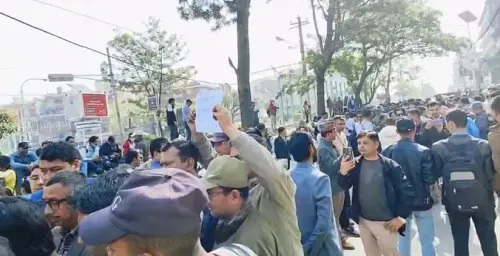
During the Gen-Z protests, approximately 77 individuals lost their lives, with damages to government and private properties exceeding NPR 84 billion according to official estimates.
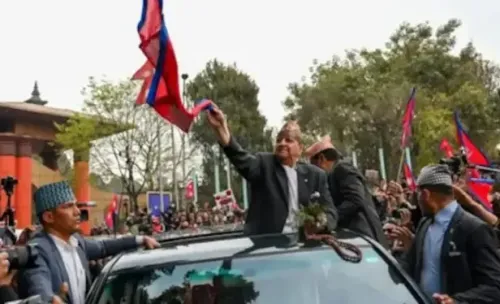
Shah also reminisced about his departure from the royal palace nearly two decades ago. He mentioned that he had returned the “royal crown and sceptre”—the trust of the people—back to the citizens for their stewardship, stepping back from state affairs as per the wishes of the political entities that assumed power with promises of peace, economic growth, and stability.
“Even after almost twenty years since we vacated the Narayanhiti Royal Palace, the unending crises facing the nation continue to trouble us,” he stated. “In the past, there was concern that the nation was not being developed; now, there is despair that the nation itself might not survive.”
Point of View
It's crucial to recognize Gyanendra Shah's perspectives on the political landscape in Nepal. His concerns regarding foreign policy and youth discontent reflect a broader sentiment among citizens. The leadership must take heed of these warnings and engage with the youth to foster a more inclusive and stable future for the nation.
NationPress
20 Sept 2026
Frequently Asked Questions
What did former King Gyanendra Shah criticize?
He criticized the political leadership for adopting an increasingly imbalanced foreign policy that undermines Nepal's national interests.
What is the significance of the 'shield of peace' mentioned by Gyanendra Shah?
The 'shield of peace' signifies a protective stance Nepal should adopt, contrasting with the security measures pursued by other nations.
How has youth outmigration affected Nepal?
The outmigration of young people has led to a sense of despair about the nation's future, as it indicates a loss of potential and economic resources.
What was the outcome of the Gen-Z movement in Nepal?
The Gen-Z movement resulted in the collapse of the coalition government led by K P Sharma Oli and brought in the current leadership under Sushila Karki.
What historical context does Gyanendra Shah provide in his address?
He recalls his departure from the Narayanhiti Royal Palace nearly two decades ago and expresses concern over ongoing national crises.