Could Former King Gyanendra Shah's Message Impact Nepal's Upcoming Election?
Synopsis
Former King Gyanendra Shah's call to postpone Nepal's elections raises questions about political stability. As dissatisfaction grows among the populace, his message may influence the upcoming electoral landscape.
Key Takeaways
Gyanendra Shah calls for election postponement amidst public dissent.
Political instability continues to challenge Nepal's governance.
Support for a constitutional monarchy is resurging among certain groups.
Upcoming elections are set against a backdrop of significant public unrest.
Government faces pressure to address concerns raised by the former king.
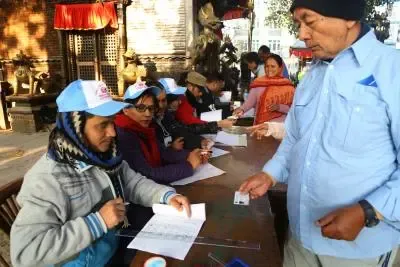
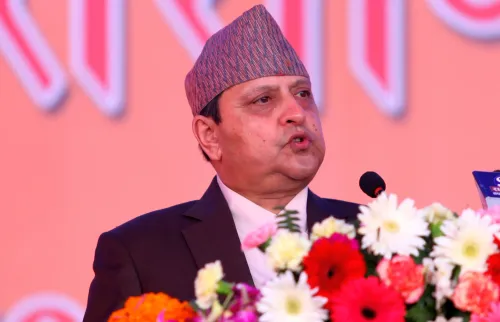
New Delhi, Feb 19 (NationPress) As Nepal approaches its upcoming parliamentary election, former monarch Gyanendra Shah has stirred controversy by advocating for a delay. He cautioned that proceeding with the polls amidst widespread national discontent could exacerbate political instability and ignite further conflicts, according to various media sources.
Shah was ousted in July 2008 following a parliamentary decision that marked the end of Nepal's long-standing monarchy, as reported by the Kathmandu Post.
The current state of political turmoil, frequent governmental shifts, and public discontent have kept Shah's opinions in the spotlight, adding weight to his remarks.
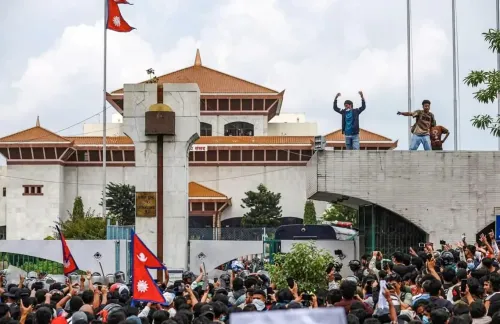
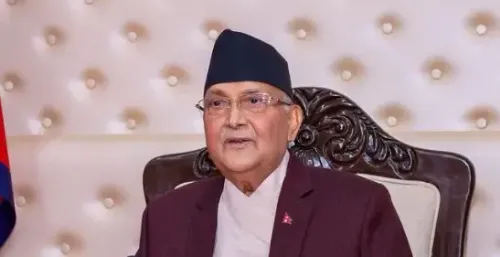
With elections scheduled for March 5, following the resignation of former Prime Minister Khadga Prasad Sharma Oli and several cabinet members amidst protests from Gen Z last year over allegations of corruption and nepotism, the stakes are high.
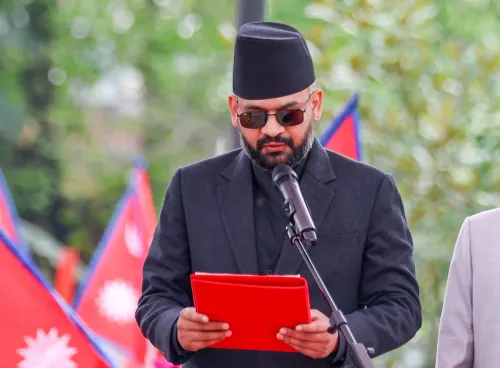
In a video message, Shah expressed concern that the elections are advancing despite significant public dissent, stating that conducting polls against the prevailing sentiment would not yield a sustainable resolution to the nation's political turmoil.
The viewpoint from the Nepal daily interpreted his message as a call for those against the current political framework to reevaluate their participation in the elections, thereby pressuring the government and political entities to address the raised issues.
Shah also challenged the legitimacy of the interim government managing the elections, questioning its constitutional validity and who would be accountable for any adverse outcomes.
In response, an anonymous minister described Shah's comments as "objectionable", asserting that the government remains dedicated to proceeding with the elections.
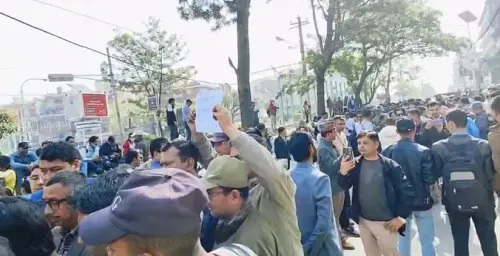
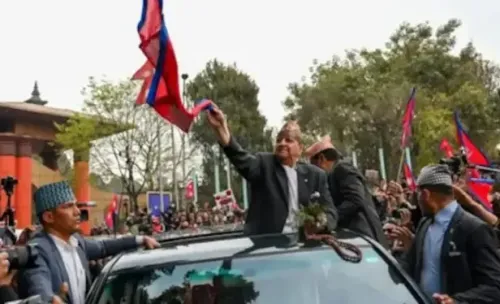
Meanwhile, a movement advocating for the reinstatement of a constitutional Hindu monarchy has gained traction, instigating considerable demonstrations in Kathmandu and beyond.
This movement's supporters argue that the ongoing political instability and public dissatisfaction with governance could be remedied by reverting to a monarchical system. Key figures include members of the pro-monarchy Rastriya Prajatantra Party, who have consistently sought a "new agreement" between the political parties and the former king to guide the country toward stability.
Recent reports highlighted the arrest of royalist Durga Prasain for allegedly attempting to disrupt the electoral process. Once associated with various political factions, Prasain has recently adopted monarchist views and is advocating for the revival of a Hindu kingdom.
The movement has intensified political polarization, challenging the electoral process with demands for postponement or boycotts, as well as calls for broader consensus before voting. Its future impact will hinge on the movement's capacity to maintain public support, the reactions of mainstream political parties, security bodies, and whether the grievances underpinning the movement are addressed through necessary reforms, as noted by some analysts.
Post the restoration of multiparty democracy in 1990, monarchist sentiments remained prevalent among bureaucratic factions, conservative parties, and rural communities. Support for the monarchy surged during the early 2000s due to the Maoist insurgency and political chaos, particularly after the king imposed direct rule in the mid-2000s. Subsequent popular uprisings forced a return to parliamentary governance, culminating in the abolition of the monarchy and establishment of a republic in 2008.
Since then, royalist factions, including political groups, civic organizations, and notable individuals, have continued to advocate for a constitutional Hindu monarchy or a negotiated "new agreement" between the crown and political entities, utilizing rallies, party politics, and public appeals to assert their demands.
Point of View
It is crucial to remain neutral while acknowledging the weight of Gyanendra Shah's statements. His call for postponement reflects significant public sentiment that cannot be ignored. The government must balance the urgency of elections with the pressing need for political stability.
NationPress
29 Sept 2026
Frequently Asked Questions
What did former King Gyanendra Shah say about the elections?
He called for a postponement, citing ongoing public dissatisfaction and potential political instability.
Why was Gyanendra Shah removed from power?
He was ousted by parliamentary decision in July 2008, ending the monarchy in Nepal.
When are the elections scheduled to take place?
The elections are set for March 5.
What has fueled the pro-monarchy movement?
Political instability and public dissatisfaction with governance have driven support for the restoration of the monarchy.
How has the government responded to Shah's statements?
An unnamed minister labeled Shah's comments as objectionable and reaffirmed the government's commitment to holding the elections.