Heightened Security Measures in Nepal Ahead of March Elections: Reports Indicate Potential Poll Disruptions
Synopsis
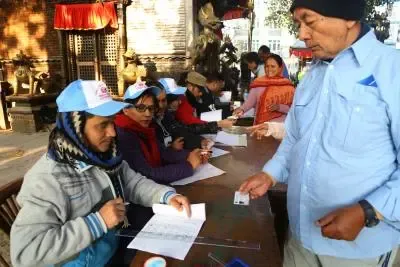
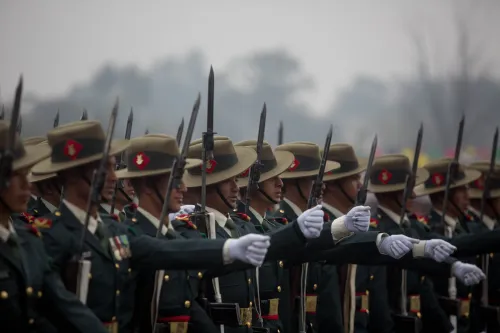
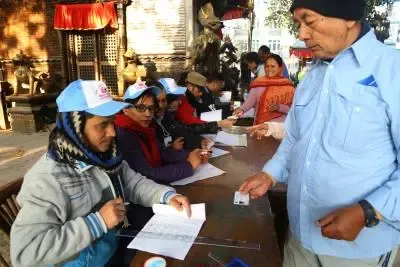
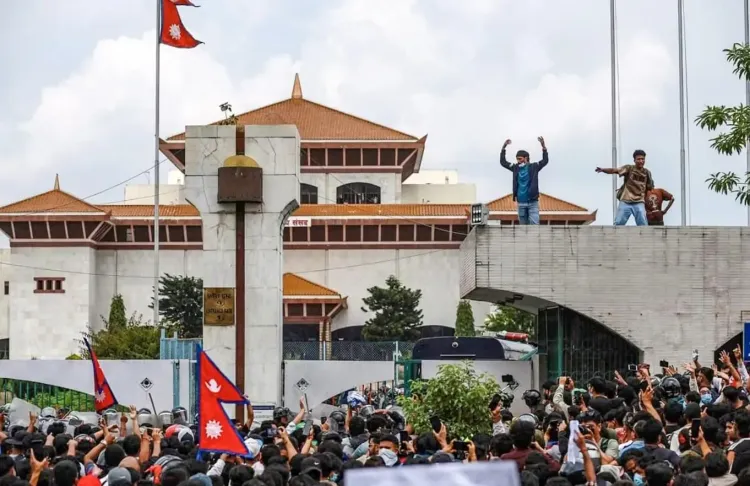
As Nepal approaches its crucial elections on March 5, security agencies are on high alert for various threats. Political clashes, communal disturbances, and the activities of escapees from last year's protests are among the challenges highlighted by reports from Kathmandu. The government remains determined to conduct the elections as planned.
Key Takeaways
Increased security measures are being implemented in Nepal ahead of the March 5 elections.
Political clashes and unrest are major concerns identified by security agencies.
Former king Gyanendra's remarks have added to the uncertainty surrounding the elections.
Government officials are actively monitoring opposition groups.
Commitments from the government suggest elections will proceed as planned.
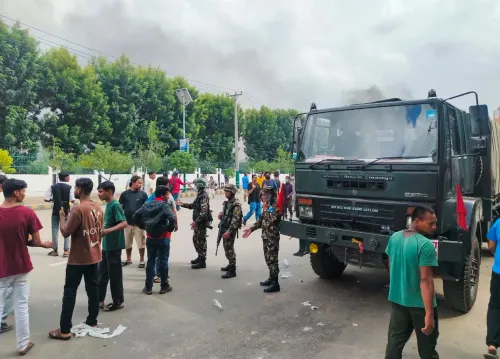
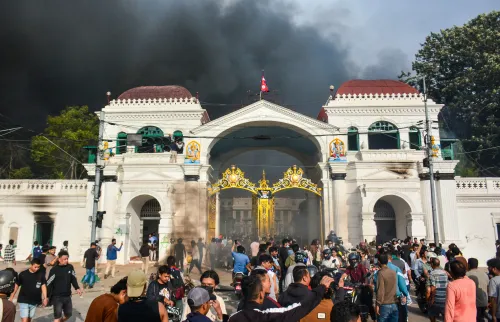
New Delhi, Feb 25 (NationPress) As Nepal gears up for the elections scheduled on March 5, security forces have raised alarms regarding numerous potential obstacles. These include political confrontations, communal unrest, and the possibility of jail inmates escaping, particularly in light of last year's Gen Z protests, as per reports from Kathmandu on Wednesday.
According to the Kathmandu Post, some communist factions and groups pushing for the restoration of the monarchy are actively opposing the elections, prompting security agencies to monitor them closely.
"Security agencies have pinpointed a range of threats, including conflicts among various political party supporters, communal flare-ups, religious tensions, activities by monarchist groups, and the risk posed by prisoners who escaped during the Gen Z protests in September. Additionally, there are concerns surrounding the actions of political parties that have opted to boycott the election," the report stated.
In another report released on Wednesday, doubts have surfaced regarding the likelihood of the elections proceeding as planned.
The report highlighted that the controversial monarchist figure, Durga Prasain, and his followers have voiced their opposition to the election.
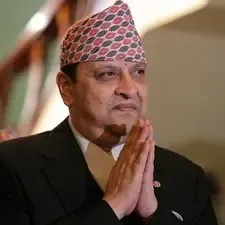
During a video address on February 18, former king Gyanendra remarked that conducting elections under the current circumstances would not resolve the country’s issues.
His comments have contributed to the mounting uncertainty surrounding the scheduled elections.
Interestingly, thousands of supporters welcomed Gyanendra at Kathmandu airport on February 13 upon his return from a trip to eastern Nepal.
The crowd chanted, "Bring back the king. We love our king more than our own selves. Restore constitutional monarchy," as they lined the route to his residence, showcasing significant support just before the pivotal March elections, which made it challenging for police in riot gear to manage the crowd.
In 2006, widespread protests compelled Gyanendra to relinquish power, and two years later, Nepal's Parliament abolished the monarchy after he left the Royal Palace to live as a common citizen.
Despite the growing skepticism about the snap elections on social media, the Kathmandu Post asserted that both the government and participating political parties have committed to holding the elections on the designated date.
“We have identified nearly all the elements that could create security issues, but those spreading misinformation on social media, whether domestically or internationally, present a significant challenge that must be addressed,” stated a senior security official, who chose to remain anonymous.
As the election for the House of Representatives approaches, the government has begun to accelerate security updates at the highest levels on a daily basis.
On Tuesday, interim Prime Minister Sushila Karki and Home Minister Om Prakash Aryal held consecutive security briefings to evaluate the situation, particularly concerning the elections.
The Prime Minister was also briefed by the heads of all security agencies regarding the preparations for the elections and the overall security landscape, according to a notice from Karki's private secretariat.
The parliamentary elections are set to occur under an interim government established after the resignation of then Prime Minister K.P. Sharma Oli, who faced widespread anti-corruption protests from the Gen Z movement last September.
Point of View
The situation in Nepal reflects a complex interplay of political dynamics and security concerns. While the government asserts its commitment to conducting elections as scheduled, the increasing opposition and potential for unrest must be critically monitored to ensure a fair and secure electoral process.
NationPress
29 Sept 2026
Frequently Asked Questions
What challenges are security agencies in Nepal facing ahead of the elections?
Security agencies have identified numerous challenges, including potential political clashes, communal disturbances, and the activities of escaped prisoners from last year's protests.
Are there any significant figures opposing the elections?
Yes, some communist factions and monarchist groups, led by controversial figures such as Durga Prasain, are opposing the elections and expressing their dissent.
What have former king Gyanendra's comments been regarding the elections?
Former king Gyanendra stated in a video message that holding elections under the current circumstances would not resolve the country's issues, contributing to the uncertainty about the elections.
How is the government addressing security concerns for the elections?
The government is expediting security updates at the highest levels and has been conducting regular security briefings to assess and prepare for potential challenges.
Will the elections be held as scheduled?
Despite the growing skepticism, both the government and participating political parties have confirmed their intention to hold the elections on the stipulated date.