Nepal's Probe Report on Violent Gen Z Protests: Political Fallout and Social Consequences
Synopsis
As Nepal's Rastriya Swatantra Party prepares to name its Prime Minister, a critical probe report on the September protests has surfaced, revealing shocking findings about government accountability and social unrest among the youth.
Key Takeaways
Political Accountability: The report implicates former leaders, suggesting unprecedented action against political figures.
Youth Frustration: Chronic unemployment and corruption are highlighted as root causes for the protests.
Security Force Critique: The report criticizes the excessive use of force by police and military.
Institutional Reforms: Recommendations for restructuring security forces to ensure accountability.
Socio-Economic Issues: Emphasizes the need for policies targeting job creation in emerging sectors.
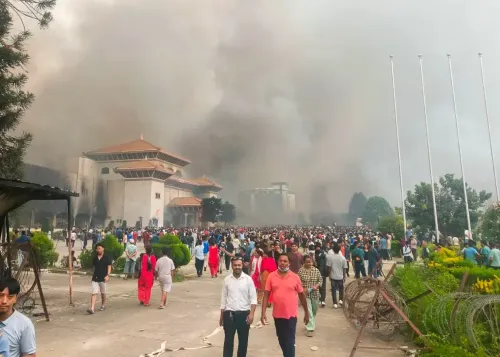
New Delhi, March 26 (NationPress) On the eve of the Rastriya Swatantra Party (RSP) naming its Prime Minister following their victory in the March 5 national elections, the interim government has been compelled to disclose a report from a probe agency investigating the tragic events of September 8-9 in Kathmandu, which resulted in multiple fatalities among young demonstrators.
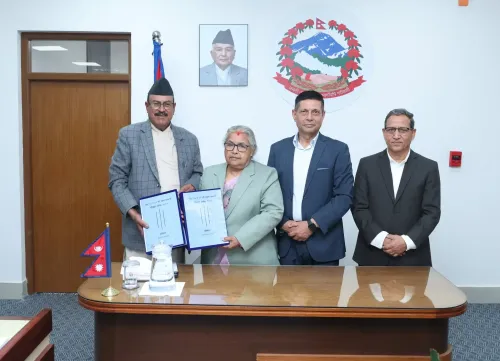
The inquiry commission, headed by former Justice Gauri Bahadur Karki, presented its findings to Prime Minister Sushila Karki on March 8.
Sources indicated that the current administration had initially planned to hand the report over to the incoming Cabinet for deliberation on subsequent actions.
Earlier this month, IANS verified on-site in Kathmandu that officials well-informed on the matter had disclosed the interim government's hesitance to publish the report amid significant pressure.
On Thursday, the RSP's central committee is set to convene to elect its parliamentary party leader, with expectations centered around engineer-rapper Balendra Shah, the party's previously highlighted candidate for Prime Minister.
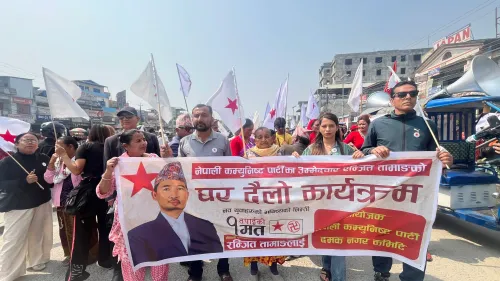
Throughout this period, activists associated with Nepal’s Gen-Z movement have persistently urged the government to release the findings of the probe panel.
“Following the unauthorized leak of the report, the government decided late Wednesday to make public not only the Karki commission’s conclusions but also the High-Level Investigation Commission reports on the Nepal Child Organisation and Balmandir from 2020, in addition to the Good Governance Roadmap for 2025, produced by the Office of the Prime Minister and the Council of Ministers,” reported The Kathmandu Post on Thursday morning.
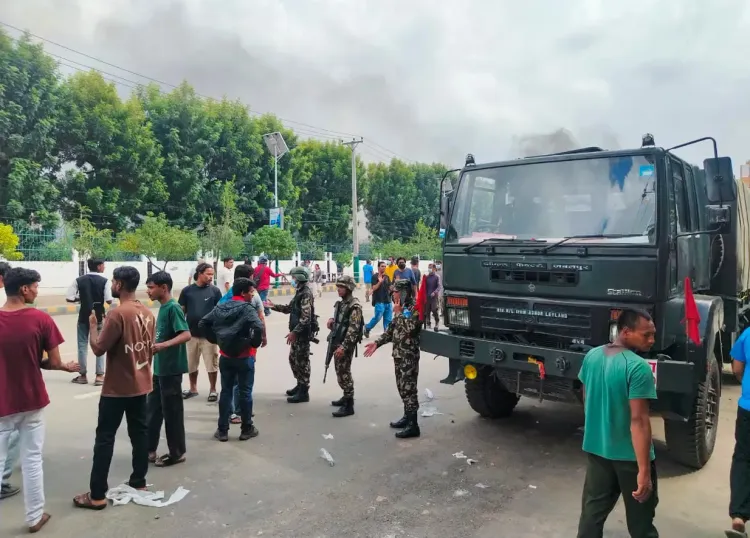
The protests in September 2025 arose from escalating frustrations among the youth—referred to as 'Gen Z'—over issues like unemployment, corruption, and the government's perceived neglect of their future.
What began in Kathmandu soon spread to various regions of Nepal, as students, activists, and young professionals rallied under banners calling for transparency, job creation, and electoral reforms.
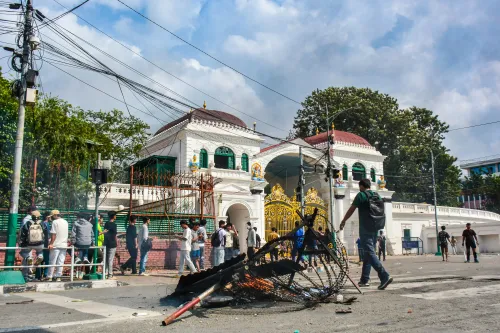
However, this civic movement rapidly devolved into violent clashes.
Security forces resorted to tear gas, batons, and even live ammunition on several occasions, resulting in numerous deaths and injuries.
In light of public anger, the government established an independent inquiry commission in late 2025, led by former judge Gauri Bahadur Karki.
The commission was instructed to investigate the underlying causes of the protests, the command structure behind the violent crackdown, and to propose accountability measures.
Over a span of six months, the committee interviewed hundreds of witnesses, scrutinized security logs, and assessed governmental communications.
The commission's findings implicated former Prime Minister K. P. Sharma Oli and then-Home Minister Ramesh Lekhak, holding them directly accountable for the authorization of excessive force, with recommendations for criminal prosecution.
According to leaked excerpts reported by The Kathmandu Post, both leaders were found to have directed security forces to 'neutralize' the protests, prioritizing the stability of their regime over the rights of citizens.
“The judicial commission's report addressing the September Gen Z protests indicates that the Nepali Army had prior awareness that the demonstration on September 8 could escalate dangerously,” it was revealed on Thursday after the report was publicly disclosed.
The Nepal Police and Armed Police Force faced criticism for their disproportionate reactions and failure to adhere to international crowd control standards.
The report highlighted instances where live ammunition was deployed without provocation, contradicting official narratives that claimed the protesters initiated violence.
The Karki Committee's report has suggested a need for institutional reform within security forces to ensure accountability.
Beyond immediate culpability, the report pointed to deeper socio-economic issues fueling the protests. Chronic unemployment, the increasing cost of living, and inadequate political representation for the youth created a foundation for unrest.
Media outlets like Fiscal Nepal have linked these grievances to broader structural challenges, including insufficient opportunities in Nepal's IT and export sectors.
The probe panel has called for reforms, advocating for economic policies aimed at job creation in emerging industries. Articles highlighted the political implications, noting that the recommendation for criminal charges against a former Prime Minister is historically unprecedented in Nepal's democratic landscape.
However, civil society advocates argue that the report confirms long-standing concerns about impunity.
“For years, leaders have avoided accountability for their actions. This report presents a crucial opportunity to change that narrative,” stated one activist quoted in The Kathmandu Post.
Social media has been ablaze with reactions from young Nepalis, combining celebration with skepticism.
“We fought, we bled, and now they acknowledge it. But will they ever be held accountable?” read one popular post.
Point of View
The recent release of the probe report into the September protests in Nepal has the potential to reshape political accountability and ignite discussions on the socio-economic challenges faced by the youth. This critical moment calls for a comprehensive understanding of the factors leading to such unrest and the responsibilities of those in power.
NationPress
6 Oct 2026
Frequently Asked Questions
What triggered the September protests in Nepal?
The protests were sparked by widespread frustration among the youth over unemployment, corruption, and the government's perceived inaction regarding their future.
Who led the inquiry commission investigating the protests?
The inquiry commission was headed by former Justice Gauri Bahadur Karki.
What were the key findings of the Karki Commission report?
The report implicated former Prime Minister K. P. Sharma Oli and then-Home Minister Ramesh Lekhak for authorizing excessive force during the protests and recommended criminal prosecution against them.
What measures has the government proposed following the report?
The report suggests institutional restructuring of security forces to ensure accountability and calls for economic policies aimed at job creation in emerging sectors.
How has the public responded to the release of the report?
Reactions have been mixed, with celebrations from some youth activists coupled with skepticism regarding actual accountability for those in power.