Hanwha Aerospace plant explosion: 5 dead, joint probe launched in Daejeon
Synopsis
Five workers are dead after an explosion ripped through a Hanwha Aerospace propellant-cleaning operation in Daejeon — and it is reportedly not the first such fatal incident at the facility. With police, prosecutors, and labour authorities now running parallel probes, the blast is shaping up as a defining test of South Korea’s industrial safety accountability in its defence sector.
Key Takeaways
A Hanwha Aerospace factory in Daejeon suffered a deadly explosion, killing 5 workers and injuring 2 others .
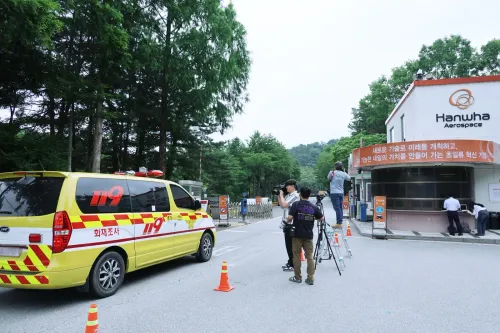
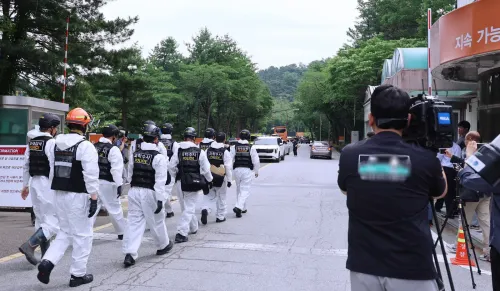
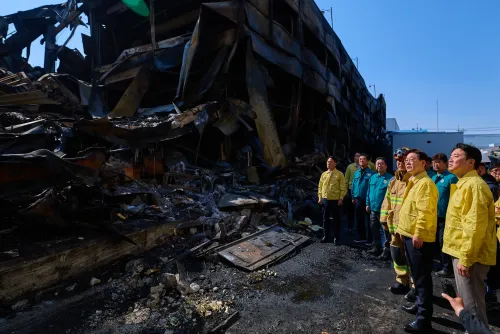
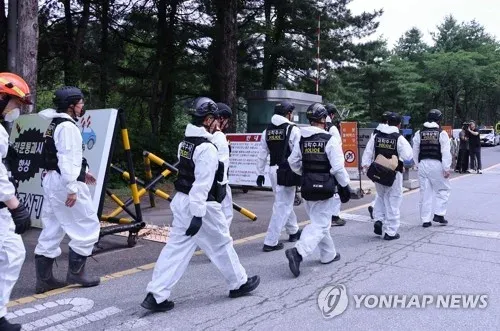
A joint inspection was launched on Tuesday, 3 June , involving police, fire service, forensic experts, and labour authorities.
Workers were reportedly cleaning propellant powder residue from production tools when the blast occurred.
Labour Minister Kim Young-hoon personally joined the inspection and vowed a thorough probe.
The Daejeon District Prosecutors’ Office formed a dedicated team to identify the cause and those responsible.
This is described as the latest in a series of deadly explosions at the Hanwha Aerospace facility.
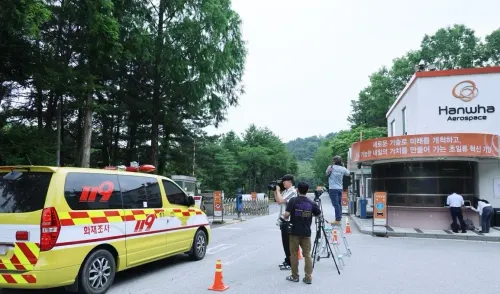
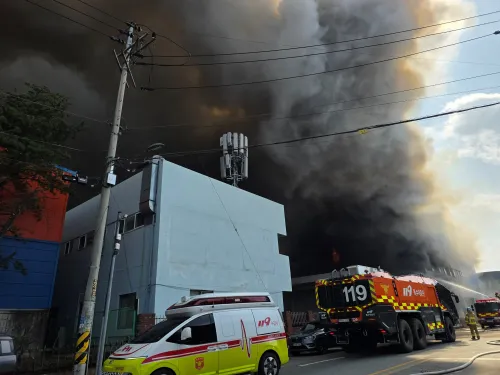
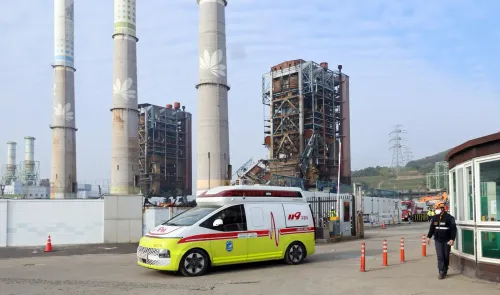
South Korean authorities launched a joint inspection on Tuesday, 3 June of a Hanwha Aerospace factory in Daejeon, following a deadly explosion the previous day that killed five workers and injured two others. The blast struck the defence company's facility located approximately 140 kilometres south of Seoul, triggering a multi-agency response.
Scale of the Joint Inspection
The inspection team comprised officials from the Daejeon Metropolitan Police Agency, the fire service, the National Forensic Service, the labour ministry, and the Korea Occupational Safety and Health Agency. Investigators are working to pinpoint the exact ignition source and determine whether flammable materials were improperly stored or handled at the scene.
What Hanwha Officials Said
According to a company official who spoke at a press briefing, workers were cleaning propellant powder residue from tools used in producing propulsion systems when the explosion occurred. “Various tools are used in the process of producing rocket propellant, and it appears that the explosion occurred while cleaning the propellant residue (left on the tools),” the official said. The building where the blast took place sustained partial structural damage but is not at risk of collapse, according to police.
Government Response and Prosecution
Labour Minister Kim Young-hoon, who joined the inspection in person, pledged a thorough investigation. In a post on X, the minister wrote: “Through a thorough probe, (we) will fulfil our duty as the living.” Separately, the Daejeon District Prosecutors’ Office announced the formation of a dedicated investigation team to determine the cause of the blast and identify those responsible. Firefighters had fully extinguished the blaze by 1:07 pm local time on the day of the explosion.
A Pattern of Deadly Incidents
Notably, this is not the first fatal explosion at a Hanwha Aerospace facility. The company, which develops large propulsion engines and tactical surface-to-surface weapon systems, has faced scrutiny over safety practices at its manufacturing plants before. This latest incident renews pressure on both the company and South Korean regulators to strengthen occupational safety protocols in the defence manufacturing sector.
What Comes Next
Investigators are expected to conduct forensic analysis of the blast site, with findings likely to inform both criminal proceedings and potential regulatory action. The parallel tracks — police, prosecutors, and labour authorities — signal that accountability will be pursued at multiple levels. Industry observers will be watching whether the probe leads to stricter safety mandates for facilities handling explosive propellants.
Point of View
Which raises a harder question: why did it take multiple deaths for a multi-agency inspection to be convened? South Korea’s defence manufacturing sector operates under considerable strategic pressure to scale output, and that pressure can erode safety margins. The parallel involvement of police, prosecutors, and labour regulators is encouraging, but the real test is whether findings lead to enforceable change or another round of pledges. With propellant-handling at the centre of the blast, the probe must also examine whether cleaning protocols for rocket propulsion tools met international standards — and whether workers were adequately trained and equipped.
NationPress
16 Oct 2026
Frequently Asked Questions
What caused the Hanwha Aerospace explosion in Daejeon?
The explosion is suspected to have occurred while workers were cleaning propellant powder residue from tools used in producing rocket propulsion systems. A company official confirmed this at a press briefing, though the exact ignition source is still under investigation by South Korean authorities.
How many people were killed or injured in the Hanwha Aerospace blast?
Five workers were killed and two others were injured in the explosion at the Hanwha Aerospace facility in Daejeon. The blast occurred on 2 June, with the joint inspection launched the following day.
Which agencies are investigating the Daejeon factory explosion?
The investigation involves the Daejeon Metropolitan Police Agency, the National Forensic Service, the fire service, the labour ministry, and the Korea Occupational Safety and Health Agency. The Daejeon District Prosecutors’ Office has also formed a dedicated team to determine criminal responsibility.
Is the Hanwha Aerospace building at risk of collapse after the blast?
No. Police confirmed that while the building where the explosion occurred sustained partial structural damage, it is not at risk of collapse.
Has Hanwha Aerospace had previous explosions at this facility?
Yes. Reports indicate this is the latest in a series of deadly explosions at the Hanwha Aerospace facility in Daejeon, which develops large propulsion engines and tactical surface-to-surface weapon systems. The recurrence has drawn renewed scrutiny over safety practices at the plant.