Did Hanwha Aerospace Secure a Key Role in Developing South Korea's Lunar Lander Propulsion System?
Synopsis
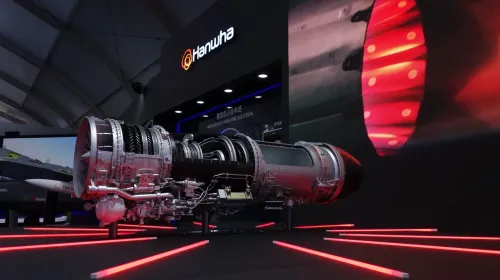
Hanwha Aerospace is set to play a pivotal role in South Korea's lunar ambitions by developing the propulsion system for its first lunar lander, scheduled for launch in 2032. With a contract worth $71.5 million, the company aims to leverage over 30 years of aerospace experience to secure independent lunar exploration capabilities.
Key Takeaways
Hanwha Aerospace has secured a $71.5 million contract.
The propulsion system is for South Korea's first lunar lander .
Launch is scheduled for 2032 .
Collaboration with Korea Aerospace Research Institute .
A lunar communication orbiter is planned for 2029 .
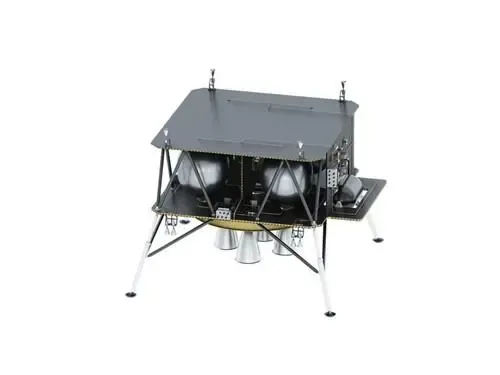
Seoul, December 29 (NationPress) - Hanwha Aerospace has secured a lucrative contract worth $71.5 million (103.3 billion won) to develop the propulsion system for South Korea's inaugural lunar lander, set for launch in 2032, as announced by the company on Monday.
In collaboration with the state-owned Korea Aerospace Research Institute, Hanwha Aerospace will take charge of the production, assembly, and testing of essential propulsion components, including the engine and attitude control thrusters, through to 2032, according to Yonhap news agency.
This South Korean aerospace and defense leader has been instrumental in developing crucial spacecraft propulsion systems for the nation's space initiatives since the launch of the Arirang-1 multipurpose satellite back in 1994.
The technologies and infrastructure derived from the lunar lander project are expected to have future applications in subsequent space exploration endeavors.
An official from Hanwha Aerospace stated that the company is committed to enhancing South Korea's independent lunar exploration capabilities, leveraging over 30 years of experience in the aerospace sector.
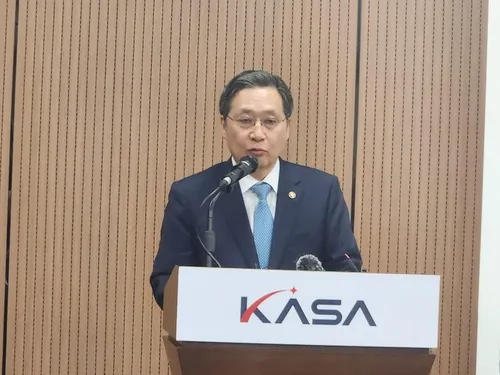
Earlier this month, the Korea Aerospace Administration (KASA) outlined plans to launch a lunar communication orbiter in 2029 and a lunar lander in 2032 as part of its comprehensive space exploration strategy, as reported by Yonhap.
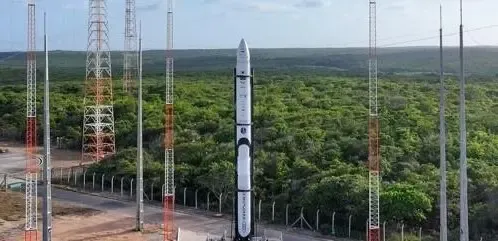
KASA Administrator Yoon Young-bin highlighted that the agency will undertake the 2029 orbiter mission utilizing the domestically developed Nuri rocket.
Just last month, South Korea successfully completed the fourth launch of its homegrown space launch vehicle, successfully placing 13 satellites into orbit.
He also noted that establishing deep-space communications technology through the lunar communication orbiter will lay the groundwork for the goal of dispatching an unmanned lunar lander by 2032.
A lunar communications orbiter is critical for moon missions, as communication with Earth from the far side of the moon is unfeasible.
According to Young-bin, KASA intends to conduct at least one Nuri launch annually through 2032 to elevate its success rate to over 90% and aims to develop a reusable next-generation launch vehicle by 2035.
Point of View
This development signifies a monumental step forward for South Korea in the realm of space exploration. By leveraging decades of expertise, Hanwha Aerospace is not only contributing to national pride but is also establishing the framework for future advancements in aerospace technology. This project aligns with the nation's long-term aspirations to achieve independence in lunar exploration.
NationPress
2 Oct 2026
Frequently Asked Questions
What is the value of the contract won by Hanwha Aerospace?
The contract is worth $71.5 million , equivalent to 103.3 billion won.
When is the lunar lander expected to launch?
The lunar lander is planned for launch in 2032 .
What components will Hanwha Aerospace develop?
Hanwha Aerospace will develop the propulsion system, including the engine and attitude control thrusters.
What is the significance of the lunar communication orbiter?
The lunar communication orbiter will be crucial for ensuring communication with Earth, especially from the far side of the moon.
How does this project affect South Korea's space exploration capabilities?
This project aims to enhance South Korea's independent lunar exploration capabilities and could impact future space missions.