Hasina marks 2004 Dhaka grenade attack: '24 killed, 300 injured in brutal chapter'
Synopsis
Twenty-one years on, the 2004 Dhaka grenade attack — which killed 24 and maimed hundreds at an Awami League rally — remains Bangladesh's most contested political wound. Sheikh Hasina's anniversary statement is not just an act of remembrance; it is a pointed counter-narrative against those she says have re-emerged since August 2024 to rewrite the country's history.
Key Takeaways
Former Bangladesh PM Sheikh Hasina marked the 22nd anniversary of the 21 August 2004 grenade attack on an Awami League rally in Dhaka .
The attack killed 24 party leaders and activists, including Ivy Rahman , and injured over 300 others, many left permanently disabled.
Hasina, then opposition leader, narrowly survived with ear injuries she reportedly still suffers from.
The Awami League has alleged the attack was carried out by Harkat Ul Jihad (HuJI) at the behest of the then BNP -Jamaat-e-Islami coalition government.
Hasina used the anniversary to criticise political developments following 5 August 2024 , alleging a resurgence of anti-independence forces and violence against Awami League members.
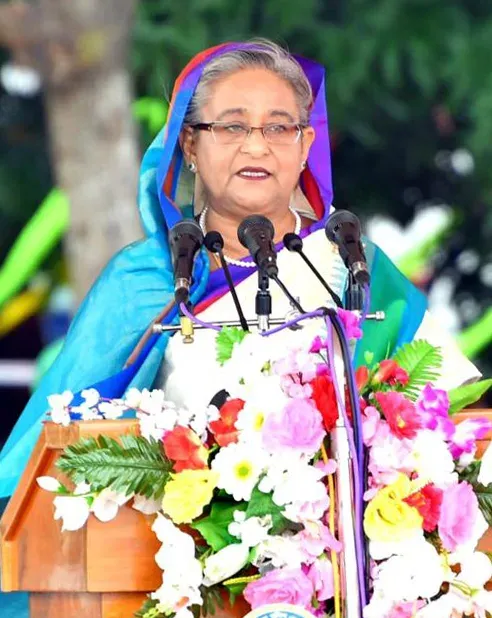
Former Bangladesh Prime Minister Sheikh Hasina on 21 August 2025 marked the 22nd anniversary of the deadly grenade attack on an Awami League rally at Bangabandhu Avenue in Dhaka, calling it one of the most 'brutal and shameful' chapters in Bangladesh's history. The attack on 21 August 2004 killed 24 leaders and activists and left over 300 others with splinter injuries, according to the Awami League.
What Happened on 21 August 2004
Grenades were hurled at an Awami League public rally on Bangabandhu Avenue in central Dhaka, killing 24 party leaders and activists, including Ivy Rahman — then chief of the Mohila Awami League and wife of former Bangladesh President Zillur Rahman. More than 300 attendees sustained splinter wounds, and according to the party, many of those injured were left permanently disabled.
Hasina, who was the opposition leader at the time, narrowly survived the attack, sustaining ear injuries from which she reportedly continues to suffer. The Awami League has alleged that the attack was orchestrated by terrorist outfit Harkat Ul Jihad (HuJI) at the direction of the then Bangladesh Nationalist Party (BNP)-Jamaat-e-Islami coalition government — an allegation the party has consistently maintained over two decades.
Hasina's Statement: 'Aimed at Destroying Democratic Politics'
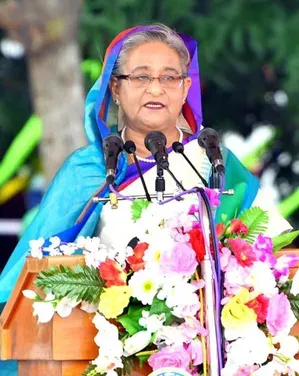
In a statement shared on the Awami League's official account on social media platform X, Hasina described the attack as a deliberate attempt to derail Bangladesh's democratic order. 'The attack sought to destroy our democratic politics and once again bring the politics of confrontation into the mainstream — a trajectory that had begun with the assassination of Bangabandhu Sheikh Mujibur Rahman and his family on August 15,' she said.
Hasina also pushed back against what she characterised as misinformation. 'We are subjected to propaganda claiming that we were responsible for destroying democracy in Bangladesh,' she stated, urging the younger generation to examine the country's history independently and objectively.
Addressing Bangladesh's youth directly, she posed a series of pointed historical questions: 'Look at who carried out the August 15 assassination. Who killed the four national leaders inside a secured prison? Who seized state power illegally by establishing military rule? Who enacted the Indemnity Ordinance? Who formed the so-called ‘King’s Party’? Who sought to eliminate political opponents through grenade attacks in an attempt to consolidate their grip on power?'
Hasina's Remarks on Post-August 5, 2024 Bangladesh
The former prime minister also directed sharp criticism at the political developments that followed 5 August 2024, when she departed Bangladesh amid a mass uprising. 'Those who have repeatedly sought to steer Bangladesh along an anti-independence political trajectory re-emerged on the political stage after August 5, 2024,' she alleged.
Hasina further claimed that the events of that day were aimed at her personally and at dismantling the Awami League. 'Deceiving the people and conspiring to assassinate me and destroy the Awami League were the principal objectives of August 5. Further evidence of this is the killing of numerous leaders and activists of our party across the country since August 5, along with physical attacks and baseless cases brought against them,' she said.
Pledge to Build 'Sonar Bangla'
Concluding her statement, Hasina reaffirmed the Awami League's commitment to the vision of Bangabandhu Sheikh Mujibur Rahman — a 'secular, modern, and welfare-oriented Bangladesh,' often referred to as 'Sonar Bangla.' She said the party would remain steadfast in overcoming all obstacles to realise that vision.
The anniversary comes at a particularly charged moment in Bangladesh's politics, with the Awami League operating under significant pressure following the political transition of August 2024. How the party navigates this period — and whether its narrative of the 2004 attack gains renewed traction — will shape the country's political discourse in the months ahead.
Point of View
1975 assassination of Sheikh Mujibur Rahman and then to the events of August 2024, she is constructing a single arc of persecution — a narrative that serves the Awami League's current need to reframe its ouster as conspiracy rather than democratic verdict. The allegations against HuJI and the BNP-Jamaat government have been litigated in Bangladeshi courts, but the political context in which they are now being invoked has shifted dramatically. With the Awami League under pressure and Hasina abroad, the anniversary risks being read less as history and more as an opening move in a long campaign to return.
NationPress
21 Aug 2026
Frequently Asked Questions
What was the 21 August 2004 grenade attack in Dhaka?
The 21 August 2004 grenade attack targeted an Awami League rally on Bangabandhu Avenue in Dhaka, killing 24 party leaders and activists and injuring over 300 others. The Awami League has alleged the attack was carried out by terrorist group Harkat Ul Jihad (HuJI) at the direction of the then BNP-Jamaat-e-Islami coalition government.
Who was killed in the 2004 Dhaka grenade attack?
Among the 24 killed was Ivy Rahman, then chief of the Mohila Awami League and wife of former Bangladesh President Zillur Rahman. Many of those injured were reportedly left permanently disabled.
Did Sheikh Hasina survive the 2004 grenade attack?
Yes. Hasina, who was the opposition leader at the time, narrowly escaped the attack but sustained ear injuries from which she reportedly continues to suffer.
Why is the 22nd anniversary significant in 2025?
The anniversary comes amid heightened political tension in Bangladesh following the events of 5 August 2024, when Hasina left the country. She used her statement to allege a resurgence of anti-independence political forces and ongoing violence against Awami League members since that date.
What did Sheikh Hasina say about Bangladesh's political situation after August 2024?
Hasina alleged that forces opposed to Bangladesh's independence re-emerged after 5 August 2024, claiming the day's events were aimed at assassinating her and destroying the Awami League. She also alleged that party leaders and activists have faced killings, physical attacks, and 'baseless' legal cases since then.