What Are Activists and Political Leaders Saying About the Human Rights Crisis in Balochistan?
Synopsis
At the recent Asma Jahangir Conference in Lahore, Baloch activists and political leaders raised urgent concerns about the human rights crisis in Balochistan. Enforced disappearances, political representation, and violence against women were key topics of discussion, shedding light on the struggles faced by the Baloch community amidst ongoing state actions.
Key Takeaways
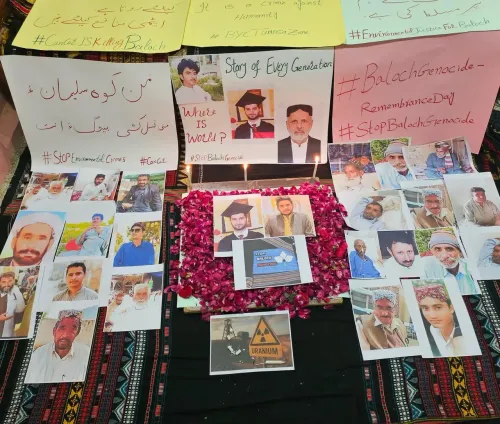
Enforced disappearances remain a critical issue in Balochistan.
Political representation is urgently needed for the Baloch people.
Activists are actively engaging with international bodies to address human rights violations.
UN officials have committed to bringing attention to these concerns.
The political landscape in Balochistan is shrinking, requiring immediate action.
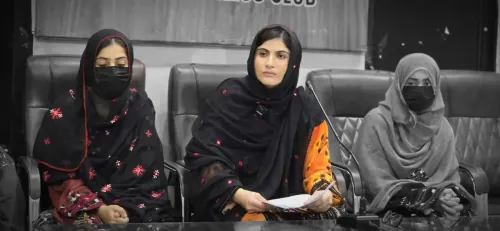
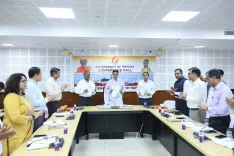
Quetta, Feb 12 (NationPress) Activists from Balochistan, alongside prominent political figures and human rights advocates, raised serious concerns regarding the human rights situation in Balochistan, emphasizing matters such as enforced disappearances and the lack of political representation at the Asma Jahangir Conference held in Lahore, as reported by local media.
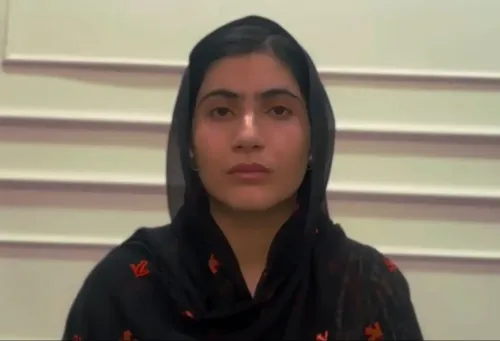
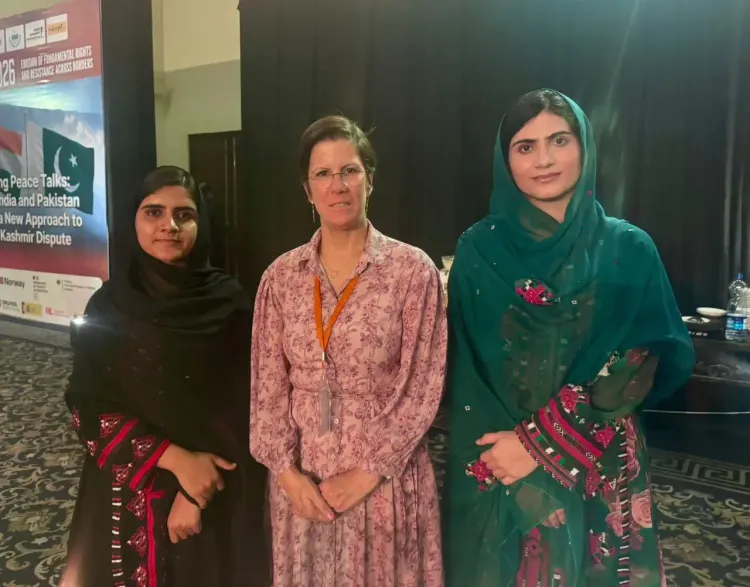
Sammi Deen Baloch, a key member of the Baloch Yakjehti Committee (BYC), attended the conference and engaged with diplomats, politicians, and journalists. The BYC utilized this platform to bring attention to what they described as critical human rights violations while voicing the perspectives of the Baloch community.
During the conference, Baloch met with several UN representatives, including Gina Romero, the UN Special Rapporteur on the rights to freedom of peaceful assembly and of association; Reem Alsalem, the UN Special Rapporteur on violence against women and girls; and Ed O’Donovan, a senior adviser to the UN Special Rapporteur on the situation of human rights defenders. The Balochistan Post reported on these interactions.
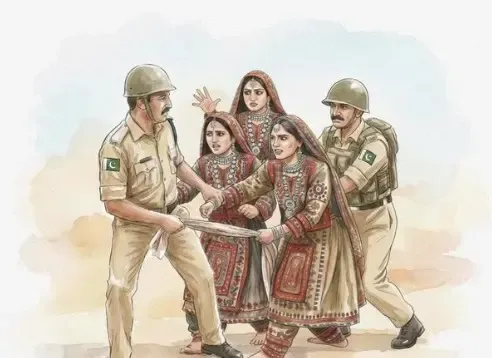
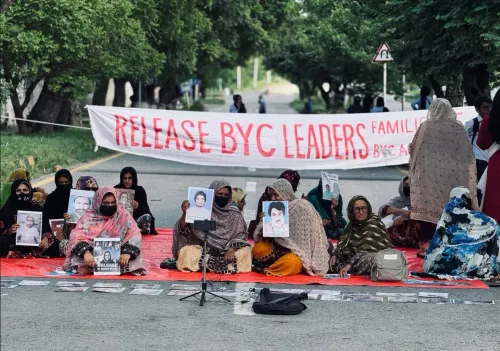
In these discussions, Sammi Deen Baloch expressed that there are significant restrictions on peaceful assembly and freedom of expression in Balochistan, with citizens facing barriers to protest or voice dissent against state actions. She highlighted concerns regarding violence against Baloch women, including the enforced disappearances of women and minors, as well as what she referred to as unlawful arrests.
She also addressed the systematic targeting of human rights defenders, citing instances of threats, harassment, arbitrary arrests, and even killings, mentioning individuals like Mahrang Baloch, Beebo Baloch, and Gulzadi Baloch. According to a statement from the BYC, UN representatives expressed their worries over reported human rights abuses and pledged to raise these issues in relevant UN forums.
During the conference, Sardar Akhtar Mengal, the head of the Balochistan National Party (BNP), spoke about the precarious security situation in Balochistan. He noted that groups labeled as militants by the government are viewed as protectors by local residents.
He pointed out that when security forces enter towns, residents often feel compelled to stay indoors, while armed Baloch groups are received with a different sentiment. He also referenced past agreements concerning Balochistan, particularly an agreement between the Khan of Kalat and Muhammad Ali Jinnah, stressing that commitments regarding autonomy have not been honored, as reported by The Balochistan Post.
Abdul Malik Baloch, a former chief minister of Balochistan, remarked that he frequently hears about missing persons during his visits to constituents, describing the situation as alarming. He urged the government and political leaders to find urgent and sustainable solutions to these issues.
Baloch emphasized that viewing Balochistan solely as a security issue could exacerbate the crisis, advocating for political dialogue and the inclusion of elected representatives. He raised concerns regarding the diminishing political space for parties in Balochistan and Khyber Pakhtunkhwa, as reported by The Balochistan Post.
Later in the conference, protests erupted following remarks made by Pakistan's former interior minister, Rana Sanaullah, regarding Balochistan and enforced disappearances. Participants objected to his comments as he seemed to condone enforced disappearances in the context of militancy. In response to the ongoing disagreement, numerous attendees, including activist Sheema Kermani and Sammi Deen Baloch, walked out of the event.
Point of View
It's essential to recognize the gravity of the human rights issues presented during the Asma Jahangir Conference. The concerns raised by Baloch activists and political leaders reflect a broader struggle for justice and representation in Balochistan. It's crucial for the national discourse to focus on these challenges and seek meaningful solutions that uphold human rights and foster political dialogue.
NationPress
17 Sept 2026
Frequently Asked Questions
What are the main human rights issues in Balochistan?
The primary human rights issues in Balochistan include enforced disappearances, violence against women, unlawful arrests, and restrictions on freedom of expression and peaceful assembly.
What was the Asma Jahangir Conference about?
The Asma Jahangir Conference served as a platform for activists, political leaders, and human rights advocates to discuss pressing human rights concerns, particularly in Balochistan.
Who is Sammi Deen Baloch?
Sammi Deen Baloch is a central member of the Baloch Yakjehti Committee, actively involved in raising awareness about human rights violations in Balochistan.
What actions did the UN representatives take regarding the concerns raised?
UN representatives expressed concern over the reported human rights violations and committed to highlighting these issues at relevant UN forums.
What did Balochistan's leaders say about the political situation?
Balochistan's leaders emphasized the need for political dialogue, inclusion of elected representatives, and urgent solutions to address the ongoing crisis.