Are Human Rights Abuses in Balochistan a Form of Slow Genocide?
Synopsis
Human rights abuses in Balochistan have reached alarming levels, with activists like Beebow Baloch highlighting systemic neglect by authorities. The normalization of violence and enforced disappearances paints a grim picture of life in the region, raising urgent questions about global complicity and the future of Baloch culture.
Key Takeaways
Systemic neglect by Pakistani authorities exacerbates the situation in Balochistan.
The enforced disappearance of civilians, especially men and women, is a chilling reality.
The normalization of violence has led to a frightening acceptance of such abuses.
Global inaction on these issues raises serious ethical concerns.
Confronting the situation in Balochistan is a profound question of conscience for the international community.
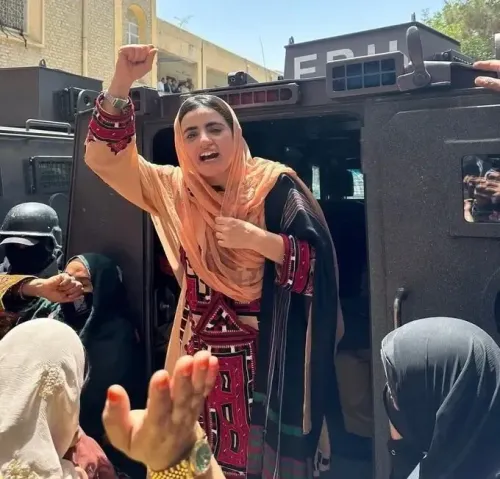
Quetta, Jan 28 (NationPress) Human rights advocate and Baloch Yakjehti Committee member, Beebow Baloch, emphasized that the treatment of civilians in Balochistan is not that of rights-holding individuals but rather of a problem to be controlled, with their identities diminished to a perceived threat rather than a culture worthy of respect.
Along with the dehumanization of Baloch civilians, the activist pointed out the harsh reality of systemic neglect by Pakistani authorities.
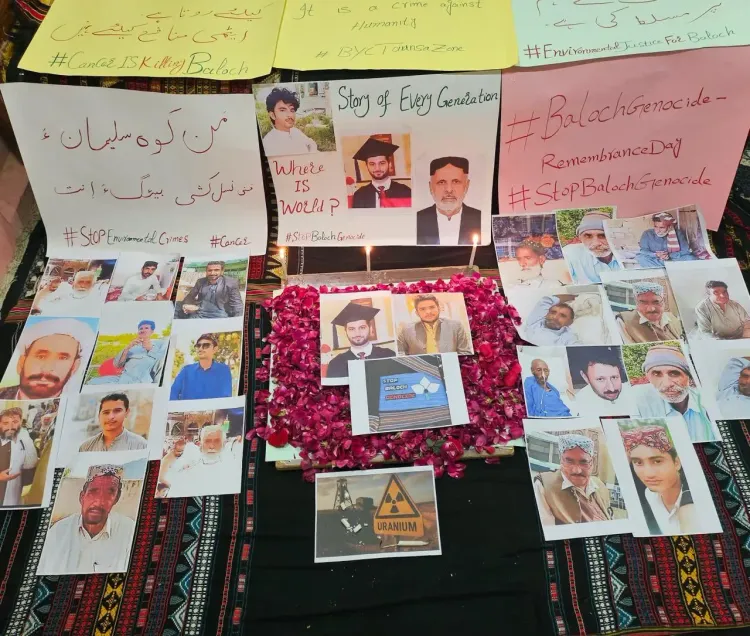
She insisted that the resources taken from Balochistan support development in other regions, while Baloch students vanish from their classrooms, only to be found later as mutilated remains discarded by the roadside.
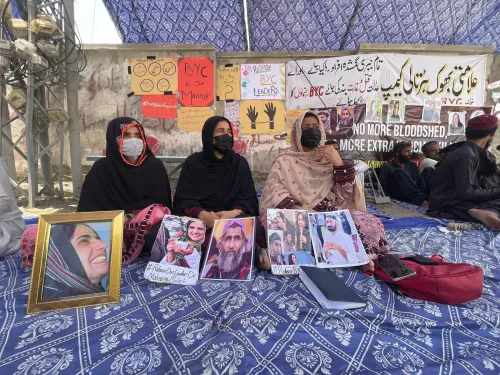
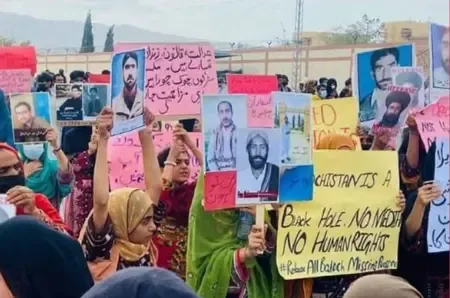
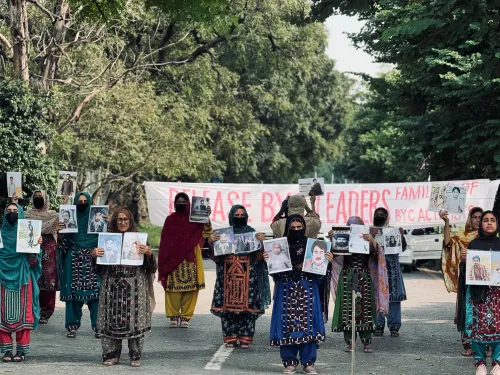
Beebow also revealed a “ruthless pattern” involving the enforced disappearance of Baloch men by Pakistani security forces throughout the province.
“The pattern is chillingly familiar: unmarked vehicles, faceless agents, and the state’s categorical denial of involvement. Families navigate endless legal mazes, searching for answers that seldom arrive. All too often, this search culminates in despair, with the discovery of a dismembered body in a desolate area, the grim hallmark of the ‘kill and dump’ strategy. This is not just murder; it is a message, a proclamation of utter disregard for human life,” she articulated.
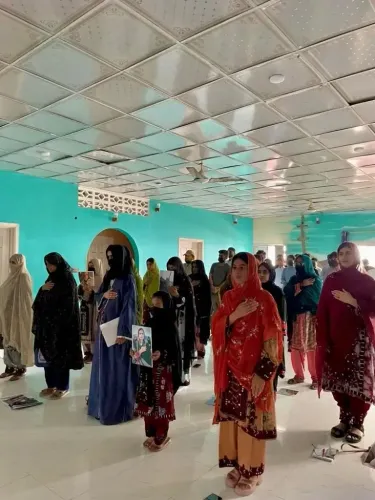
Highlighting these atrocities, Beebow indicated that the “deeper horror” lies in how such abuses have become normalized over the past two decades, forming what she referred to as a “terrifying sense of acceptance.”
“What once sparked outrage is now anticipated. A generation has matured with the knowledge that a knock at the door could lead to a permanent, unexplained disappearance. Courts seem either unable or unwilling to act. Media focus wanes. The broader public, if they notice at all, retreats behind the rationale that the situation is ‘too complex.’ This crime is not confronted; it is absorbed into daily life, its brutality dulled by familiarity,” she stressed.
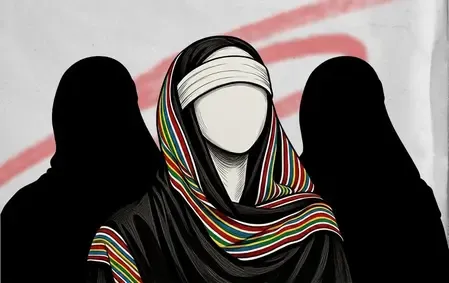
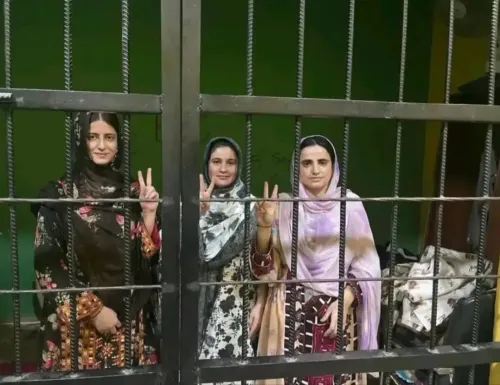
Beebow asserted that the machinery of enforced disappearance utilized by Pakistani forces is now intentionally targeting Baloch women, describing this shift as both “strategic and devastating.”
“If men were seen as threats, women are perceived as the foundation of family, memory, and future. Their abduction indicates that all remaining boundaries have been breached, that dehumanization is now complete. No one is secure. No boundary remains unbroken,” the human rights advocate remarked.
“This is the way life bends under a slow genocide. It does not announce itself with a sudden disaster but weighs down relentlessly on the ordinary,” she added.
Regarding the international reaction to this crisis, Beebow noted that it has increasingly transitioned from muted concern to silent acceptance, effectively becoming complicity through inaction.
Questioning when repeated atrocities will cease to shock the world and what silence allows, Beebow stated that confronting the reality of Balochistan necessitates facing a profound “question of conscience.”
Point of View
We strive to uphold the principles of human rights and social justice. We recognize the severe challenges faced by the people of Balochistan and stand in solidarity with those advocating for justice and accountability in the face of systemic abuses.
NationPress
29 Sept 2026
Frequently Asked Questions
What are the main human rights issues in Balochistan?
The main human rights issues in Balochistan include enforced disappearances, systemic neglect by authorities, and violence against civilians, particularly targeting men and women.
Who is Beebow Baloch?
Beebow Baloch is a human rights activist and a member of the Baloch Yakjehti Committee, advocating for the rights of Baloch people and raising awareness about the atrocities occurring in the region.
What is the significance of enforced disappearances in Balochistan?
Enforced disappearances in Balochistan are significant as they represent a systematic approach to suppress dissent and instill fear within the community, leading to a culture of silence and acceptance of violence.
How has the global response changed regarding Balochistan's human rights crisis?
The global response has shifted from muted concern to silent acceptance, with many turning a blind eye to the ongoing abuses, which raises questions about complicity through inaction.
What implications do these human rights abuses have on Baloch culture?
The human rights abuses threaten the very fabric of Baloch culture, as enforced disappearances and violence disrupt families and communities, leading to a loss of identity and heritage.