IMF Urges Philippines for Targeted Fiscal Measures Amid Energy Crisis
Synopsis
The IMF calls for the Philippines to refine its fiscal response to the energy crisis, highlighting the constraints posed by rising public debt. With economic support critical for vulnerable sectors, the need for strategic resource management is emphasized as growth projections are revised downward.
Key Takeaways
IMF recommends targeted fiscal response for the Philippines.
Public debt has surged to 60% of GDP.
Growth forecast revised to 4.1% for 2026.
US Treasury extends waiver for Russian oil sales.
Global oil prices dropped 9% recently.
Jakarta, April 18 (NationPress) The International Monetary Fund (IMF) has urged the Philippines to implement a more focused fiscal strategy to tackle its current energy crisis, cautioning that limited budgetary buffers hinder the government's capacity to deliver widespread economic assistance, particularly to the most disadvantaged groups, as reported by local media on Saturday.
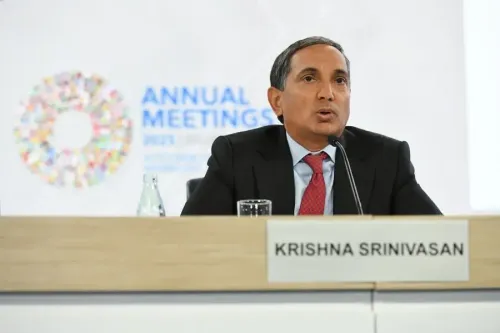
As per local media reports, Krishna Srinivasan, director of the IMF's Asia and Pacific Department, stated at a recent press briefing that the rising public debt, now approximately 60% of the nation's gross domestic product, increased from 41.5% prior to the COVID-19 pandemic, has diminished fiscal flexibility.
Srinivasan recommended that the Philippines optimize its fiscal buffers, highlighting the necessity to focus aid on the most at-risk sectors, as reported by Xinhua.
He emphasized the importance for the Philippines and other economies reliant on imports with limited oil and gas reserves to judiciously manage resources in light of global fuel price fluctuations.
In its recent World Economic Outlook, the IMF has revised its growth projection for the Philippines in 2026 to 4.1%, a significant reduction from the 5.6% forecast made in January, reflecting increasing external pressures and domestic limitations.
Additionally, the United States Department of the Treasury has extended a waiver that allows for the delivery and sale of sanctioned Russian oil already on vessels, with the deadline pushed to May 16, as per a document on its official site. This follows the expiration of a previous 30-day waiver on April 11.
The renewed license, issued on Friday (local time), is part of a broader initiative by the administration to stabilize global energy prices, which have surged due to the ongoing US-Israeli conflict with Iran.
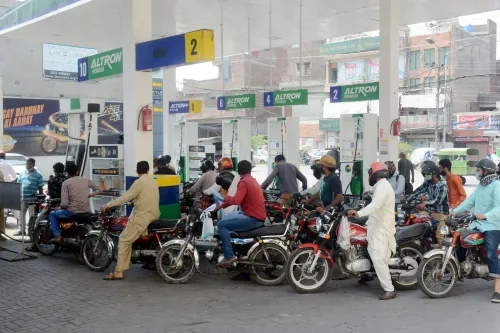
This decision is made amid several countries grappling with the repercussions of escalating energy costs and supply interruptions.
At the same time, the waiver continues to enforce stringent restrictions on transactions with specific nations. This development comes shortly after statements by US Treasury Secretary Scott Bessent, indicating that Washington does not plan to maintain such waivers indefinitely amidst rising geopolitical tensions.
Meanwhile, global oil prices experienced a steep decline of approximately 9% on Friday, settling near $90 per barrel after Iran temporarily reopened the Strait of Hormuz, a vital energy transit route worldwide.
However, the ongoing conflict has already triggered what the International Energy Agency described as the most severe disruption to global energy supplies in history.
The conflict, now in its eighth week, has reportedly inflicted damage on over 80 oil and gas facilities across West Asia.
Point of View
It's vital to recognize the IMF's recommendations as a wake-up call for the Philippine government. The rising debt levels and the urgent need for targeted fiscal measures could significantly impact the nation’s economic stability and its most vulnerable citizens. A proactive approach is essential.
NationPress
19 Sept 2026
Frequently Asked Questions
What fiscal measures did the IMF recommend for the Philippines?
The IMF recommends a more targeted fiscal response to the energy crisis, focusing on efficient use of budget buffers to aid the most vulnerable sectors.
How has public debt changed in the Philippines?
Public debt in the Philippines has risen to approximately 60% of GDP, up from 41.5% before the COVID-19 pandemic, limiting fiscal flexibility.
What is the IMF's growth forecast for the Philippines in 2026?
The IMF has downgraded its growth forecast for the Philippines in 2026 to 4.1%, down from a previous projection of 5.6%.
What recent action did the US Treasury take regarding Russian oil?
The US Treasury extended a waiver allowing the delivery and sale of sanctioned Russian oil, pushing the deadline to May 16.
How have global oil prices been affected recently?
Global oil prices saw a sharp decline of around 9%, settling near $90 per barrel due to the reopening of the Strait of Hormuz.