India-Vietnam air connectivity talks advance bilateral ties in Hanoi
Synopsis
India is running two diplomatic tracks with Vietnam simultaneously — aviation officials in Hanoi rewrote air connectivity rules while EAM Jaishankar finalised defence, trade, and pharma deals in New Delhi, all within the same week. The pace signals that the India-Vietnam Enhanced Comprehensive Strategic Partnership is being activated on the ground, not just on paper.
Key Takeaways
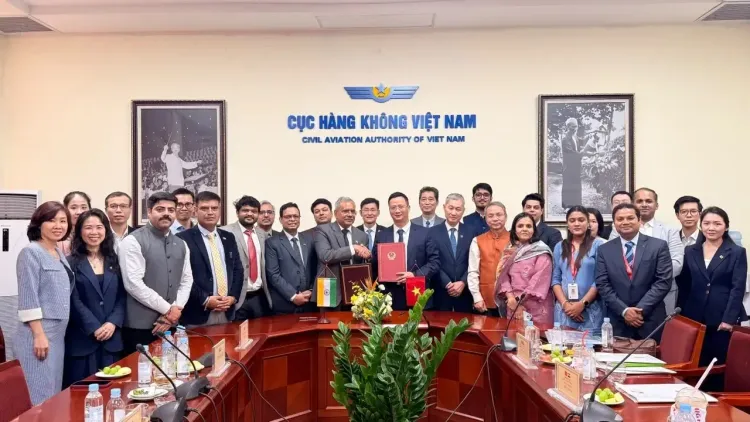
India's Ministry of Civil Aviation delegation met Vietnam's CAAV in Hanoi on 17–18 September 2026 to advance the India–Vietnam Air Services Agreement .
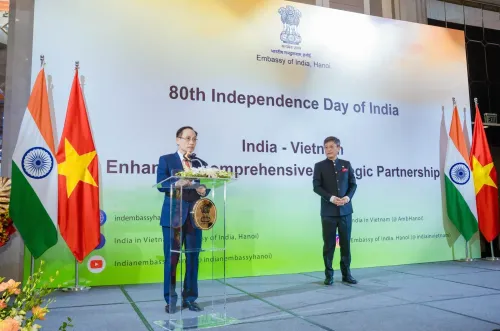
Enhanced air connectivity is described as a key pillar of the India–Vietnam Enhanced Comprehensive Strategic Partnership .
EAM S Jaishankar and Vietnamese FM Le Hoai Trung co-chaired the 19th India-Vietnam Joint Commission Meeting in New Delhi earlier this week.
Talks covered defence exports ( Made-in-India defence articles ), trade, investment, pharmaceuticals, agriculture, energy, and cultural projects.
Jaishankar called Vietnam 'a key partner' of India's Look East, ASEAN, Indo-Pacific, MAHASAGAR and Global South policies.
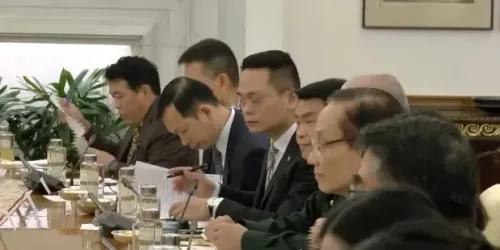
A delegation from India's Ministry of Civil Aviation visited Hanoi on 17–18 September 2026 and held formal discussions with the Civil Aviation Authority of Vietnam (CAAV) on the India–Vietnam Air Services Agreement, in a move aimed at expanding direct flight links between the two countries. The Embassy of India in Hanoi confirmed the visit, noting that enhanced air connectivity will inject fresh momentum into trade, tourism, investment, and people-to-people exchanges.
What the Talks Covered
The two-day consultations focused on revising and strengthening the bilateral air services framework, which governs route rights, frequencies, and airline designations between India and Vietnam. According to the Embassy, connectivity is a core pillar of the India–Vietnam Enhanced Comprehensive Strategic Partnership — a status the two countries elevated their relationship to in recent years. Officials indicated that expanded flight links would directly benefit travellers, exporters, and investors on both sides.
Broader Diplomatic Momentum
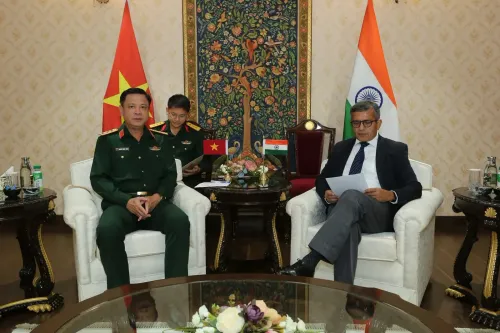
The aviation talks follow closely on the heels of high-level diplomatic engagement earlier this week. External Affairs Minister S Jaishankar and his Vietnamese counterpart Le Hoai Trung co-chaired the 19th India-Vietnam Joint Commission Meeting (JCM) in New Delhi on Monday. Jaishankar described the session as 'productive and outcome-oriented', saying it covered political, defence, and security cooperation, as well as trade, investment, supply chains, energy, pharmaceuticals, agriculture, and cultural heritage projects.
Notably, the meeting addressed increasing the supply of Made-in-India defence articles to Vietnam — a significant step as India seeks to expand its defence exports under its Act East and Indo-Pacific policies. Jaishankar also stressed Vietnam's importance under India's MAHASAGAR vision and its Comprehensive Strategic Partnership with ASEAN.
What Jaishankar Said
In a post on X following the Joint Commission Meeting, Jaishankar outlined the outcomes: 'Strengthened India-Vietnam political, defence and security cooperation. Increased supply of Made-in-India defence articles. Enabled a constructive discussion on trade, investment and supply chains. Expanded market access of our marine, agricultural products and pharmaceuticals. Discussed deepening energy cooperation. Promoted heritage conservation and cultural projects.' He added: 'Vietnam is a key partner of our Look East, ASEAN, Indo-Pacific, MAHASAGAR and Global South policies.'
Strategic Context
India's intensified engagement with Vietnam reflects a broader pattern of deepening ties with Southeast Asian nations amid evolving Indo-Pacific dynamics. Vietnam, strategically located along key shipping lanes and bordering China, is seen by New Delhi as a vital partner in diversifying supply chains and countering regional influence. This is the second major bilateral engagement between the two countries within a single week — a pace that signals deliberate diplomatic acceleration rather than routine diplomacy.
What Comes Next
The outcome of the CAAV discussions is expected to feed into a revised Air Services Agreement, though no signing timeline was announced. Observers will watch for new route announcements and airline designations as the agreement is formalised. The twin tracks of aviation connectivity and defence supply — alongside trade and pharma market access — suggest the India-Vietnam relationship is broadening well beyond its historical political foundation.
Point of View
Making market access for Made-in-India arms a genuinely consequential line item. What mainstream coverage underplays is how the MAHASAGAR framing — India's maritime neighbourhood outreach — repositions Vietnam not just as an Act East partner but as part of India's Indian Ocean strategy. Whether expanded air routes and a few defence deals translate into a durable strategic relationship will depend on execution, particularly on trade imbalances that Vietnam has historically been cautious about widening.
NationPress
18 Sept 2026
Frequently Asked Questions
What is the India-Vietnam Air Services Agreement?
The India-Vietnam Air Services Agreement is a bilateral framework governing flight routes, frequencies, and airline designations between the two countries. Indian civil aviation officials met their Vietnamese counterparts in Hanoi on 17–18 September 2026 to discuss strengthening this agreement and expanding direct air connectivity.
What was decided at the 19th India-Vietnam Joint Commission Meeting?
The meeting, co-chaired by EAM S Jaishankar and Vietnamese FM Le Hoai Trung in New Delhi, covered defence cooperation, increased supply of Made-in-India defence articles, trade, investment, supply chains, energy, pharmaceuticals, agriculture, and cultural heritage projects. Jaishankar described it as 'productive and outcome-oriented'.
Why is Vietnam important to India's foreign policy?
Vietnam is a key partner under India's Act East policy, ASEAN engagement, Indo-Pacific vision, MAHASAGAR maritime outreach, and Global South positioning. Its strategic location along major shipping lanes and its willingness to deepen defence ties make it a significant node in India's Southeast Asia strategy.
Will new direct flights between India and Vietnam be announced soon?
No signing timeline for a revised Air Services Agreement was announced following the Hanoi talks. New routes and airline designations are expected once the agreement is formally updated, but the process timeline has not been made public.
What are Made-in-India defence articles being supplied to Vietnam?
Specific items were not publicly disclosed at the Joint Commission Meeting. The two sides agreed in principle to increase the supply of Made-in-India defence articles to Vietnam, as part of India's broader push to expand defence exports to trusted strategic partners in Southeast Asia.