India, Saudi Arabia push parliamentary ties; Shura Council meeting held
Synopsis
India and Saudi Arabia are quietly building an institutional layer to their strategic partnership — moving beyond oil and remittances into parliamentary diplomacy, defence cooperation, and climate collaboration. A flurry of senior-level meetings through September, capped by Ambassador Vipul's Shura Council visit on 29 September, signals that both sides want a relationship that is harder to unwind.
Key Takeaways
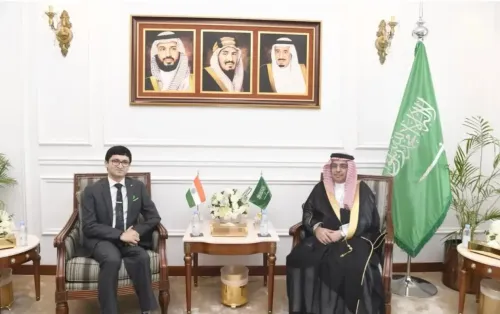
Ambassador Vipul met Shura Council Speaker Abdullah Al Al-Sheikh in Riyadh on 29 September to discuss parliamentary cooperation.
The Saudi-Indian Parliamentary Friendship Committee chair, Major General Dr.
Abdulrahman Al-Harbi , attended the Shura Council reception.
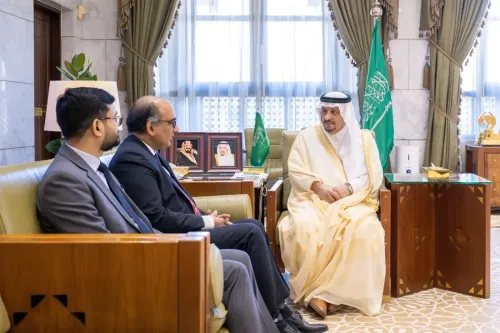
On 20 September , Vipul met Riyadh Governor Prince Faisal bin Bandar to discuss trade, investment, energy, and people-to-people ties.
On 10 September , Vipul held defence cooperation talks with Assistant Minister of Defence Khaled bin Hussain Al Biyari .
MoS for External Affairs Kirti Vardhan Singh visited Saudi Arabia from 5–8 September , meeting senior ministers on climate, environment, and bilateral relations.
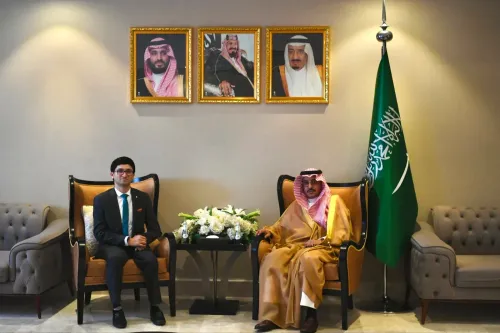
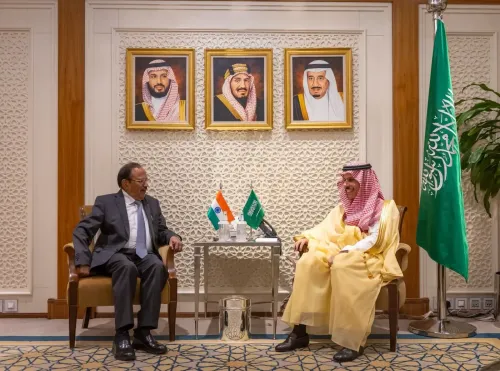
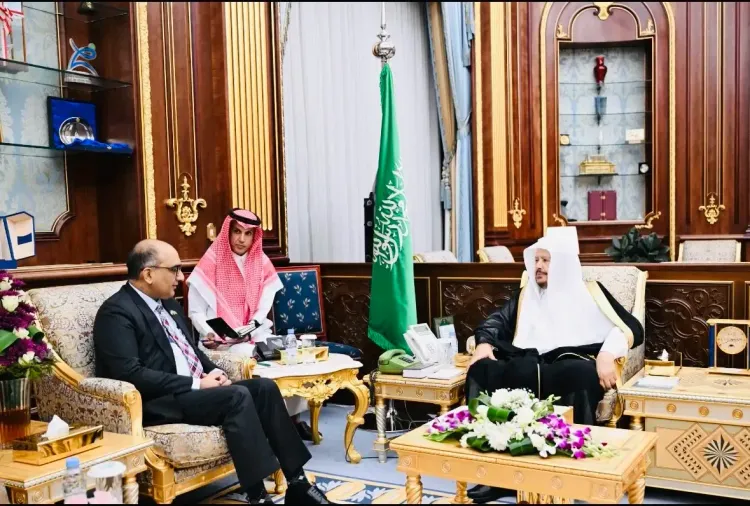
India and Saudi Arabia held high-level discussions on 29 September 2026 to deepen parliamentary cooperation, as India's Ambassador to Saudi Arabia, Vipul, met Shura Council Speaker Abdullah Al Al-Sheikh in Riyadh. The meeting underscored the two countries' intent to build on their strategic partnership across multiple domains, with a particular focus on institutionalising ties between the Indian Parliament and the Saudi Shura Council.
What Was Discussed
According to a post shared by the Indian Embassy in Saudi Arabia on X, the meeting covered 'the strategic partnership between India and Saudi Arabia with particular emphasis on strengthening parliamentary cooperation and exchanges.' The two delegations also reviewed issues of mutual interest spanning trade, diplomacy, and regional developments.
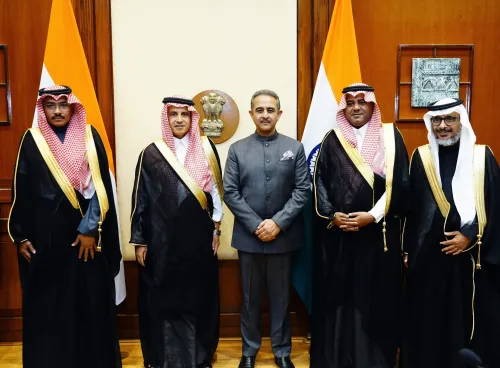
The Shura Council confirmed in its own post on X that Major General Dr. Abdulrahman Al-Harbi, Chairman of the Saudi-Indian Parliamentary Friendship Committee, attended the reception. The Shura Council noted that bilateral relations were reviewed 'along with ways to strengthen them in various fields; particularly the parliamentary relations between the Shura Council and the Indian Parliament, in a manner that serves common interests.'
A Pattern of Deepening Engagement
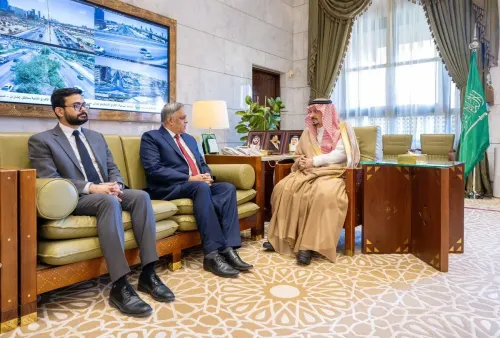
The parliamentary meeting is the latest in a string of senior-level diplomatic contacts between the two nations. On 20 September, Ambassador Vipul called on Riyadh Governor Prince Faisal bin Bandar bin Abdulaziz Al Saud at the Emirate of Riyadh Province, where discussions focused on trade, investment, energy, technology, education, culture, and people-to-people relations. The ambassador also thanked the Governor for the 'continued support and care extended to the Indian community in Saudi Arabia,' according to the Indian Embassy's X post.
Earlier on 10 September, Vipul held talks with Saudi Arabia's Assistant Minister of Defence, Khaled bin Hussain Al Biyari, covering India-Saudi defence cooperation and regional developments. Both sides reaffirmed their 'commitment to further strengthening the strategic partnership,' the Indian Embassy stated.
Ministerial Visit Sets the Tone
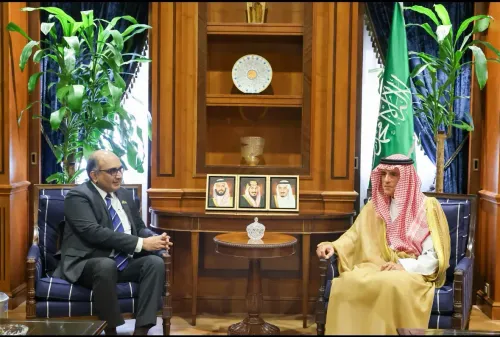
Union Minister of State for External Affairs Kirti Vardhan Singh had paid an official visit to Saudi Arabia from 5 to 8 September, laying significant groundwork for the subsequent diplomatic activity. During that trip, Singh met Saudi Arabia's Vice Minister of Environment, Water and Agriculture Mansour Hilal Al Mushaiti to discuss bilateral cooperation on environment and climate action. He also held talks with Saudi Arabia's Minister of State for Foreign Affairs and Climate Envoy Adel al-Jubeir, with both sides reviewing what they described as the 'excellent' state of bilateral ties.
Singh visited the Al Fanar Company labour camp and met Indian workers, hailing their contribution to strengthening India-Saudi relations and reiterating the government's commitment to the welfare of the Indian diaspora abroad.
Why It Matters
This cluster of engagements reflects a deliberate effort to broaden the India-Saudi relationship beyond its traditional energy and remittance pillars. Parliamentary diplomacy — formalising ties at the legislative level — adds an institutional layer that is harder to reverse than executive-level agreements alone. Notably, Saudi Arabia hosts one of the largest Indian expatriate communities in the world, making the welfare dimension of these talks a domestic concern for millions of Indian families. With both nations eyeing expanded cooperation in defence, climate, and technology, the Shura Council meeting signals that the relationship is maturing well beyond oil.
Point of View
Defence and technology in the middle, and now parliamentary diplomacy at the top. The inclusion of the Shura Council is notable because legislative ties create continuity across government changes. What is less clear is whether these engagements will translate into binding agreements on the labour welfare front, where Indian workers in Gulf countries have long operated with limited protections. The government's signalling on diaspora welfare is welcome, but the test lies in the follow-through.
NationPress
30 Sept 2026
Frequently Asked Questions
What did India and Saudi Arabia discuss in the 29 September Riyadh meeting?
India's Ambassador to Saudi Arabia, Vipul, met Shura Council Speaker Abdullah Al Al-Sheikh on 29 September to discuss strengthening parliamentary cooperation and exchanges between the Indian Parliament and the Shura Council. The two sides also reviewed broader bilateral ties and issues of mutual interest.
What is the Shura Council and why does its engagement with India matter?
The Shura Council is Saudi Arabia's legislative advisory body, roughly analogous to a parliament. Formal ties between the Shura Council and India's Parliament add an institutional dimension to the bilateral relationship that can outlast changes in executive leadership, making the partnership more durable.
What other high-level India-Saudi meetings took place in September 2026?
Ambassador Vipul met Riyadh Governor Prince Faisal bin Bandar on 20 September and Assistant Minister of Defence Khaled bin Hussain Al Biyari on 10 September. Additionally, Minister of State for External Affairs Kirti Vardhan Singh visited Saudi Arabia from 5 to 8 September, meeting ministers on climate and bilateral ties.
What sectors were highlighted in the India-Saudi Arabia talks?
Across the various meetings in September 2026, the two sides discussed cooperation in trade, investment, energy, technology, education, culture, people-to-people relations, defence, environment, and climate action. Parliamentary relations were the specific focus of the 29 September Shura Council meeting.
Why is India's outreach to Saudi Arabia significant for the Indian diaspora?
Saudi Arabia hosts one of the largest Indian expatriate communities in the world. During his September visit, Minister Kirti Vardhan Singh met Indian workers at the Al Fanar Company labour camp and reaffirmed the government's commitment to diaspora welfare — a concern that directly affects millions of Indian families dependent on remittances from the Gulf.