India-Saudi Arabia ties set to scale new heights: Ambassador-designate Vipul
Synopsis
India's incoming Ambassador to Saudi Arabia, Vipul, has signalled a confident push to deepen one of India's most consequential Gulf partnerships — one that spans energy, diaspora welfare, and now active West Asia crisis diplomacy. His appointment arrives at a moment of acute regional volatility, with PM Modi and Crown Prince MBS already in direct contact over the Iran conflict.
Key Takeaways
Ambassador-designate Vipul was appointed India's Ambassador to Saudi Arabia by the MEA on 2 June , transitioning from his current posting in Qatar .
Vipul described India-Saudi ties as 'historic, special, and strategic,' citing a decade of strengthening relations.
Both nations engage regularly under the Strategic Partnership Council , including at the ministerial level.
PM Narendra Modi spoke with Crown Prince Mohammed bin Salman on 28 March , condemning attacks on regional energy infrastructure and stressing freedom of navigation.
The West Asia conflict, triggered by US-Israeli strikes on Iran on 28 February , remains a key concern shaping India-Saudi diplomatic engagement.
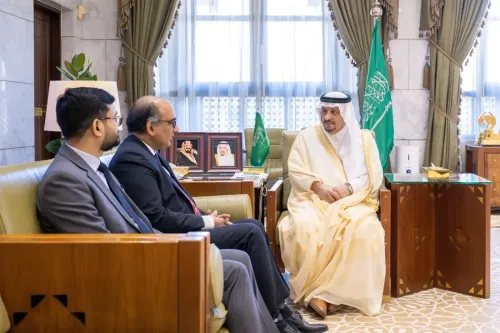
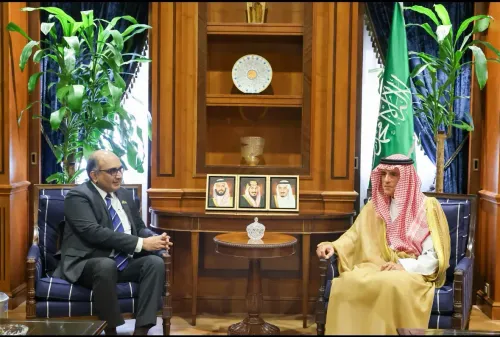
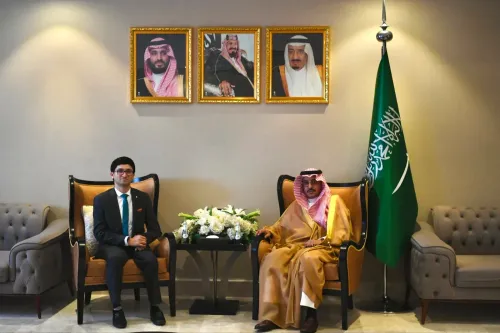
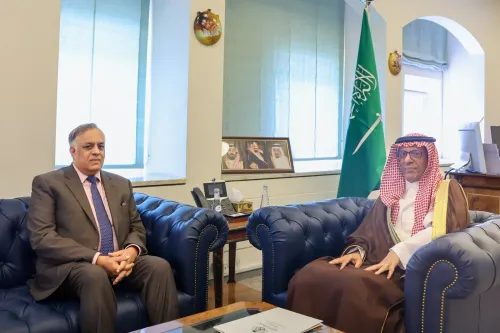
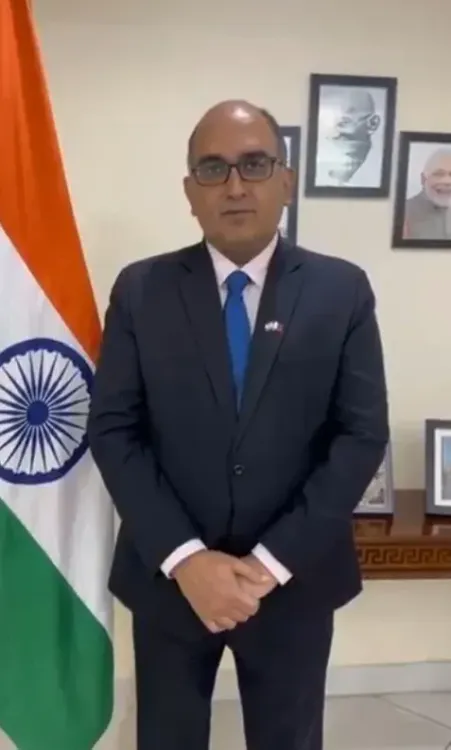
Ambassador-designate Vipul, appointed to lead the Indian Embassy in Saudi Arabia, has described the bilateral relationship as 'historic, special, and strategic,' expressing confidence that ties between the two nations will reach new heights in the coming years. His remarks came ahead of his formal assumption of charge in Riyadh, in an interview published on 11 August.
A Diplomat's Assessment of Bilateral Ties
Vipul, who is currently serving as India's Ambassador to Qatar, was appointed to the Saudi Arabia post by the Ministry of External Affairs (MEA) on 2 June. He said he feels 'honoured and privileged' to have been entrusted with the responsibility.
'Our relationship is historic, it's special and, of course, it is strategic,' Vipul said. He noted that the interests of both nations 'converge and always intersect,' and stressed the importance of strengthening the strategic relationship given the current regional situation.
'I only see our relationship going further, going to newer heights in the coming years. Over the last decade, our relationship has really strengthened,' he added.
Strategic Partnership and Ministerial Engagement
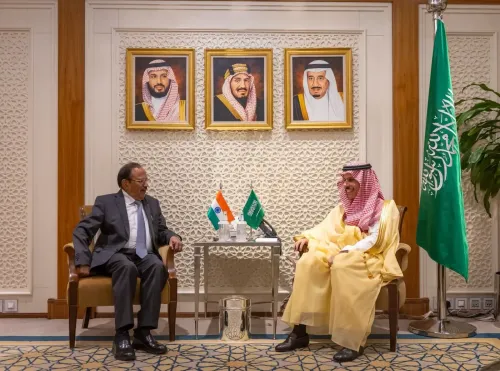
The ambassador-designate highlighted that India and Saudi Arabia have remained closely connected at the highest political levels, with regular meetings held under the Strategic Partnership Council, including at the ministerial level. He noted that relations between the two nations have strengthened across various sectors over the past three years.
This institutional framework — the Strategic Partnership Council — was established in 2019 and has since served as the primary vehicle for structured bilateral engagement, covering trade, energy, security, and diaspora welfare.
West Asia Conflict and Regional Stability
Vipul described the regional situation in West Asia as 'very concerning to everyone across the world,' and underscored the importance of India and Saudi Arabia remaining in close contact. When asked whether the two countries could cooperate to help restore stability in the region, he said: 'There has been a constant touch at the leadership level between our countries. It's very important that we have stability in the region, and that essentially for India, it is the development which is the most important for the country.'
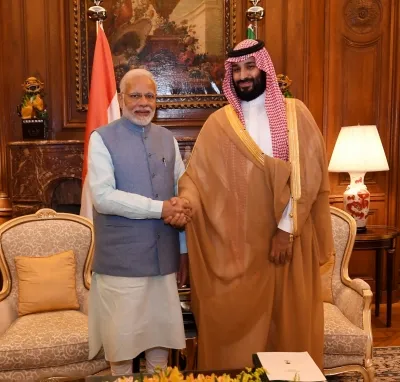
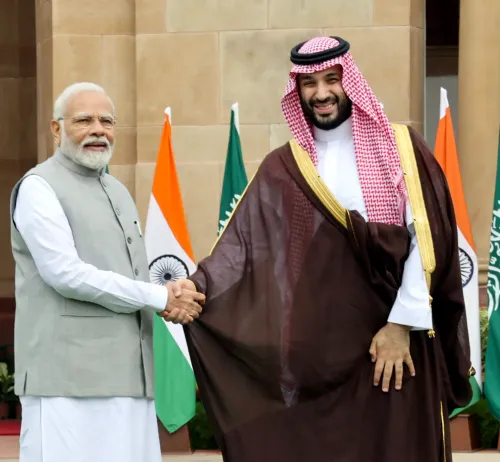
The backdrop to these remarks is significant. On 28 March, Prime Minister Narendra Modi held a telephonic conversation with Saudi Arabia's Crown Prince Mohammed bin Salman, during which they discussed the ongoing conflict in West Asia — a conflict that erupted following US-Israeli strikes on Iran on 28 February, which reportedly killed Iran's Supreme Leader Ayatollah Ali Khamenei and senior military officials. Iran subsequently launched drone and missile attacks targeting US and Israeli facilities, regional capitals, and allied forces across West Asia.
What PM Modi Said
Following his call with Crown Prince Mohammed bin Salman, Prime Minister Modi posted on X: 'Spoke with Crown Prince and PM of Saudi Arabia, HRH Prince Mohammed bin Salman and discussed the ongoing conflict in West Asia. I reiterated India's condemnation of attacks on regional energy infrastructure.'
Modi added: 'We agreed on the need to ensure freedom of navigation and keeping shipping lines open and secure. Thanked him for his continued support for the welfare of the Indian community in Saudi Arabia.'
The Indian diaspora in Saudi Arabia — one of the largest in the Gulf — remains a key pillar of the bilateral relationship, with remittances and community welfare forming a consistent thread in high-level diplomatic exchanges.
What to Watch
With Vipul set to assume charge shortly, attention will turn to whether India and Saudi Arabia can deepen cooperation on energy security, trade, and regional de-escalation at a time when West Asia remains volatile. The Strategic Partnership Council's next ministerial-level meeting is expected to set the agenda for the coming year.
Point of View
Combined with a diaspora of over two million, means New Delhi has concrete stakes in regional calm that go well beyond diplomatic optics. What is less clear is whether the Strategic Partnership Council, which has mostly operated at a transactional level, can be elevated into a genuine crisis-management channel. With Iran's retaliatory posture reshaping Gulf security calculus, India's traditional policy of 'strategic autonomy' — maintaining ties with both Riyadh and Tehran — faces its sharpest stress test in years. How Vipul navigates that tightrope will define the real substance of this posting.
NationPress
25 Sept 2026
Frequently Asked Questions
Who is Vipul and why is his Saudi Arabia appointment significant?
Vipul is a senior Indian diplomat currently serving as India's Ambassador to Qatar, appointed by the Ministry of External Affairs on 2 June to be India's next Ambassador to Saudi Arabia. The posting is significant given Saudi Arabia's role as a key energy supplier, host to a large Indian diaspora, and a central player in West Asia's evolving security landscape.
What is the India-Saudi Arabia Strategic Partnership Council?
The Strategic Partnership Council is the primary institutional framework governing India-Saudi Arabia bilateral relations, established in 2019. It facilitates structured engagement across trade, energy, security, and diaspora welfare, including regular ministerial-level meetings between the two countries.
What did PM Modi discuss with Saudi Crown Prince Mohammed bin Salman?
On 28 March, PM Modi spoke with Crown Prince Mohammed bin Salman to discuss the ongoing West Asia conflict. Modi condemned attacks on regional energy infrastructure, stressed the need for freedom of navigation and open shipping lanes, and thanked the Crown Prince for his support for the Indian community in Saudi Arabia.
How does the West Asia conflict affect India-Saudi relations?
The conflict — which erupted after US-Israeli strikes on Iran on 28 February reportedly killed Iran's Supreme Leader — has heightened the urgency of India-Saudi diplomatic coordination. India has stakes in regional stability through its energy imports, diaspora welfare, and shipping route security, making close contact with Riyadh a strategic necessity.
When will Ambassador-designate Vipul take charge in Saudi Arabia?
Vipul is expected to assume charge at the Indian Embassy in Saudi Arabia shortly after his appointment on 2 June, though an exact date has not been officially confirmed.