India-US Indo-Pacific defence talks: Army chiefs meet, Yudh Abhyas reviewed
Synopsis
India's Army Chief and a senior USARPAC general met in New Delhi on 28 September to assess Indo-Pacific security and review Yudh Abhyas 2026 — while the Defence Secretary simultaneously hosted a bipartisan US Congressional delegation focused on defence industrial cooperation. The three-track engagement on the same day signals that India-US defence ties are now being prosecuted at military, diplomatic, and legislative levels in tandem.
Key Takeaways
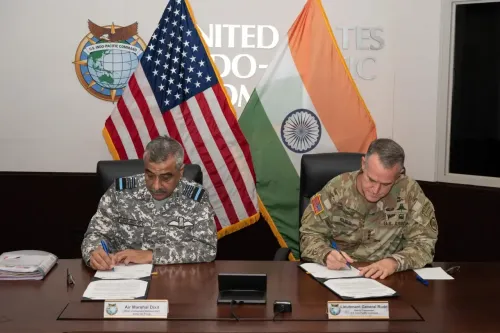
General Dhiraj Seth and Lt Gen Joel B Vowell (USARPAC) met in New Delhi on 28 September 2026 to discuss Indo-Pacific security and bilateral defence engagement.
Defence Secretary Rajesh Kumar Singh separately met a bipartisan US Congressional delegation led by Representative Brian Mast , focusing on defence industrial and technological cooperation.
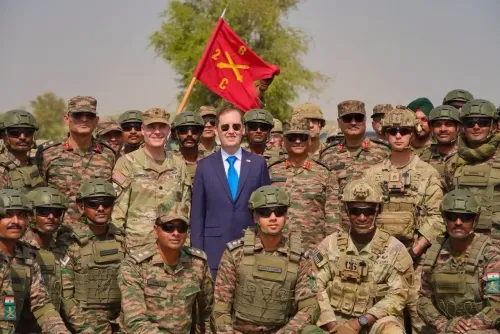
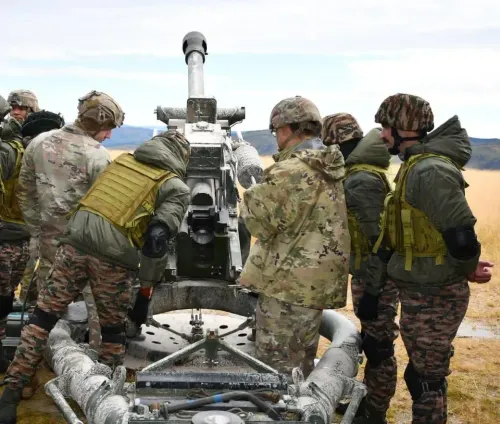
Exercise Yudh Abhyas 2026 was highlighted as validating joint operational synergy between Indian and US Army contingents at Mahajan Field Firing Range, Rajasthan .
US Ambassador Sergio Gor attended the exercise and publicly praised the strength of the India-US defence partnership on X.
Both sides agreed to advance interoperability through expanded joint training and military exercises across multiple domains.
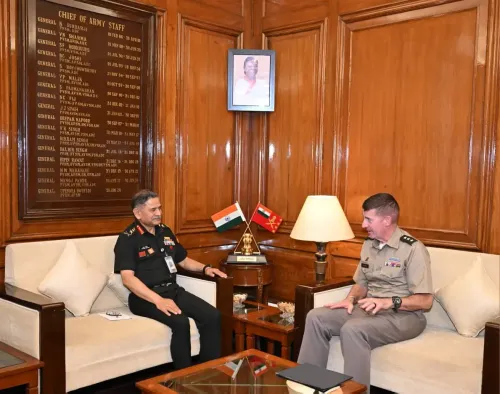
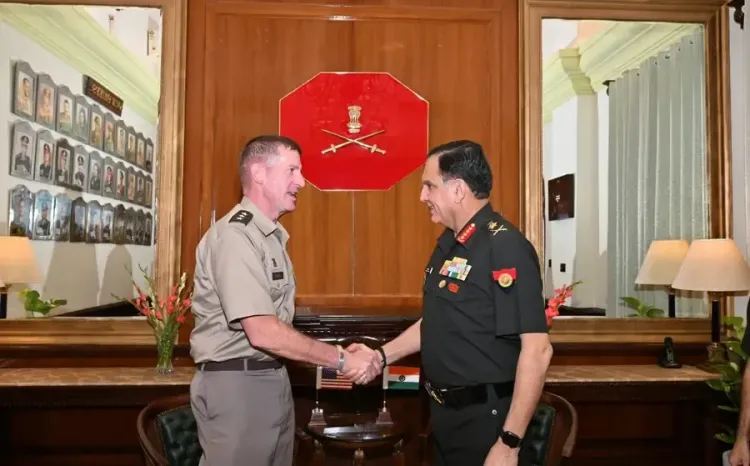
Indian Army Chief General Dhiraj Seth and Lieutenant General Joel B Vowell, Deputy Commanding General of United States Army Pacific (USARPAC), held high-level talks in New Delhi on 28 September 2026, exchanging assessments on the evolving security landscape in the Indo-Pacific and exploring avenues to advance bilateral defence engagement across multiple domains.
Key Discussions at the Army Leadership Meet
According to a post on X by the Indian Army, the two leaders focused specifically on measures to enhance interoperability through joint training and military exercises. The statement noted that the successful conduct of Exercise Yudh Abhyas had 'validated the seamless synergy of joint operations and reaffirmed the commitment of both Armies towards strengthening military-to-military cooperation.'
The meeting underscores a sustained pattern of institutional dialogue between the two armies, with both sides keen to translate strategic alignment into operational readiness across shared theatres.
Defence Secretary Meets US Congressional Delegation
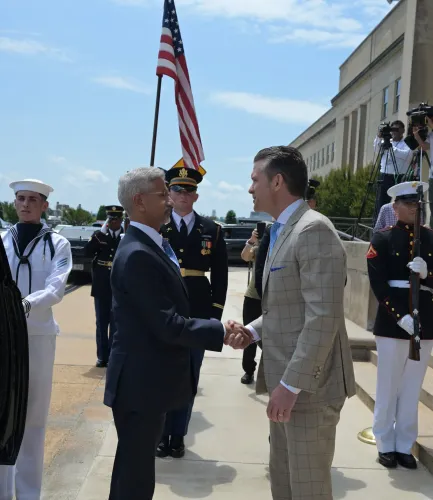
Separately, Defence Secretary Rajesh Kumar Singh on Monday held discussions with a bipartisan US Congressional delegation led by Representative Brian Mast, Chairman of the House Foreign Affairs Committee. The talks, confirmed by the Ministry of Defence on X, centred on deepening the India-US Comprehensive Global Strategic Partnership, with particular emphasis on defence industrial and technological cooperation.
The congressional outreach signals that defence ties are receiving legislative-level attention in Washington — a significant marker given that technology transfer and co-production agreements require US Congressional clearances.
Yudh Abhyas 2026: On-Ground Interoperability
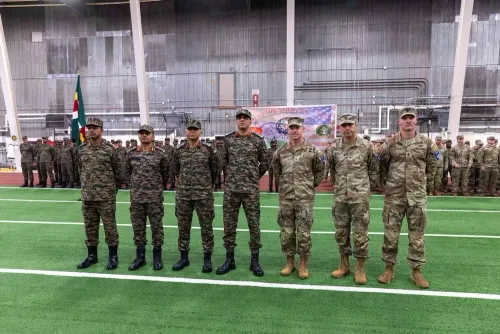
The bilateral diplomacy comes in the wake of Exercise Yudh Abhyas 2026, where Indian and US Army contingents trained side by side at the Mahajan Field Firing Range in Rajasthan, working across multiple platforms and operational scenarios. The exercise sharpened interoperability and deepened mutual understanding of tactics, techniques, and procedures on both sides.
US Ambassador to India Sergio Gor, who witnessed the exercise firsthand, posted on X: 'Impressive to see US and Indian forces training together at Mahajan Field Firing Range. This exercise reflects the strength of our defence partnership: trust, readiness, interoperability, and shared purpose. Proud of what US Army and Indian Army are achieving together.'
Why This Moment Matters
This comes amid heightened strategic competition in the Indo-Pacific, with the Quad framework gaining operational weight and China's military assertiveness drawing closer attention from both New Delhi and Washington. India's simultaneous engagement at the military leadership, diplomatic, and legislative levels of the US government reflects a maturing defence architecture — one that goes well beyond periodic joint exercises.
Notably, the synchronisation of ground-level military training with top-tier political and institutional dialogue is increasingly characteristic of India-US defence engagement in recent years, distinguishing it from more transactional partnerships in the region.
What Comes Next
The outcomes of these engagements are expected to feed into ongoing negotiations on defence co-production and technology-sharing agreements. With the India-US Defence Acceleration Ecosystem (INDUS-X) framework already in motion, observers will watch whether these discussions yield concrete industrial commitments in the near term.
Point of View
Defence secretary to congressional delegation, and an ambassador-level field visit — is not incidental. It reflects a deliberate effort to lock in institutional depth before a potential change in US political priorities. The focus on defence industrial cooperation is the more consequential thread: it determines whether India can co-produce platforms rather than merely buy them. The real measure of this round of talks will not be the joint statements but whether specific co-production agreements move from negotiation to contract.
NationPress
29 Sept 2026
Frequently Asked Questions
What did India and the US discuss in their defence talks on 28 September 2026?
Indian Army Chief General Dhiraj Seth and USARPAC Deputy Commanding General Lt Gen Joel B Vowell discussed the evolving Indo-Pacific security landscape and explored opportunities to advance bilateral defence engagement across multiple domains, including enhanced interoperability through joint training and exercises.
What is Exercise Yudh Abhyas 2026?
Yudh Abhyas is a recurring bilateral military exercise between the Indian Army and the US Army. The 2026 edition was conducted at the Mahajan Field Firing Range in Rajasthan , where both contingents trained together across multiple platforms and operational scenarios to sharpen tactics and interoperability.
Why did the US Congressional delegation visit India?
A bipartisan US Congressional delegation led by Representative Brian Mast , Chairman of the House Foreign Affairs Committee, met Defence Secretary Rajesh Kumar Singh to discuss deepening the India-US Comprehensive Global Strategic Partnership, with a focus on defence industrial and technological cooperation.
Who is Lieutenant General Joel B Vowell?
Lt Gen Joel B Vowell is the Deputy Commanding General of United States Army Pacific (USARPAC) , which oversees US Army operations and engagement across the Indo-Pacific region. His visit to New Delhi for high-level talks reflects USARPAC's growing operational interest in the India partnership.
What is the significance of these India-US defence engagements for the Indo-Pacific?
The talks signal that India and the US are deepening defence ties at military, diplomatic, and legislative levels simultaneously — a sign of a maturing strategic partnership. This comes amid heightened competition in the Indo-Pacific and ongoing efforts to advance defence co-production and technology transfer under frameworks like INDUS-X.