Are India and the US Close to Finalizing Their Bilateral Trade Deal?
Click to start listening
Synopsis
Exciting developments are underway as India and the US strive to finalize their bilateral trade agreement. Both nations are close to a significant deal that promises to enhance trade stability, yet sensitive tariff issues remain. This article delves into the latest updates and implications of this crucial negotiation.
Key Takeaways
- India and US officials are nearing a trade deal.
- Key issues include sensitive tariffs and sequencing matters.
- The proposed deal aims to restore predictability and stability in bilateral trade.
- Potential removal of the 50% tariff on Indian exports to the US.
- Ongoing discussions reflect strong bipartisan support.
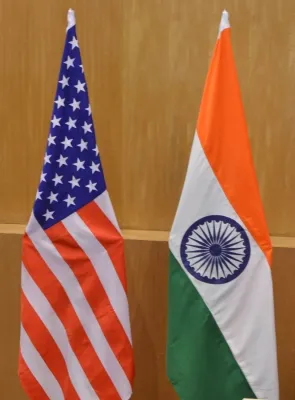
Washington, Jan 25 (NationPress) Officials from India and the United States are actively working to overcome the final obstacles in the negotiation of a proposed bilateral trade agreement. Both parties are nearly aligned on key issues, yet they remain divided over certain sensitive tariff and sequencing matters. The objective is to secure a robust deal that reinstates predictability and stability in bilateral trade.
In recent weeks, talks have been streamlined to a limited number of unresolved issues, according to insiders. Technical teams are maintaining ongoing discussions. Once these matters are resolved by the US Trade Representative and India’s Commerce Ministry, the agreement will be forwarded to Prime Minister Narendra Modi and President Donald Trump for their final endorsement.
Over the past few months, Modi and Trump have engaged in numerous phone conversations, believed to have focused on the framework of the prospective trade deal. During the Davos summit, Trump expressed optimism about achieving a significant trade agreement with India.
One of the initial outcomes anticipated from this long-awaited trade deal is the removal of the 50 percent tariff on Indian exports to the US, which has been in place since last summer. Although sectors such as Indian textiles have faced substantial challenges due to this tariff, overall bilateral trade has reportedly seen a high single-digit increase.
Officials have characterized a mixed scenario beneath the overall figures. Textiles and apparel have been highlighted as crucial sectors facing pressure, despite some fabric categories showing slight increases. Pharmaceutical exports have followed a similar trend, with overall volumes on the rise.
Another significant concern affecting the negotiations is the legal ambiguity in the United States. A potential ruling from the Supreme Court regarding the authority of tariff authorities is not directly influencing the discussions, but it remains a looming risk.
Support for the US-India relationship remains robust in Congress, with lawmakers from both parties advocating for strengthened economic ties.
At the same time, officials recognize that immigration-related developments have impacted business perceptions. Increased fees for certain skilled-worker visas have raised alarms among companies and professionals. While these issues are not part of the trade discussions, they influence broader perceptions of the bilateral relationship.
Sources indicate that the prospect of a Supreme Court ruling affecting the legal foundation of specific tariffs continues to hover in the background. Such a ruling could compel Washington to depend on alternative statutory authorities, which come with stricter limits on tariff levels and durations, potentially disrupting the political narrative surrounding trade enforcement.
Point of View
The ongoing negotiations between India and the US signify a pivotal moment for bilateral relations. The emphasis on resolving sensitive tariff issues reflects both nations' commitment to fostering economic stability. As we approach a potential agreement, it's crucial to understand the broader implications for trade dynamics and international relations.
NationPress
25/01/2026
Frequently Asked Questions
What is the current status of the India-US trade deal negotiations?
Officials are actively working to resolve the final hurdles in the proposed bilateral trade agreement, with a focus on sensitive tariff and sequencing issues.
What are the expected outcomes of the trade deal?
One anticipated outcome is the removal of the 50 percent tariff on Indian exports to the US, which has had a significant impact on various sectors.
How have recent developments affected business sentiment?
Immigration-related changes, particularly increased fees for skilled-worker visas, have raised concerns among businesses and professionals.
What risks are associated with the ongoing negotiations?
Legal uncertainties, including a potential Supreme Court ruling on tariff authorities, could influence the outcome of the negotiations.
Is there bipartisan support for the trade agreement?
Yes, support for closer economic ties between India and the US remains strong among lawmakers from both political parties.