How Are Indian Americans Emerging as an Economic Bridge Amid Immigration Challenges?
Synopsis
In a pivotal Congressional hearing, Indian Americans were recognized for their substantial contributions to the US economy and the US-India partnership, even as lawmakers criticized the Trump administration's immigration policies. This discussion highlighted the vital need for maintaining strong bilateral ties amidst rising immigration challenges.
Key Takeaways
Indian Americans are vital to the US economy.
They contribute over $200 billion annually.
Rising immigration fees pose threats to bilateral relations .
Legal pathways for immigration are becoming increasingly restricted.
Strong advocacy is essential for maintaining US-India cooperation .
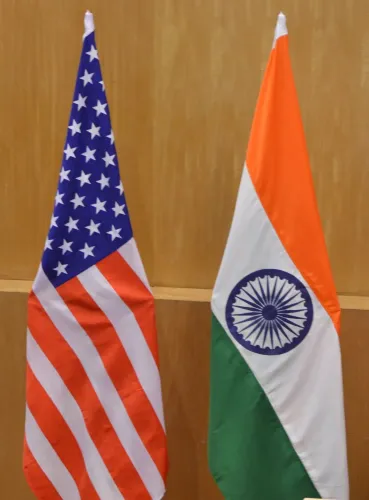
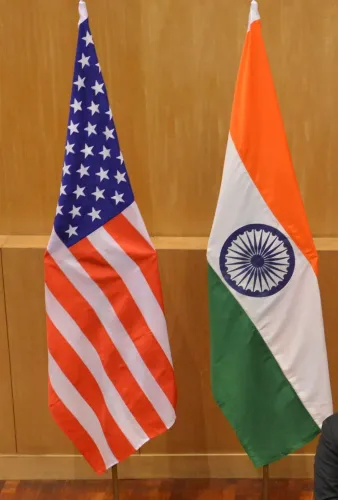
Washington, Dec 11 (NationPress) The crucial role played by Indian Americans in fortifying the US–India partnership was highlighted during a Congressional hearing, despite lawmakers' strong criticism of the Trump administration's policies regarding visas, immigration pathways, and bilateral relations.
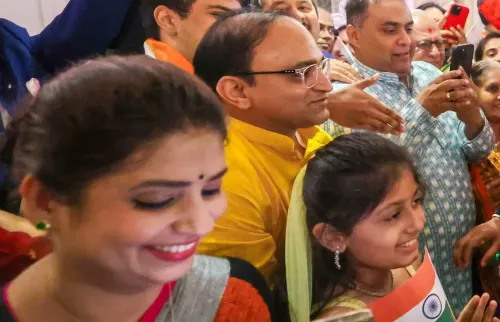
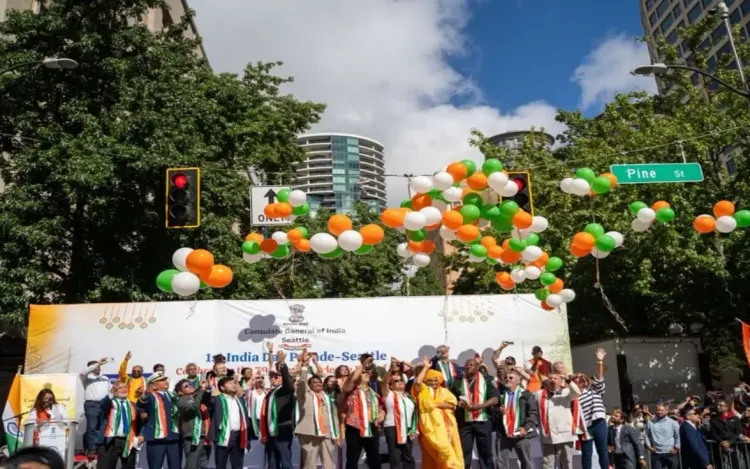
During the House Foreign Affairs Subcommittee on South and Central Asia's hearing regarding the US–India strategic partnership on Wednesday (local time), Committee Chairman Bill Huizenga noted that over 5 million Indian Americans significantly enrich the American economy, stating, "They serve in our military, they lead major companies," and described the diaspora as "a living bridge of shared values, democratic principles and economic opportunity."
He presented a letter from the Indo-American Chamber of Commerce commending the hearing and emphasizing that the relationship is "not just a diplomatic one, but rather a living bridge."
Dhruva Jaishankar from ORF America provided insightful economic data, indicating that Indian-origin investors, entrepreneurs, students, doctors, and researchers contribute "over $200 billion to the US economy" and support "at least 830,000 American jobs across all 50 states and territories."
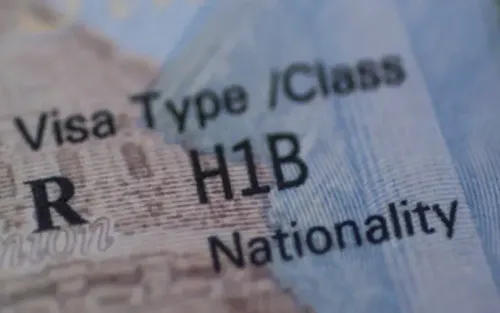
However, the hearing also included stark warnings. Rep. Sydney Kamlager-Dove denounced the administration's imposition of a $100,000 fee on H-1B visas, which are predominantly held by Indians, calling it "a rebuke of the incredible contributions Indians have made" to America's scientific and economic success. She argued that such actions "undermine the people-to-people ties between the US and India."
Rep. Pramila Jayapal, the first Indian American woman in Congress, shared her perspective, stating that legal immigration pathways are being "shut down," recalling her own experience on a student visa and later an H-1B. She mentioned receiving feedback from constituents about increasing "anti-Indian hate," asserting that "Indian Americans are vital to our economy, an integral part of our society… leading groundbreaking research to save lives."
Jayapal cautioned that tariffs and visa restrictions could potentially "push India closer" to alliances like BRICS and the SCO, noting that Indian businesses in her state consider tariff hikes as "the greatest threat to their business in over 120 years."
Sameer Lalwani alerted lawmakers that hostility toward Indian students, technologists, and scientists could negatively impact US innovation. "I would be concerned about the deterrence of students, scientists, and Indian businesses… that we have encountered on our own technological prowess," he stated.
The testimony underscored that beyond defense and geopolitics, the Indian American community stands as one of the strongest pillars of bilateral cooperation and remains particularly vulnerable to political decisions in Washington.
Point of View
It's evident that the Indian American community is an integral component of the US economy, fostering strong ties with India. Despite facing challenges due to evolving immigration policies, their contributions underscore the importance of bilateral relations. The narrative emerging from the Congressional hearing highlights the urgent need to address these concerns to ensure continued cooperation and growth.
NationPress
24 Sept 2026
Frequently Asked Questions
What role do Indian Americans play in the US economy?
Indian Americans contribute significantly, with estimates suggesting they add over $200 billion to the US economy and support at least 830,000 jobs nationwide.
What concerns were raised during the Congressional hearing?
Lawmakers criticized the Trump administration's immigration policies, highlighting the negative impact of H-1B visa fees and the rise of anti-Indian sentiments.
Why are strong US-India ties important?
Strong ties between the US and India foster economic growth, innovation, and shared democratic values, benefiting both nations.
What are the potential risks of current immigration policies?
Current immigration policies could deter Indian talent, impacting US innovation and economic collaboration with India.
Who addressed the hearing regarding Indian American contributions?
Key figures such as Committee Chairman Bill Huizenga and Rep. Pramila Jayapal highlighted the contributions and challenges faced by the Indian American community.