Iranian Envoy Asserts No Negotiations Under Threat Amid US Talks
Synopsis
Iran's Ambassador to Pakistan makes a bold statement, emphasizing that negotiations with the US must not occur under coercion. This determination reflects Tehran's unwavering stance during fragile diplomatic efforts. As tensions escalate, the future of these discussions remains uncertain.
Key Takeaways
Iran rejects negotiations under duress .
Ceasefire remains fragile .
US actions seen as provocative .
Future talks contingent on US behavior .
Tehran emphasizes national security .
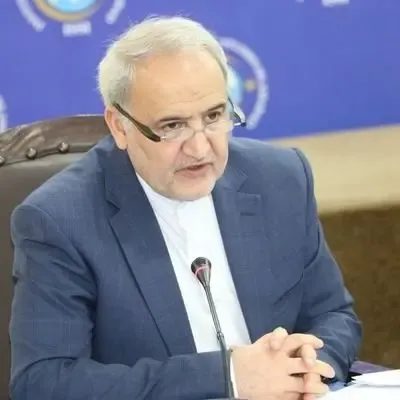
On April 21, in Washington, Iran's Ambassador to Pakistan, Reza Amiri Moghadam, stated that any negotiations conducted under threat or coercion are unacceptable, reinforcing Tehran's position amidst ongoing diplomatic discussions with the United States.
In a message on X, he emphasized, "A nation with a rich civilization will not engage in negotiations under pressure and intimidation", highlighting this as a key principle.
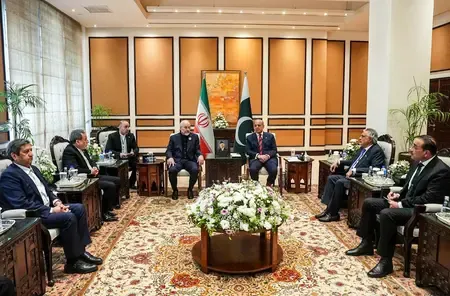
This statement arises in the context of a ceasefire, initiated on April 8 after 40 days of conflict, which remains tenuous. Pakistan has facilitated indirect discussions between Tehran and Washington, organizing an initial round in Islamabad on April 11 and 12; however, Iran has yet to confirm its participation in further talks, according to Xinhua news agency.
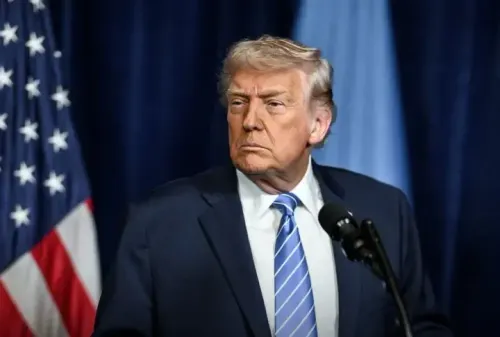
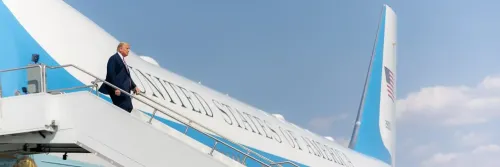
Earlier, Iranian Parliament Speaker Mohammad Bagher Ghalibaf reiterated that Tehran will not engage in talks under the shadow of threats. He remarked, "Trump's actions, by enforcing a blockade and disregarding the ceasefire, aim to transform this negotiation process—within his own narrative—into one of surrender or to rationalize further aggression."
Ghalibaf added, "We refuse to negotiate under such threats, and in the past fortnight, we have been readying to unveil new strategies on the battlefield."
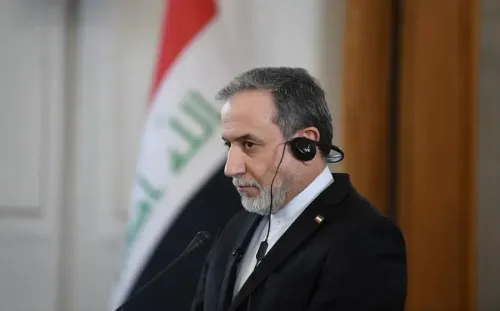
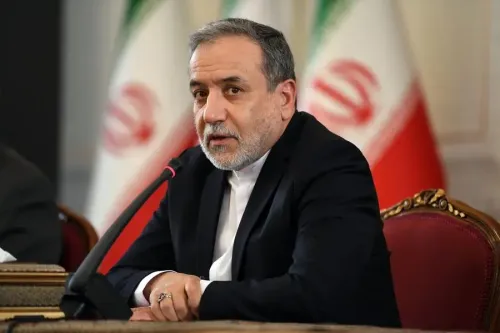
Iran's Foreign Minister Seyed Abbas Araghchi pointed out that US provocations and violations of the ceasefire pose significant barriers to ongoing peace discussions between the nations.
In separate phone calls with his counterparts from Pakistan and Russia, Araghchi denounced US actions against Iranian commercial shipping, including the reported capture of the container vessel Touska and its crew, citing Washington's contradictory rhetoric and threatening posture, as detailed in a statement from the Foreign Ministry.
According to Iran's semi-official Tasnim news agency, Tehran's participation hinges on the US meeting specific preconditions, with the naval blockade and excessive demands identified as major hurdles.
Araghchi emphasized that Iran's decision to continue diplomatic engagements will be based on a comprehensive assessment of the situation and US conduct, asserting that Tehran will take measures necessary to safeguard its interests and national security.
Point of View
It is evident that Iran's steadfast refusal to negotiate under duress highlights the complexities of international diplomacy. The situation remains precarious, especially with the ongoing ceasefire and the looming presence of external pressures, which could influence future dialogues.
NationPress
19 Sept 2026
Frequently Asked Questions
What did Iran's ambassador say about negotiations?
Iran's Ambassador to Pakistan stated that negotiations cannot happen under threat or coercion, emphasizing Tehran's position amid diplomatic efforts with the US.
Why is the ceasefire situation important?
The ceasefire, which began on April 8 after intense fighting, is fragile, making the terms of negotiations crucial for both sides.
What are the major obstacles to US-Iran negotiations?
US provocations, including actions against Iranian shipping and excessive demands, have been cited as significant barriers to continuing peace discussions.
What did Iranian officials state about US behavior?
Iranian officials condemned US actions as provocative and contradictory, asserting that such behavior undermines the potential for successful negotiations.
Will Iran engage in further negotiations?
Iran's decision to continue negotiations will depend on the US meeting specific preconditions and changing its approach.