US Forces Intercept Iranian Cargo Ship with Chinese Ties
Synopsis
A US naval blockade leads to the interception of an Iranian cargo ship suspected of carrying military-related goods linked to China. This incident reveals the intricate ties between global trade networks and regional conflicts.
Key Takeaways
US forces intercepted an Iranian cargo ship in the Gulf of Oman, linked to Chinese ports.
The ship was attempting to breach a naval blockade when it was seized.
It is controlled by a sanctioned Iranian company accused of military cargo transport.
China has raised concerns regarding the incident.
The Strait of Hormuz remains a critical route for global energy supplies.
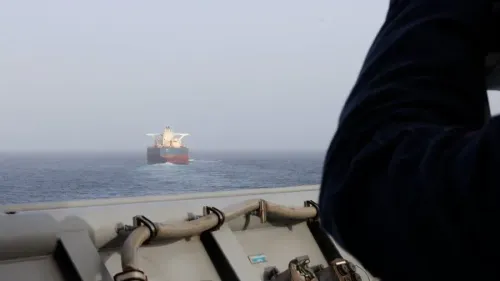
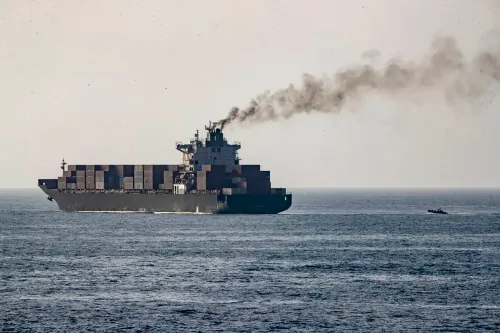
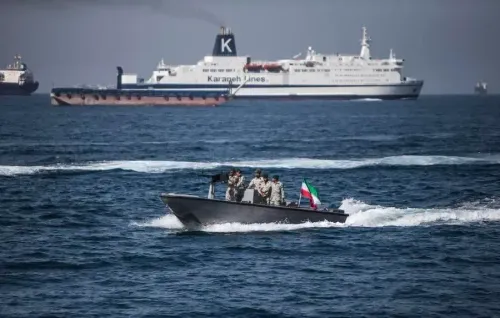
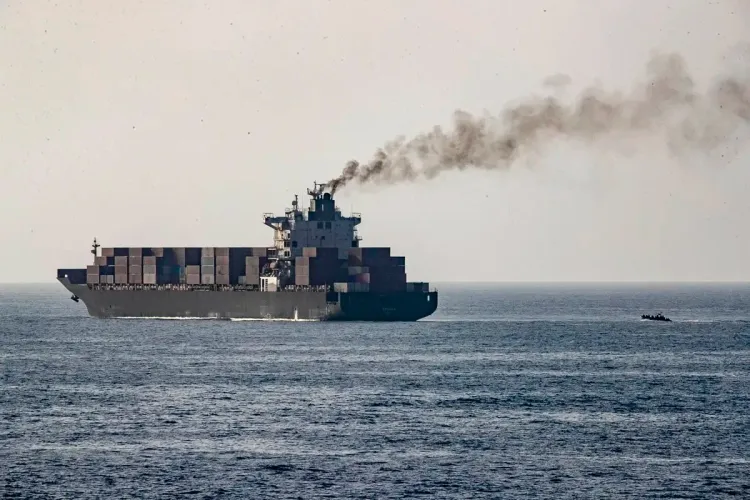
Washington, April 21 (NationPress) A recent report reveals that the Iranian cargo ship detained by US forces in the Gulf of Oman has connections to Chinese ports and is part of a suspected supply chain. The M/V Touska, an Iranian-flagged container ship, is affiliated with a fleet that frequently navigates to China and is allegedly involved in transporting materials that could have military applications, as reported by The Wall Street Journal.
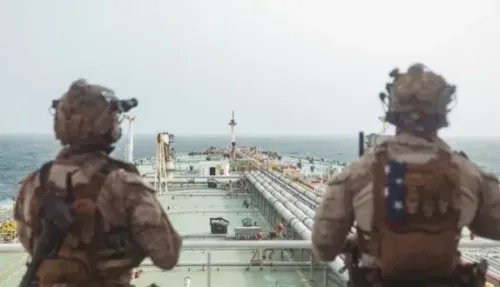
The vessel was intercepted as it attempted to evade a US naval blockade and was subsequently boarded by American personnel after warning shots disabled its engine, according to various sources.
Shipping records highlighted by The Wall Street Journal indicate that the Touska visited the southern Chinese port of Zhuhai on two occasions shortly before its seizure.
The ship is operated by an Iranian company under sanctions, accused of facilitating the transport of goods for Tehran’s ballistic missile initiatives, the report notes.
While US officials have not revealed the ship's cargo, analysts suggest that the effort to breach an active blockade implies that the cargo was significant.
“The risk taken to run the blockade indicates it was likely a valuable load, but they made a poor choice,” remarked Charlie Brown, a former US Navy officer, to The Wall Street Journal.
According to Fox News Digital, the vessel had previously traversed Southeast Asia and Chinese ports before heading toward Iran. Maritime security experts quoted in the report suggest that the cargo may have had “dual-use” capabilities, suitable for both civilian and military applications.
Prior to its interception near Iranian waters, the ship had last docked at Port Klang in Malaysia before proceeding toward the Strait of Hormuz, as stated by US officials referenced by Fox News Digital.
Experts highlight that such maritime routes often obscure the origins of cargo. The waters around Southeast Asia are notorious for ship-to-ship transfers, complicating tracking efforts.
While China asserts it does not supply arms to Iran and imposes regulations on the export of dual-use goods, it does not acknowledge US sanctions against Tehran.
Beijing has expressed its concerns regarding the ship's seizure and has called for restraint, according to The Wall Street Journal.
This incident underscores the interconnectedness of the Iran conflict with global trade networks. US officials have intensified enforcement of a maritime blockade aimed at vessels suspected of carrying prohibited goods.
The Strait of Hormuz remains a crucial passage for global energy supplies, and disruptions stemming from the conflict have already prompted concerns regarding shipping and oil markets.
Iran has historically depended on trade relationships with nations like China to mitigate the impact of sanctions, and these ties have become increasingly vital as pressure from Washington escalates.
Point of View
It is imperative to recognize the gravity of this incident involving the Iranian cargo ship and its alleged connections to Chinese supply routes. The strategic implications of this seizure resonate beyond regional tensions, affecting global trade dynamics and maritime security.
NationPress
16 Sept 2026
Frequently Asked Questions
What was the reason for the US seizure of the Iranian cargo ship?
The US seized the Iranian cargo ship due to its suspected connections to Chinese ports and potential military cargo, violating a naval blockade.
What is the significance of the Strait of Hormuz?
The Strait of Hormuz is a crucial route for global energy supplies, making it a strategic point for maritime security and international trade.
What does the term 'dual-use' cargo mean?
Dual-use cargo refers to items that can be used for both civilian and military purposes, raising concerns about their potential applications.
How does this incident affect US-Iran relations?
This incident exacerbates existing tensions between the US and Iran, highlighting the ongoing conflict surrounding sanctions and military capabilities.
What has been China's response to the seizure?
China has expressed concern over the seizure of the Iranian cargo ship and called for restraint, maintaining that it does not supply arms to Iran.