ISI Expanding Lashkar, JeM Into Global Terror Network

Synopsis
Pakistan's ISI is remodelling Lashkar-e-Tayiba and Jaish-e-Mohammad as globally active terror outfits, with operatives arrested in the US and South Korea. The Global Terrorism Index 2026 has placed Pakistan at the top of its rankings, confirming fears of a major doctrinal shift in state-sponsored terrorism.
Key Takeaways
ISI is actively internationalising Lashkar-e-Tayiba and Jaish-e-Mohammad operations, shifting from Kashmir-focused attacks to a global terror mandate.
A Pakistani Lashkar-e-Tayiba member was arrested in South Korea in August 2024 after entering the country on falsified documents following training in Pakistan.
Asif Merchant , an ISI-linked Pakistani national, was convicted on March 6, 2025 in the US for plotting to kill American political figures and government officials.
Muhammad Shahzeb Khan , of Pakistani origin, pleaded guilty to planning an attack on a Jewish centre in New York City , with ISI funding links confirmed.
The Global Terrorism Index 2026 ranked Pakistan number one globally for terrorism, citing its role as an operational hub for multiple terror networks.
The ISI has been working to establish operational ties between Lashkar-e-Tayiba and Hamas , hosting Hamas members in Pakistan on multiple occasions.
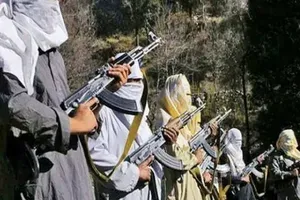
New Delhi, April 23: Pakistan's Inter-Services Intelligence (ISI) is aggressively expanding the operational reach of terror outfits Lashkar-e-Tayiba (LeT) and Jaish-e-Mohammad (JeM) beyond Indian borders, transforming them into globally active terror networks modelled on the Islamic State and Al-Qaeda. Recent arrests of ISI-linked operatives in the United States and South Korea have exposed the growing scale of this international terror infrastructure, raising serious alarm among counterterrorism agencies worldwide.
ISI's Global Terror Blueprint Comes Into Focus
Intelligence officials tracking Pakistan-backed terror activity say the ISI has been systematically recruiting operatives internationally, training them on Pakistani soil, and deploying them for lone-wolf strikes across multiple countries. The strategy marks a significant doctrinal shift — from Kashmir-centric operations to a broader global terror mandate.
An Intelligence Bureau official stated that a clear pattern has emerged where the ISI is actively seeking to operate on an international scale, using established terror groups as proxies to conduct attacks far beyond South Asia.
The spy agency's ambition is to position outfits like Lashkar-e-Tayiba and Jaish-e-Mohammad as globally feared organisations, capable of striking anywhere in the world — a status currently held by Al-Qaeda and the Islamic State.
Key Arrests Exposing the ISI's International Network
In August 2024, a Pakistani national was arrested in South Korea after being identified as an active Lashkar-e-Tayiba member. The individual had entered the country using falsified documents after receiving terror training inside Pakistan. Investigators probed his connections to the LeT and potential involvement in terror financing.
On March 6, 2025, Asif Merchant, a Pakistani national with confirmed ISI ties, was found guilty in a US federal court of conspiring to assassinate political figures and government officials on American soil.
In a separate case, Muhammad Shahzeb Khan, also of Pakistani origin, pleaded guilty to planning a deadly attack on a Jewish centre in New York City — a case that counterterrorism officials directly link to ISI direction and funding.
From Kashmir to the World: The Strategic Shift
The ISI's expanded agenda is not limited to targeting Indian nationals and Indian interests abroad. Pakistan's terror apparatus has been increasingly vocal against French authorities and Israeli military operations against Hamas — mirroring the ideological posturing of global jihadist networks.
The ISI has hosted Hamas members in Pakistan on multiple occasions and has been working for months to forge operational ties between Lashkar-e-Tayiba and Hamas. Officials describe this as a deliberate effort to internationalise Pakistan's terror ecosystem.
Terror groups operating under ISI patronage have long demanded permission to conduct international operations. The ISI, finding it increasingly difficult to contain these demands, has begun allowing and even facilitating such missions, according to security officials.
Lone-Wolf Strikes: The New Operational Doctrine
Unlike the coordinated multi-operative attacks seen in Jammu and Kashmir, the ISI's current international strategy favours lone-actor strikes. Officials say this reduces operational risk while maximising propaganda impact on a global audience.
Operatives are generously funded by the ISI and provided safe haven inside Pakistan once their missions are completed. This protection network makes prosecution and accountability extremely difficult for international law enforcement agencies.
The precedent for this model was set by Sajid Mir, a key accused in the Mumbai 26/11 attacks, who was sentenced in absentia by a French court in 2007 to 10 years in prison for plotting terror activities involving French citizens — one of the earliest examples of ISI-backed global terror operations.
Pakistan Tops Global Terrorism Index Amid International Pressure
The escalating international terror footprint has not gone unnoticed. The Global Terrorism Index 2026 has ranked Pakistan at the top of its global terrorism rankings — a damning indictment of Islamabad's role in sponsoring and sheltering terror networks.
The index notes that Pakistan continues to function as both a host nation and an operational hub for multiple terror organisations with regional and global reach. Several international agencies have flagged Pakistan's complicity in aiding and abetting terror not just against India, but across the world.
As global scrutiny intensifies and more ISI-linked operatives face prosecution abroad, Pakistan's ability to maintain plausible deniability is rapidly eroding — with significant diplomatic and security consequences expected in the months ahead.
Frequently Asked Questions
How is the ISI expanding Lashkar-e-Tayiba operations internationally?
The ISI is training Lashkar-e-Tayiba operatives inside Pakistan and deploying them globally for lone-actor strikes, funding them generously and providing safe haven upon return. Arrests in the US and South Korea have confirmed this international expansion strategy.
Who is Asif Merchant and what was he convicted for?
Asif Merchant is a Pakistani national with confirmed ISI ties who was found guilty on March 6, 2025 in a US federal court of conspiring to assassinate political figures and government officials in America. He is one of the most high-profile ISI-linked convictions in the United States.
Why has Pakistan been ranked top on the Global Terrorism Index 2026?
Pakistan topped the Global Terrorism Index 2026 due to its continued role as a host and operational hub for multiple terror networks with global reach. The ranking reflects growing international evidence of Pakistan's ISI actively funding and directing terror operations worldwide.
What is the connection between ISI, Lashkar-e-Tayiba, and Hamas?
The ISI has hosted Hamas members in Pakistan multiple times and has been actively working to forge operational ties between Lashkar-e-Tayiba and Hamas. This is part of Pakistan's broader strategy to internationalise its terror ecosystem beyond South Asia.
What was Sajid Mir's role in ISI's international terror operations?
Sajid Mir, a key accused in the 2008 Mumbai 26/11 attacks, was sentenced in absentia by a French court in 2007 to 10 years for plotting terror activities involving French citizens — making him one of the earliest examples of ISI-backed global terror operations.