IAFS-IV: Jaishankar Launches Summit Logo, Eyes Ambitious India-Africa Future
Synopsis
India is set to host the 4th India Africa Forum Summit on May 31, with EAM Jaishankar unveiling the 'IA SPIRIT' theme and promising a more ambitious, technology-driven partnership. The summit follows India's landmark 2023 G20 move to include the African Union — and now aims to convert that diplomatic capital into a structured South-South alliance.
Key Takeaways
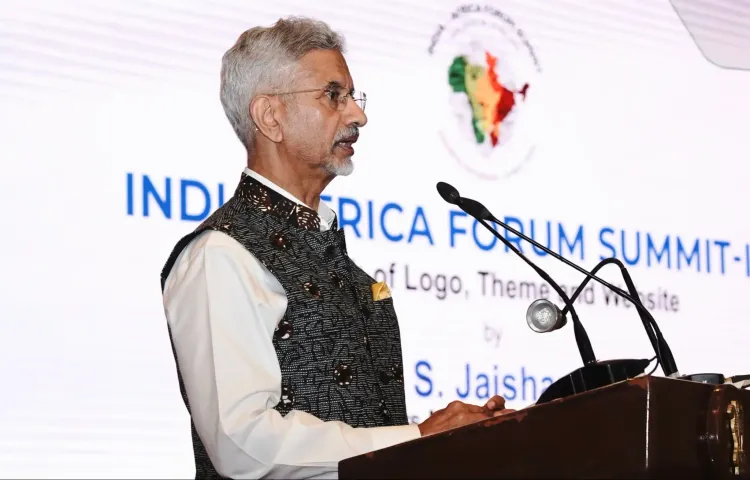
Jaishankar unveiled the logo, theme, and website of the 4th India Africa Forum Summit (IAFS-IV) on April 23, 2025 , in New Delhi.
The summit is scheduled for May 31, 2025 , co-hosted by India and the African Union Commission .
The official theme is "IA SPIRIT: India Africa Strategic Partnership for Innovation, Resilience, and Inclusive Transformation." Preparatory meetings include the Senior Officials Meeting on May 28 and the India-Africa Foreign Ministers' Meeting on May 29 .
India secured African Union's permanent G20 membership during its 2023 G20 Presidency , a key diplomatic milestone referenced by Jaishankar.
Cooperation areas highlighted include digital technology, fintech, International Solar Alliance, Global Biofuels Alliance, and disaster resilience infrastructure .
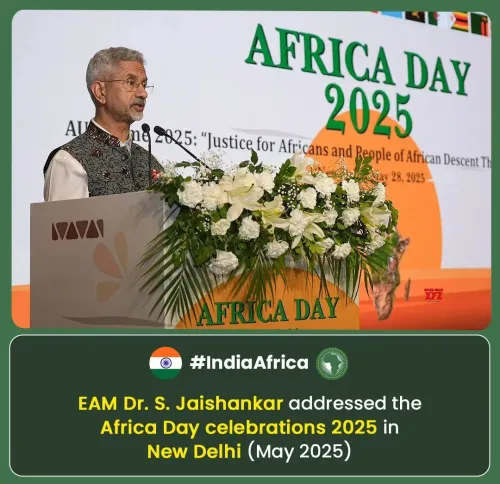
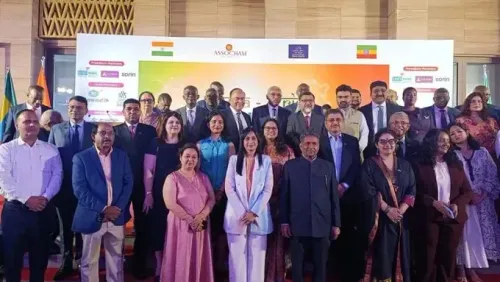
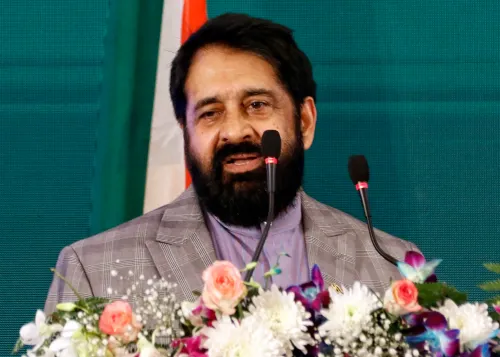
New Delhi, April 23 — External Affairs Minister S. Jaishankar on Thursday declared that the 4th India Africa Forum Summit (IAFS-IV), scheduled for May 31 in New Delhi, will define the next transformative chapter of India-Africa relations — one he described as "more ambitious, more inclusive, and more future-oriented." The announcement came as Jaishankar formally unveiled the summit's official logo, theme, and website alongside African ambassadors and diplomats invested in the India-Africa partnership.
Summit Theme and Key Dates
The IAFS-IV will be held under the theme "IA SPIRIT: India Africa Strategic Partnership for Innovation, Resilience, and Inclusive Transformation" — a branding that signals India's intent to move the relationship beyond traditional aid into a technology and innovation-driven alliance. The summit is being co-hosted by India and the African Union Commission.
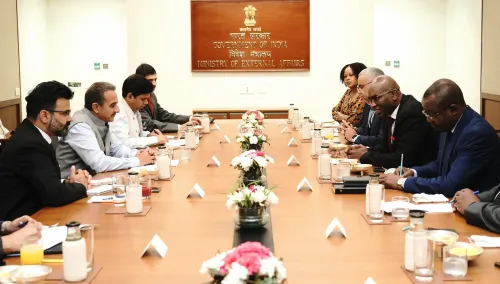
In the lead-up to the main event, a series of high-level preparatory meetings are scheduled. The Senior Officials Meeting will take place on May 28, followed by the India-Africa Foreign Ministers' Meeting on May 29, before heads of state and government convene on May 31.
The summit will bring together leaders from across the African continent, the African Union Commission, and representatives from regional organisations to lay out a concrete roadmap for expanding bilateral cooperation across multiple sectors.
What Jaishankar Said
Posting on X (formerly Twitter), EAM Jaishankar said: "The forthcoming Summit will shape the next phase of our partnership — one that is more ambitious, more inclusive, and more future-oriented. It will enable us to exchange best practices, share successful experiences and discuss common challenges."
He emphasised that India's development partnership and capacity-building initiatives with Africa are driven by African priorities and local ownership — a deliberate contrast to the debt-heavy infrastructure model associated with China's engagement on the continent.
Jaishankar also highlighted growing bilateral engagement in digital technology, fintech, and innovation, noting these sectors are actively reshaping economies across the African continent.
Multilateral Alliances and Global Governance
The EAM pointed to deepening cooperation within multilateral frameworks, specifically the International Solar Alliance (ISA), the Global Biofuels Alliance (GBA), the Coalition for Disaster Resilient Infrastructure (CDRI), and the International Big Cat Alliance (IBCA) — all India-led or India-championed global initiatives in which African nations are active stakeholders.
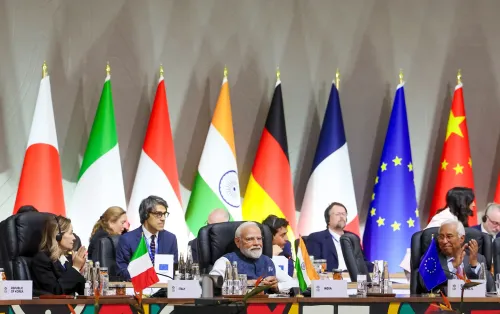
Jaishankar also underscored India's consistent advocacy for Africa's rightful place in global governance, pointing to the landmark inclusion of the African Union as a permanent G20 member during India's G20 Presidency in 2023 — widely regarded as one of the most significant diplomatic wins of that presidency.
"India and Africa are not just partners in development but partners in shaping a better world," he stated, signalling a strategic framing that positions the partnership as a geopolitical force, not merely a bilateral aid relationship.
Strategic Significance and Background
The India Africa Forum Summit is held periodically and has been a cornerstone of India's Africa outreach since its first edition in 2008. The 3rd edition in 2015 under Prime Minister Narendra Modi resulted in a major expansion of Indian development assistance, with India committing $600 million in grants and $10 billion in lines of credit to African nations — the largest such commitment in the summit's history at the time.
The Ministry of External Affairs (MEA) confirmed that IAFS-IV will serve as a landmark platform to further cement ties under the South-South cooperation framework and will also showcase India's good governance and inclusive development initiatives built over the past decade — including programmes like Digital India, Jan Dhan, and Aadhaar that African nations have expressed interest in replicating.
This comes amid intensifying global competition for influence across Africa, with China, Russia, the European Union, and the United States all deepening their engagement with the continent. India's approach — emphasising capacity building, technology transfer, and demand-driven assistance rather than large-scale infrastructure loans — is increasingly seen as a differentiated and sustainable model.
What to Expect Next
With 54 African nations and the African Union Commission expected to participate, IAFS-IV is poised to be one of the largest multilateral summits hosted by India in recent years. Analysts anticipate new commitments in areas including renewable energy, digital public infrastructure, pharmaceutical supply, and defence cooperation.
The summit's outcomes will be closely watched as a signal of India's ability to translate diplomatic goodwill — built through the G20 African Union inclusion and years of development partnerships — into a structured, long-term strategic framework that can compete with Beijing's Belt and Road footprint on the continent.
Point of View
New Delhi is betting on a softer, smarter model: digital public infrastructure, capacity building, and demand-driven partnerships. The timing is deliberate — coming off the G20 African Union inclusion win, India is attempting to convert diplomatic goodwill into a structured geopolitical bloc. The real test will be whether IAFS-IV produces binding commitments or remains a showcase of intent.
NationPress
19 Sept 2026
Frequently Asked Questions
When and where is the 4th India Africa Forum Summit being held?
The 4th India Africa Forum Summit (IAFS-IV) is scheduled for May 31, 2025, in New Delhi, India. It is being co-hosted by India and the African Union Commission.
What is the theme of IAFS-IV?
The theme of IAFS-IV is 'IA SPIRIT: India Africa Strategic Partnership for Innovation, Resilience, and Inclusive Transformation.' It reflects the comprehensive and forward-looking nature of the India-Africa partnership.
What did EAM Jaishankar say about the India Africa Forum Summit?
EAM S. Jaishankar said the summit will shape the next phase of India-Africa partnership, describing it as 'more ambitious, more inclusive, and more future-oriented.' He launched the official logo, theme, and website of the summit on April 23.
What was the outcome of the last India Africa Forum Summit?
The 3rd India Africa Forum Summit in 2015 resulted in a major expansion of Indian development assistance, including $600 million in grants and $10 billion in lines of credit to African nations. It was held under Prime Minister Narendra Modi.
How did India support Africa's role in global governance?
India championed the inclusion of the African Union as a permanent member of the G20 during its 2023 G20 Presidency, which was widely regarded as a landmark diplomatic achievement. EAM Jaishankar cited this as evidence of India's consistent support for Africa's rightful place in global governance.