Jaishankar, Uzbek FM Saidov discuss India-Uzbekistan trade and bilateral ties
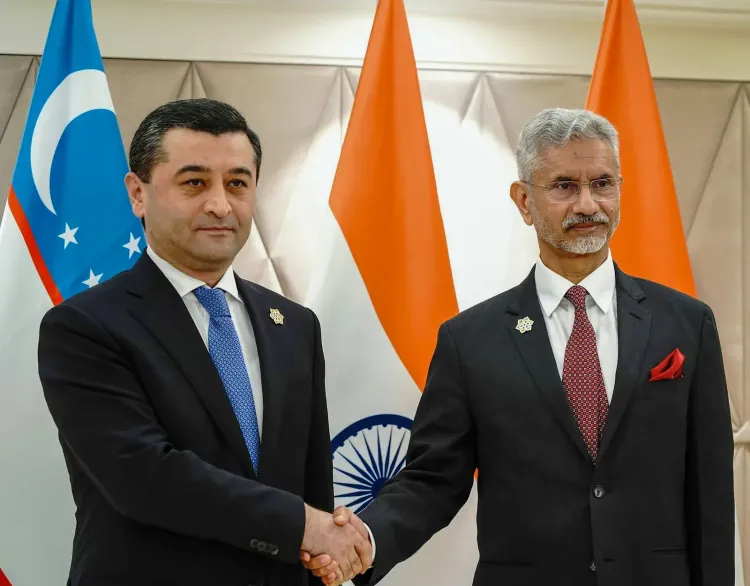
Synopsis
Jaishankar's call with Uzbek FM Saidov wasn't routine diplomatic courtesy — it follows a concrete agreement last month to double bilateral trade in three years and a 14-sector export expansion plan. With high-level visits on the schedule, India is moving to convert its Central Asia ambitions into measurable trade outcomes.
Key Takeaways
Jaishankar and Uzbek FM Bakhtiyor Saidov held a telephonic conversation on 20 July , reaffirming the India-Uzbekistan strategic partnership .
Both sides reviewed the schedule of upcoming high-level bilateral engagements and discussed cooperation within international organisations.
Last month, India and Uzbekistan agreed to double bilateral trade within three years and address non-tariff barriers.
The 14th Session of the India-Uzbekistan Intergovernmental Commission was held in Tashkent , co-chaired by Rajesh Agrawal and Shokhrukh Gulamov .
Sectors identified for Indian export expansion include pharmaceuticals, electronics, automobiles, textiles, and education services , among others.
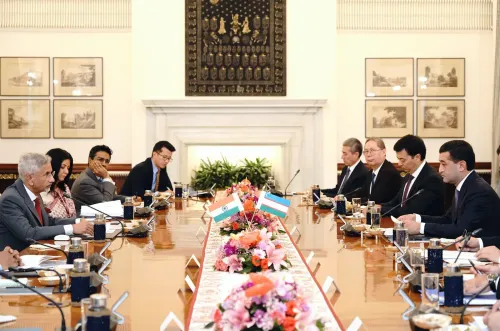
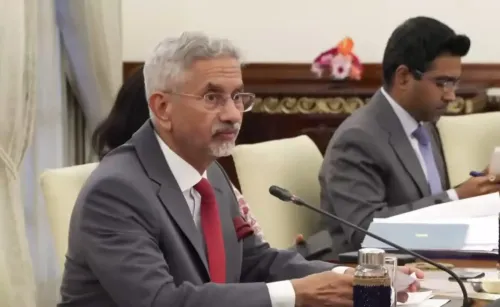
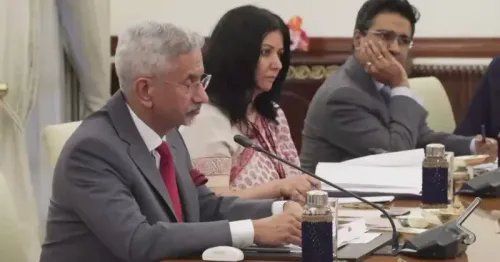
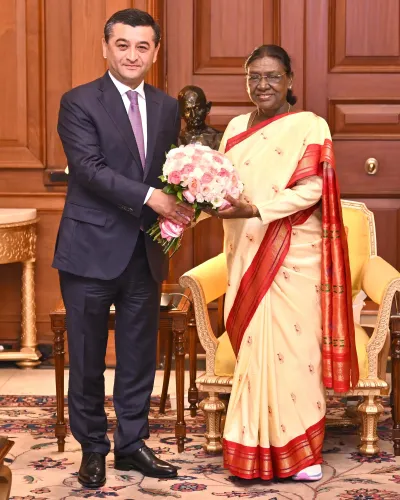
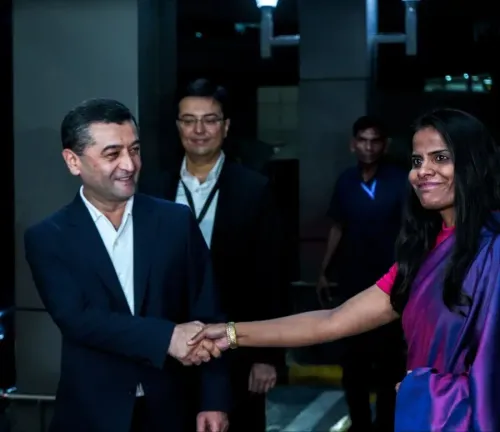
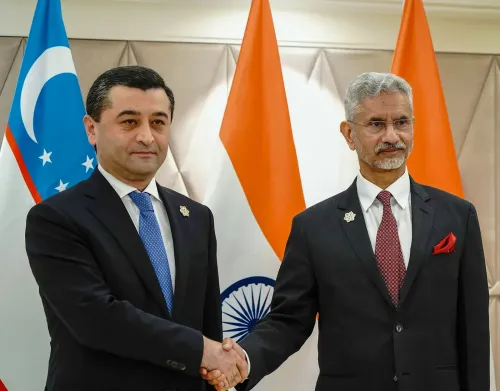
External Affairs Minister S. Jaishankar on Monday, 20 July held a telephonic conversation with Uzbekistan's Minister of Foreign Affairs Bakhtiyor Saidov, with both sides reaffirming their commitment to deepening the India-Uzbekistan strategic partnership across trade, investment, and diplomatic engagement. The call signals fresh momentum in bilateral ties ahead of scheduled high-level engagements between the two countries.
What the Two Ministers Discussed
Jaishankar confirmed the exchange on social media platform X, writing: 'A good conversation with Bakhtiyor Saidov of Uzbekistan today. We spoke about deepening our bilateral ties, including in trade, investment and other areas.' Saidov, for his part, described the call as 'substantive' and said both ministers agreed to maintain regular dialogue between their foreign ministries on a close, trust-based basis.
The two sides also reviewed the schedule of upcoming bilateral engagements at the highest and high levels, and discussed further strengthening cooperation within international organisations, according to Saidov's readout.
Trade Push: The Commerce Commission Backdrop
The diplomatic outreach builds on concrete groundwork laid last month, when India and Uzbekistan agreed to deepen trade ties, address non-tariff barriers, and work towards doubling bilateral trade over the next three years, according to a statement from the Ministry of Commerce and Industry.
That commitment emerged from the 14th Session of the India-Uzbekistan Intergovernmental Commission on Trade, Economic, Scientific and Technological Cooperation, co-chaired by Rajesh Agrawal, Secretary, Department of Commerce, and Shokhrukh Gulamov, Deputy Minister of Investment, Industry and Trade of Uzbekistan. The session was held in Tashkent, with the Indian co-chair participating via video conference.
Sectors Identified for Export Expansion
The Commission identified a broad range of product and service categories where Indian exports to Uzbekistan can be scaled up. These include pharmaceuticals, medical devices, agricultural products, processed foods, agricultural machinery, engineering goods, electrical machinery, electronics, smartphones, automobiles and auto components, tractor accessories, textiles and textile machinery, chemicals, healthcare services, education services, tourism, logistics, and other business services.
The breadth of the list reflects India's ambition to position itself as a comprehensive economic partner for Uzbekistan rather than a supplier in a single sector.
Strategic Context
India and Uzbekistan have maintained a strategic partnership for several years, with Central Asia featuring increasingly in New Delhi's foreign policy calculus — particularly as India seeks to diversify trade corridors and reduce dependence on traditional routes. Uzbekistan, as a landlocked but economically significant Central Asian state, represents a gateway to the wider region. This comes amid India's broader push to deepen ties with Central Asian nations through the Connect Central Asia policy and the India-Central Asia summit framework.
With high-level engagements now on the calendar and a bilateral trade-doubling target agreed upon, the coming months will test how quickly the two sides can convert diplomatic intent into measurable economic outcomes.
Point of View
Thin on outcomes. The real measure here is whether the Intergovernmental Commission's sectoral roadmap translates into actual trade flows, particularly given Uzbekistan's landlocked geography and the absence of a direct transit corridor. New Delhi's push to embed itself across pharmaceuticals, electronics, and services simultaneously suggests a strategy of breadth over depth — which carries its own execution risk.
NationPress
20 Oct 2026
Frequently Asked Questions
What did Jaishankar and Uzbek FM Saidov discuss?
EAM S. Jaishankar and Uzbekistan's FM Bakhtiyor Saidov discussed deepening bilateral ties in trade, investment, and other areas during a phone call on 20 July. They also reviewed the schedule of upcoming high-level bilateral engagements and agreed to maintain regular dialogue between their foreign ministries.
What is India's bilateral trade target with Uzbekistan?
India and Uzbekistan agreed last month to double bilateral trade over the next three years. The commitment was made at the 14th Session of the India-Uzbekistan Intergovernmental Commission on Trade, Economic, Scientific and Technological Cooperation, held in Tashkent.
Which sectors are targeted for India-Uzbekistan trade expansion?
The two sides identified pharmaceuticals, medical devices, agricultural products, electronics, smartphones, automobiles, textiles, chemicals, healthcare services, education, tourism, and logistics as priority sectors for expanding Indian exports to Uzbekistan.
What is the India-Uzbekistan Intergovernmental Commission?
It is a bilateral mechanism for trade, economic, scientific, and technological cooperation between India and Uzbekistan. The 14th Session was co-chaired by Rajesh Agrawal from India and Shokhrukh Gulamov from Uzbekistan, with the Indian side participating via video conference from Tashkent.
Why is India deepening ties with Uzbekistan?
Uzbekistan is a key Central Asian partner and gateway to the wider region. India's engagement aligns with its broader Connect Central Asia policy and efforts to diversify trade corridors and expand its economic footprint beyond traditional markets.