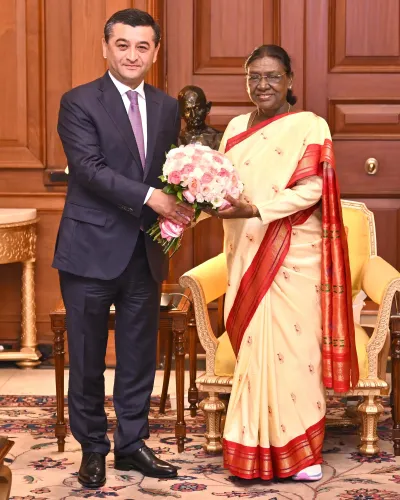
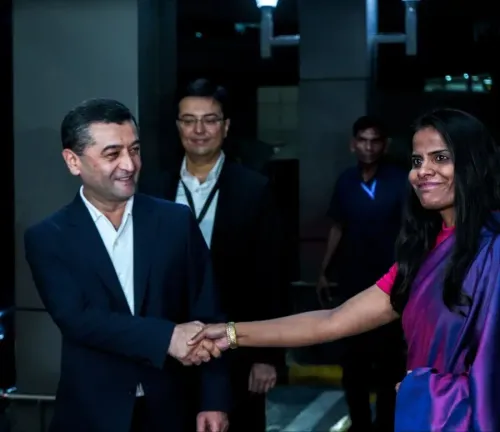
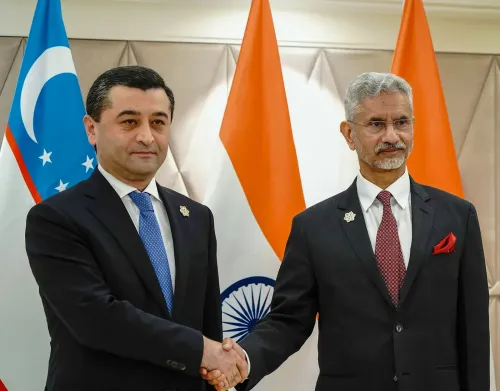
Jaishankar speaks with Uzbek FM Saidov on bilateral ties
Synopsis
External Affairs Minister Dr. S. Jaishankar spoke with Uzbekistan's FM Bakhtiyor Saidov on 20 July 2026, discussing deeper bilateral ties in trade, investment and connectivity — continuing India's active Central Asia engagement under the Connect Central Asia framework.
Key Takeaways
Jaishankar held a conversation with Uzbekistan FM Bakhtiyor Saidov on 20 July 2026 .
The two ministers discussed deepening bilateral ties in trade, investment and other areas.
India and Uzbekistan have maintained a strategic partnership anchored in the Connect Central Asia policy since 2012 .
Both countries are full members of the Shanghai Cooperation Organisation , providing an institutional channel for dialogue.
The International North-South Transport Corridor adds a key connectivity dimension to the bilateral relationship.
Follow-up announcements on trade pacts or investment frameworks are expected to emerge from subsequent diplomatic engagements.
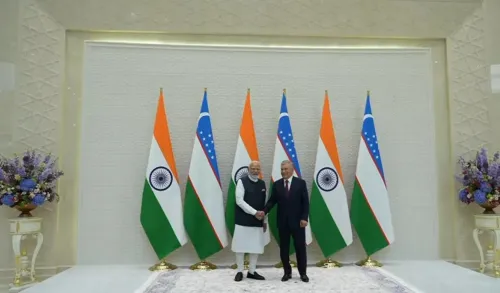
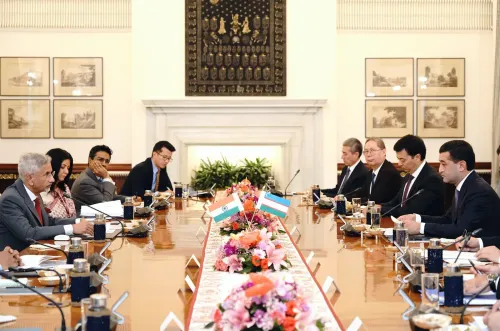
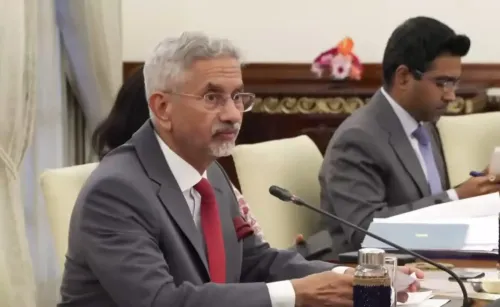
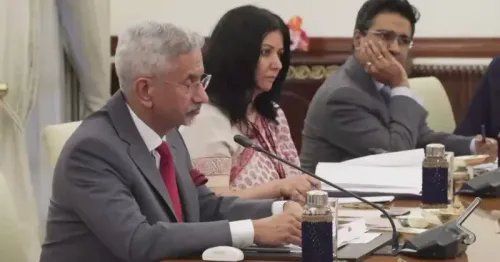
Union External Affairs Minister Dr. S. Jaishankar held a telephonic conversation with Uzbekistan's Foreign Minister Bakhtiyor Saidov on Monday, 20 July 2026, with both sides discussing ways to deepen the bilateral relationship across trade, investment and other areas of cooperation.
Context
Posting on X, Dr. Jaishankar described the exchange as 'a good conversation,' noting that the two ministers 'spoke about deepening our bilateral ties, including in trade, investment and other areas.' The brief but pointed formulation signals that the discussion covered substantive ground rather than routine diplomatic pleasantries.
India and Uzbekistan maintain a strategic partnership that spans trade, energy, connectivity and counter-terrorism cooperation. Uzbekistan, a landlocked Central Asian republic, is regarded by New Delhi as a priority partner given its geographic position at the crossroads of regional connectivity corridors.
Policy Backdrop
India launched its Connect Central Asia policy in 2012 to institutionalise political, economic and cultural engagement with the five Central Asian republics, with Uzbekistan among the most active partners in that framework. Prime Minister Narendra Modi visited Tashkent in 2015, producing agreements covering trade, defence and cultural cooperation that gave the relationship a structured footing.
A further institutional anchor arrived in 2017 when both India and Uzbekistan became full members of the Shanghai Cooperation Organisation (SCO), creating a multilateral forum that complements direct bilateral channels. Projects such as the International North-South Transport Corridor (INSTC) have since added a connectivity dimension, giving Indian exporters an alternative route into Central Asian markets.
Stakeholders and Impact
Indian exporters — particularly in pharmaceuticals, textiles and engineering goods — stand to benefit from any widening of market access agreements with Uzbekistan, which has been expanding its manufacturing base and attracting foreign investment. Uzbek investors, in turn, have shown interest in India's infrastructure and technology sectors.
The conversation between Dr. Jaishankar and FM Saidov also carries significance for the broader India–Central Asia dialogue mechanism, which brings together the foreign ministers of all five Central Asian states and serves as a barometer of New Delhi's engagement with the region. Deepening ties with Tashkent reinforces India's strategy of diversifying its economic and strategic partnerships beyond its immediate neighbourhood.
What's Next
Diplomatic observers will watch for follow-up announcements on trade pacts, investment project frameworks or joint working-group meetings that typically flow from ministerial-level conversations of this nature. The next SCO summit cycle and any scheduled India–Central Asia dialogue round could provide the formal setting for translating Monday's discussion into concrete deliverables.
As India continues to pursue an active extended-neighbourhood policy, sustained high-level engagement with Uzbekistan will remain a visible marker of New Delhi's intent to position itself as a reliable economic and strategic partner for Central Asia.
Point of View
Possibly ahead of an SCO or India–Central Asia ministerial round. For New Delhi, deepening the Tashkent relationship serves a dual purpose: expanding export markets for Indian industry and reinforcing a connectivity spine that reduces dependence on any single transit corridor. The frequency of such high-level exchanges also signals that India's extended-neighbourhood doctrine is being actively worked, not merely articulated.
NationPress
20 Oct 2026
Frequently Asked Questions
Why did Jaishankar speak with Uzbekistan's Foreign Minister?
Dr. Jaishankar and Uzbekistan FM Bakhtiyor Saidov spoke on 20 July 2026 to discuss deepening bilateral ties, specifically in trade, investment and other areas of cooperation, as part of India's ongoing Central Asia engagement.
What is India's policy toward Uzbekistan and Central Asia?
India launched the Connect Central Asia policy in 2012 to deepen political, economic and cultural ties with Central Asian republics. Uzbekistan is a priority partner, and both countries are members of the Shanghai Cooperation Organisation .
What is the India-Uzbekistan relationship based on?
The relationship rests on a strategic partnership covering trade, energy, connectivity and counter-terrorism. PM Modi's 2015 visit to Tashkent produced key agreements, and the SCO framework provides an ongoing institutional channel.
What is the International North-South Transport Corridor and how does it relate to Uzbekistan?
The International North-South Transport Corridor (INSTC) is a multimodal connectivity project that gives Indian exporters an alternative route into Central Asian markets, enhancing the strategic and economic value of the India–Uzbekistan relationship.
What could follow from the Jaishankar-Saidov conversation?
Diplomatic observers expect potential follow-up announcements on trade pacts, investment project frameworks or joint working-group meetings, possibly formalised at the next SCO summit or India–Central Asia ministerial dialogue.