JD Vance credits Usha Vance for his return to Christianity
Synopsis
JD Vance's new memoir is as much about his wife as it is about God. The US Vice President says falling in love with Usha — a Hindu-raised lawyer who does not share his Christian faith — was the moment he understood love as something 'sacramental', setting him on the path back to Catholicism after years of atheism.
Key Takeaways
US Vice President JD Vance credited his wife Usha Vance as a key influence in his return to Christianity .
Vance made the remarks in an interview with New York Times columnist Ross Douthat , tied to his memoir Communion: Finding My Way Back to Faith .
He said his grandmother's death was the moment his faith began to unravel, leading him to describe himself as an atheist within two years .
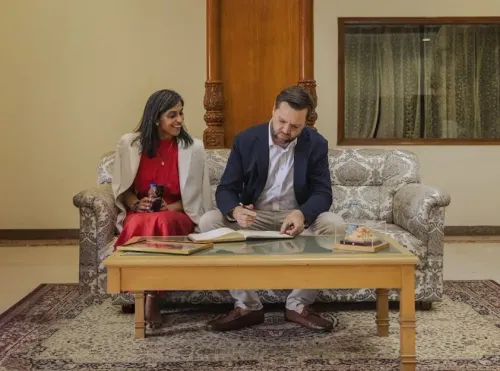
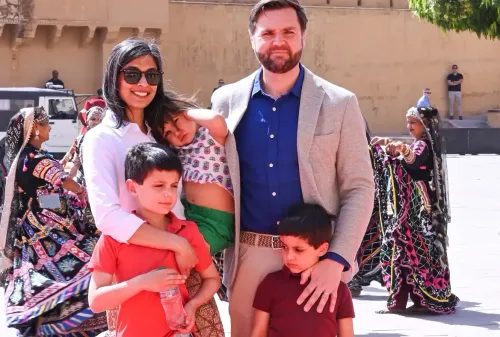
Although Usha Vance does not share his Christian faith, her patience and support in their interfaith household — including accompanying him and their three children to church every Sunday — became, he said, a sign to pursue his spiritual path.
Vance, now 41 , said striving for professional achievement left him 'pretty hollow', and that fatherhood and marriage forced him to confront deeper questions of meaning.
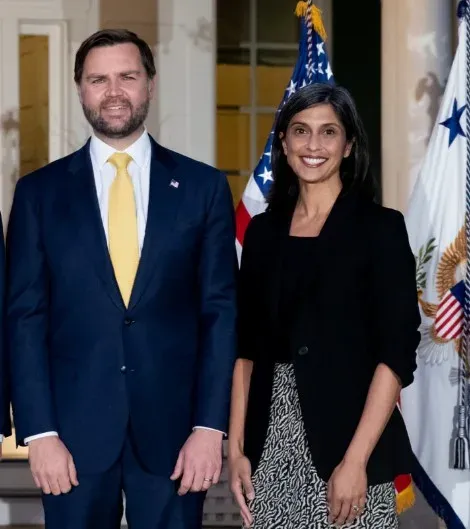
US Vice President JD Vance has publicly credited his Indian American wife, Usha Vance, with playing a pivotal role in his return to Christianity, saying her patience, support, and influence on his understanding of love and commitment became a cornerstone of his spiritual journey. Vance made the remarks in a candid interview with New York Times columnist Ross Douthat, timed to the release of his new memoir.
The Memoir Behind the Revelation
Vance's reflections come as he promotes Communion: Finding My Way Back to Faith, a personal account tracing his path from a turbulent childhood and eventual atheism to his conversion to Catholicism. The book charts how professional ambition and personal striving eventually left him, by his own admission, feeling hollow.
'The thing I realised is that this kind of striving had made me pretty hollow,' he said.
How His Grandmother's Death Shaped His Drift from Faith
Vance described his grandmother as the anchor of his early religious life. Her death, he said, was the moment his connection to Christianity began to unravel.
'When my grandma died, that was my anchor to Christianity,' he said. 'It's really no coincidence that my grandma died and, like, two years later, I called myself an atheist.'
For years that followed, he immersed himself in education and career, pursuits that he now says ultimately failed to provide meaning.
Usha Vance's Role in His Spiritual Return
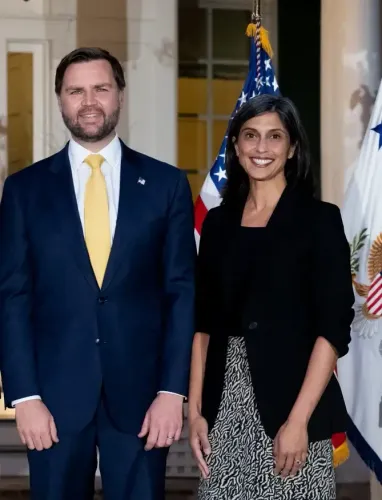
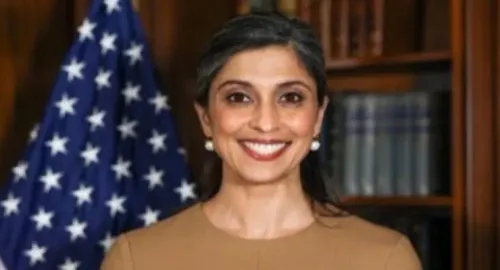
The turning point, Vance suggested, came not through theology but through his relationship with Usha, a lawyer and the daughter of Indian immigrants, whom he married before entering national politics. Although she does not share his Christian faith, her quiet support became, he said, almost a sign that his return to religion was the right path.
'I had this epiphany — which is overstating it — but I realised that falling in love with Usha made me realise that there was actually something sacramental to love,' Vance said.
He spoke candidly about the demands his faith places on their interfaith household, including taking his then 36-week-pregnant wife and their three children to church every Sunday.
'She did not sign up for this. She signed up to sleep in on Sundays and not have to deal with this,' he said. 'But she does it with incredible patience, and her being not just OK with that but supportive of that journey was like almost confirmation or a sign that it was OK for me to go down this pathway.'
He also said Usha reshaped how he thought about marriage itself. 'Usha, even though she's not a Christian, she really changed how I thought about the union of man and woman together... Without even realising it, I thought about it in a very, very Christian way,' he said.
The Broader Influences on His Faith
Beyond his marriage, Vance credited a circle of Christian friends whose conduct in daily life he found compelling. 'At some basic level, I had some really good friends who were really good people, and they showed me the truth of faith by the way that they conducted themselves in the world,' he said.
Now 41, Vance said becoming a husband and father forced him to confront deeper questions about meaning, responsibility, and purpose — questions that ultimately led him back to the faith of his childhood.
Usha Vance: A Prominent Indian American Figure
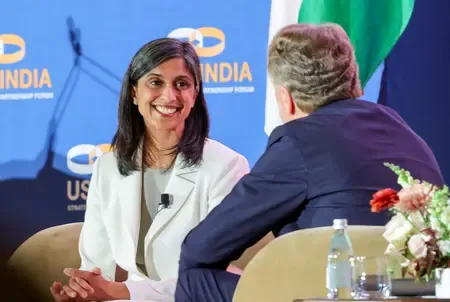
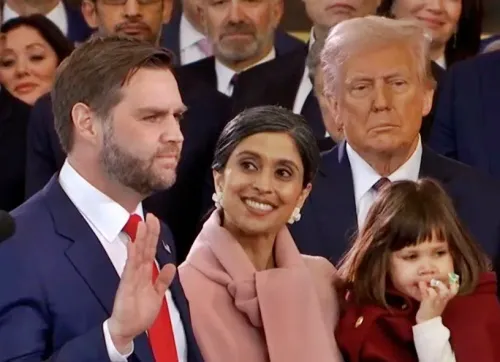
Usha Vance, a trained lawyer and the daughter of Indian immigrants, has become one of the most prominent Indian American figures in US public life since her husband's rise from senator to vice president. While she has largely remained outside day-to-day political debates, her presence on the national stage has grown considerably — and her husband's memoir places her at the centre of one of its most personal chapters.
Point of View
Whether he intends it or not. What is less examined is what this interfaith dynamic says about the lived complexity behind ideological positions that are rarely as monolithic as their public articulation suggests.
NationPress
20 Sept 2026
Frequently Asked Questions
Why did JD Vance credit Usha Vance for his return to Christianity?
JD Vance said falling in love with Usha changed his understanding of love and commitment, leading him to see it as 'sacramental' — a realisation he described as central to his journey back to Christianity. He also cited her patience in supporting his faith practice despite not sharing it herself.
What is JD Vance's memoir 'Communion' about?
'Communion: Finding My Way Back to Faith' traces Vance's personal journey from a turbulent childhood and years of atheism to his conversion to Catholicism. It covers the roles of his grandmother, his wife Usha, and Christian friends in shaping his spiritual life.
Is Usha Vance a Christian?
No. Usha Vance, a lawyer and the daughter of Indian immigrants, does not share her husband's Christian faith. Vance has spoken about the interfaith nature of their marriage and said her support for his religious practice was a significant factor in his return to faith.
When did JD Vance leave Christianity?
Vance said his faith weakened after the death of his grandmother, who he described as his anchor to Christianity. He noted that within roughly two years of her death, he was calling himself an atheist.