Journalists attacked at Rajshahi University by BNP student wing, 10 injured
Synopsis
Leaders and workers of the BNP's student wing, JCD, allegedly stormed Rajshahi University on Sunday night armed with machetes and iron rods, injuring at least 10 people including four named journalists. The attack has triggered rare cross-institutional condemnation — from anti-graft watchdog TIB to the Dhaka University Journalists' Association — with both demanding prosecution regardless of political affiliation, putting the ruling BNP directly in the spotlight.
Key Takeaways
At least 10 people were seriously injured in the attack outside Shaheed Ziaur Rahman Hall at Rajshahi University on Sunday night .
Workers of Jatiyatabadi Chhatra Dal (JCD) , the student wing of Bangladesh's ruling BNP , have been accused of carrying out the assault.
Four journalists — from bdnews24 , Agamir Shomoy , The Daily Star , and Samakal — are among the identified victims.
Attackers allegedly used machetes, cleavers, hockey sticks, iron pipes, and baseball bats ; attempts were made to snatch reporters' phones.
Transparency International Bangladesh (TIB) called for prosecution 'regardless of political affiliation,' and urged both BNP and Jamaat-e-Islami to reform their affiliated organisations.
The Dhaka University Journalists' Association (DUJA) demanded a speedy trial and warned of a credibility crisis for state institutions if accountability fails.
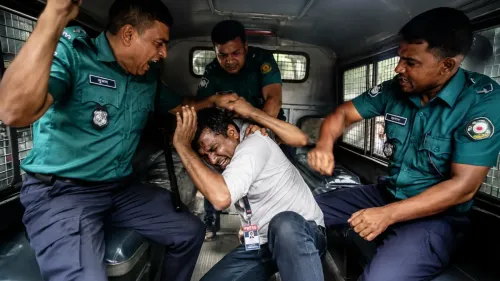
At least 10 people, including multiple journalists, sustained serious injuries on Sunday night after leaders and workers of the Jatiyatabadi Chhatra Dal (JCD) — the student wing of Bangladesh's ruling Bangladesh Nationalist Party (BNP) — allegedly attacked reporters and students at Rajshahi University, according to local media reports. The assault, which took place outside Shaheed Ziaur Rahman Hall, has drawn sharp condemnation from press freedom groups and civil society organisations across Bangladesh.
How the Attack Unfolded
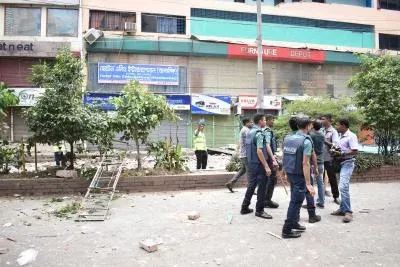
According to witnesses cited by Bangladeshi media, JCD leaders and workers marched in a procession from the university's Transport Market toward the hall gate, reportedly targeting Ariful Islam, the hall parliament General Secretary. They were allegedly armed with locally made weapons, including machetes, cleavers, hockey sticks, iron pipes, and baseball bats.
When the university proctor arrived at the scene, the JCD workers reportedly concealed their weapons. Journalists who reached the spot to document the incident were subsequently attacked. Attempts were also reportedly made to snatch their mobile phones.
Journalists Identified Among the Injured
Four journalists have been named among those injured. They are: Arifuzzaman Korban, university correspondent of bdnews24; Zahidul Islam of Agamir Shomoy; Noor Ahsan Mridul of The Daily Star; and Mainul Islam Raju of Samakal. The extent of their injuries has not been formally disclosed by hospital authorities, according to available reports.
Transparency International Bangladesh Demands Justice
Anti-corruption watchdog Transparency International Bangladesh (TIB) issued a statement on Monday voicing serious concern over what it described as an 'armed attack and death threats' against journalists at Rajshahi University. TIB Executive Director Iftekharuzzaman was quoted as saying: 'Justice must be ensured for the media workers and students who were attacked. Regardless of their political affiliation or power, the perpetrators of the attack, along with their accomplices and supporters, must be prosecuted and held to a high standard through an unbiased investigation.'
Iftekharuzzaman also posed a direct challenge to the political establishment: 'Can the ruling BNP and the opposition Jamaat-e-Islami evade their primary political responsibility to end the violent struggle for asserting authority and to control their respective parties and affiliated organisations?' TIB further urged the leadership of both the ruling BNP and opposition Jamaat-e-Islami to introduce fundamental reforms and take effective self-corrective measures within their parties and affiliated organisations.
Press Bodies Call for Exemplary Punishment
The Dhaka University Journalists' Association (DUJA) also sharply condemned the attack, demanding a speedy trial for all those involved. In a statement, DUJA leaders warned: 'If justice and accountability are not ensured following this attack, questions naturally arise regarding the performance of the relevant state institutions.' The association also called for concrete measures to guarantee a safe working environment for media professionals on university campuses across Bangladesh.
This incident adds to a pattern of growing concern over press freedom and campus violence in Bangladesh, with student-affiliated political groups repeatedly accused of intimidation and physical assault. Authorities have not yet made any arrests in connection with Sunday night's attack, and calls for an independent investigation continue to mount.
Point of View
Where party-affiliated groups use campuses as arenas for violent dominance. What is notable this time is the target: journalists documenting a factional confrontation, not participants in it. TIB's demand that BNP and Jamaat-e-Islami both answer for their affiliated organisations is politically significant, but without arrests and prosecution following through, it risks being another statement in a long series that produced no accountability. The real test is whether Bangladesh's judiciary and law enforcement can act independently of the ruling party whose own student wing stands accused.
NationPress
6 Oct 2026
Frequently Asked Questions
What happened at Rajshahi University on Sunday night?
Leaders and workers of the Jatiyatabadi Chhatra Dal (JCD), the student wing of Bangladesh's ruling BNP, allegedly attacked journalists and students outside Shaheed Ziaur Rahman Hall at Rajshahi University, injuring at least 10 people. The attackers were reportedly armed with machetes, cleavers, hockey sticks, iron pipes, and baseball bats.
Which journalists were injured in the Rajshahi University attack?
Four journalists have been identified: Arifuzzaman Korban of bdnews24, Zahidul Islam of Agamir Shomoy, Noor Ahsan Mridul of The Daily Star, and Mainul Islam Raju of Samakal. They were reportedly beaten while attempting to film and report on the incident.
What has Transparency International Bangladesh said about the attack?
TIB condemned the attack as an 'armed attack with death threats' against journalists and called for prosecution of all perpetrators regardless of political affiliation or influence. TIB Executive Director Iftekharuzzaman also challenged BNP and Jamaat-e-Islami to take self-corrective action within their respective organisations.
Who is the Jatiyatabadi Chhatra Dal (JCD)?
JCD is the student wing of the Bangladesh Nationalist Party (BNP), currently the ruling party in Bangladesh. Student-affiliated wings of political parties in Bangladesh have historically been linked to campus violence and factional clashes.
What action has been demanded following the attack?
Both TIB and the Dhaka University Journalists' Association (DUJA) have demanded a speedy and impartial trial for all those responsible. DUJA also called for measures to ensure a safe working environment for journalists on university campuses, warning that failure to deliver justice would raise questions about the credibility of state institutions.