Kabul school blast: 52+ injured near Sham-e Hedayat, world condemns attack
Synopsis
A hand grenade detonated near a private school in Kabul's Hazara-majority Dasht-e Barchi neighbourhood, wounding more than 52 people — most of them children between 9 and 14. Amnesty International, UNICEF, the EU, and UNAMA have all condemned the attack and demanded an independent probe, intensifying scrutiny of the Taliban's failure to protect ethnic and religious minorities.
Key Takeaways
A grenade explosion near Sham-e Hedayat school in Dasht-e Barchi , western Kabul , injured more than 52 people on 19 August .
Victims were mostly children aged between 9 and 14 years , according to UNAMA .
Taliban spokesperson Khalid Zadran confirmed a hand grenade caused the blast but gave no details on the perpetrator.
Amnesty International called the incident 'deeply disturbing' and demanded an independent, impartial investigation in line with international law.
UNICEF and the European Union also condemned the attack, stressing that schools must be safe spaces for children.
Dasht-e Barchi has faced repeated attacks targeting the Hazara and Shia community for over a decade.
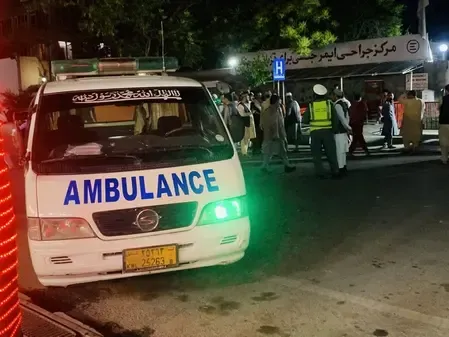
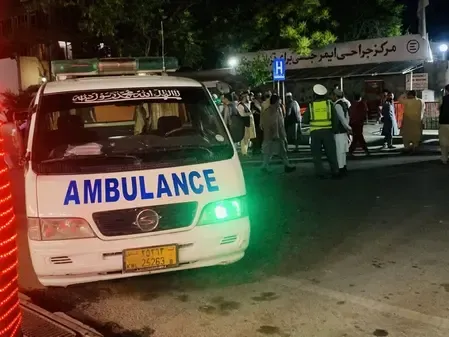
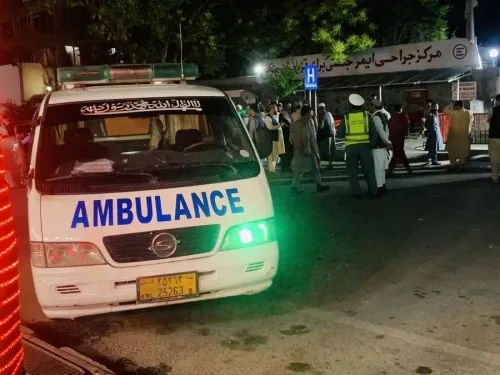
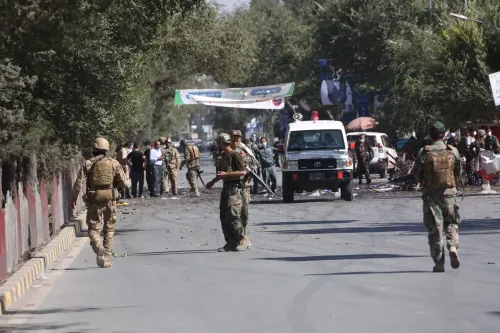
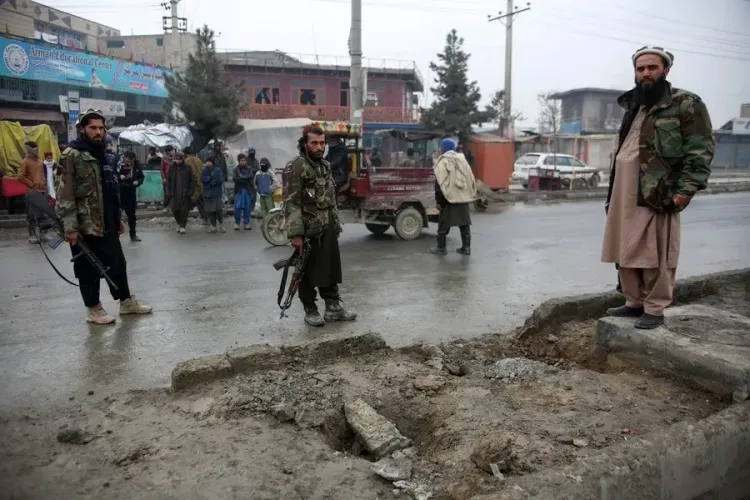
A grenade explosion near the Sham-e Hedayat private school in the Dasht-e Barchi area of western Kabul on Monday, 19 August injured more than 52 people, the majority of them children aged between 9 and 14 years, according to the United Nations Assistance Mission in Afghanistan (UNAMA). The blast has drawn swift and sharp condemnation from international bodies including Amnesty International, UNICEF, the European Union (EU), and UNAMA, all calling for an urgent independent investigation.
What Happened
Taliban police spokesperson Khalid Zadran confirmed the blast was caused by a hand grenade but provided no further details on who was carrying the device or how it detonated, according to local media reports. The explosion occurred in Dasht-e Barchi, a densely populated neighbourhood in western Kabul that is home to a large Hazara and Shia community.
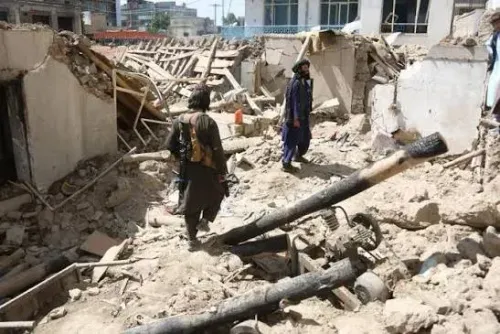
Notably, the area has endured more than a decade of recurring attacks targeting schools, mosques, healthcare facilities, and public transport by various armed groups. This incident is the latest in a grim pattern of violence directed at civilian and educational infrastructure in the region.
International Condemnation
Amnesty International described the incident as 'deeply disturbing' and demanded a 'thorough, effective, independent and impartial investigation' conducted in line with international law and standards. The rights group also insisted that those found responsible must face justice through fair trials.
'Dasht-e-Barchi, a predominantly Hazara-populated area of Kabul, has endured more than a decade of repeated attacks on schools, mosques, public transport and healthcare facilities by various armed groups. The Taliban, as the de facto authorities, must ensure the protection of civilians including religious and ethnic minorities in Afghanistan,' Amnesty International stated.
UNICEF voiced serious concern over the injuries sustained by children and called for the safety, dignity, and rights of all children to be respected and protected at all times. 'Our thoughts are with the injured children, their families and all those affected. Schools must be safe places. Children should never be a target and exposed to violence or harm,' UNICEF Afghanistan said in a post on X.
EU and UNAMA Respond
The European Union expressed grave concern, stressing that schools must remain safe spaces and that deliberate attacks on educational institutions are 'unacceptable.' In a post on X, EU in Afghanistan said: 'We are deeply concerned by an explosion near Sham-e-Hedayat School, Dasht-e-Barchi, injuring dozens of students. Swift recovery to the injured; sympathies to families and school community. Schools must be safe; deliberate attacks on children and education centers are unacceptable.'
UNAMA confirmed that the injured children were aged between 9 and 14 years and called for a full investigation into the circumstances of the blast. 'Our thoughts are with the children injured and their families. We call for an investigation to establish the circumstances of this incident. Schools and education centres must be kept safe,' UNAMA said.
Context: A Community Under Siege
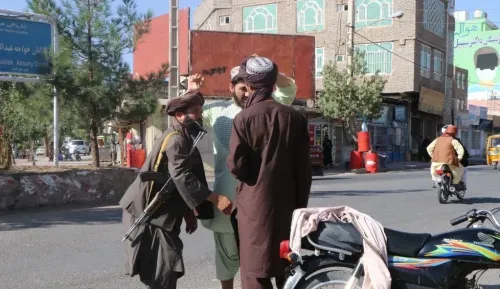
The Dasht-e Barchi neighbourhood has been one of Kabul's most frequently targeted areas. Past attacks in the locality have struck a maternity hospital, a wrestling club, a school, and a mosque — with the Hazara minority community bearing a disproportionate share of casualties. Under Taliban rule since August 2021, the de facto authorities have faced sustained criticism from human rights organisations over their capacity and willingness to protect ethnic and religious minorities from militant violence.
With no group immediately claiming responsibility for the 19 August blast, international pressure is mounting on the Taliban to conduct a credible investigation and publicly account for the security failures that allowed the attack to occur.
Point of View
Mosques, schools, and transit hubs with near-clockwork regularity since the mid-2010s. The Taliban's response — a spokesperson confirming the grenade without identifying a suspect or motive — is the same opacity that has followed every previous attack. International condemnation is abundant; accountability is not. The harder question that Amnesty, UNICEF, and UNAMA have not yet answered publicly is what leverage, if any, the international community retains over a de facto government it refuses to formally recognise but continues to engage on humanitarian grounds.
NationPress
3 Oct 2026
Frequently Asked Questions
What happened near Sham-e Hedayat school in Kabul?
A hand grenade exploded near the Sham-e Hedayat private school in the Dasht-e Barchi area of western Kabul on 19 August, injuring more than 52 people, most of them children aged between 9 and 14 years. Taliban police confirmed the grenade as the cause but provided no details on the perpetrator.
Who has condemned the Kabul school explosion?
Amnesty International, UNICEF, the European Union, and the United Nations Assistance Mission in Afghanistan (UNAMA) have all condemned the blast and called for an independent investigation. Each body stressed that schools must remain safe spaces for children.
Why is Dasht-e Barchi a recurring target?
Dasht-e Barchi is a densely populated neighbourhood home to a large Hazara and Shia community, which has faced repeated militant attacks for over a decade. Past strikes have hit a maternity hospital, a school, a mosque, and public transport in the same area.
What has the Taliban said about the explosion?
Taliban police spokesperson Khalid Zadran confirmed the blast was caused by a hand grenade but provided no further information about who was carrying it or how it detonated, according to local media reports. No group has claimed responsibility.
What are international bodies demanding after the blast?
Amnesty International has called for a thorough, independent, and impartial investigation conducted in line with international law, with those responsible brought to justice through fair trials. UNAMA and the EU have similarly demanded accountability and reiterated that attacks on educational institutions are unacceptable.