Karachi water crisis enters second week: 80MGD shortfall hits millions
Synopsis
Karachi's chronic water deficit has turned acute: a planned pipeline switch on 21 April triggered a 250MGD shortfall, a power failure then burst three major lines, and fresh leakages have stalled recovery. With demand at 1,200MGD and supply at just 650MGD even on good days, this crisis exposes a structural failure that no single repair can fix.
Key Takeaways
Karachi's water crisis began on 21 April 2025 when the KWSC shut a key conduit to connect a new 72-inch pipeline near Dhabeji Pumping Station .
A power breakdown caused three 72-inch supply lines to burst, adding a 140MGD shortfall on top of the planned disruption.
The net shortfall as of Thursday stands at 80MGD , with Korangi , Malir , DHA , and Clifton among the worst-hit areas.
Two fresh leakages found in Line No.
5 at Gulshan-i-Hadeed have delayed full restoration.
Karachi's daily water demand exceeds 1,200MGD against a supply of just 650MGD — a structural deficit that predates this crisis.
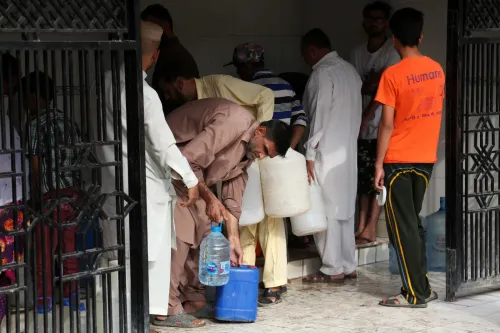
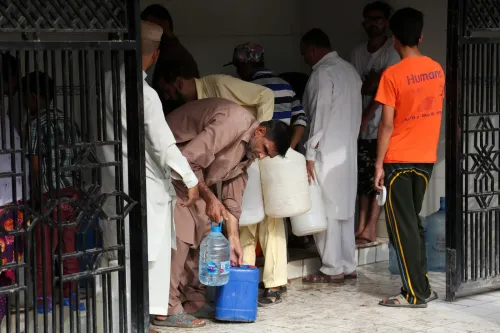
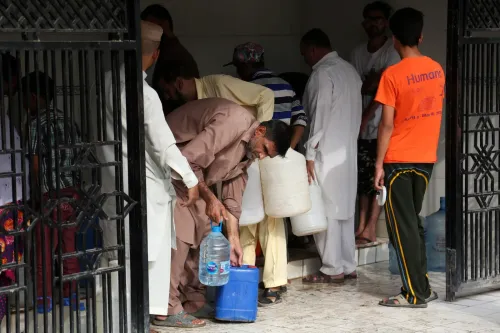
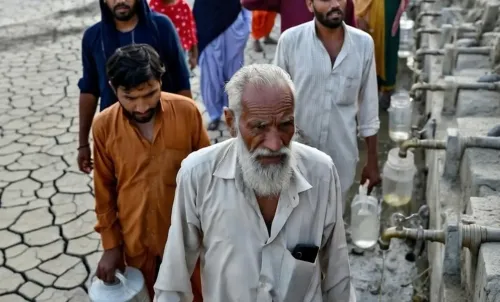
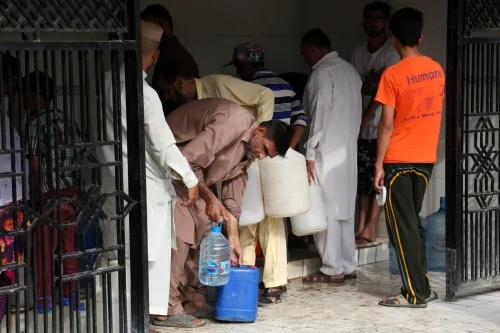
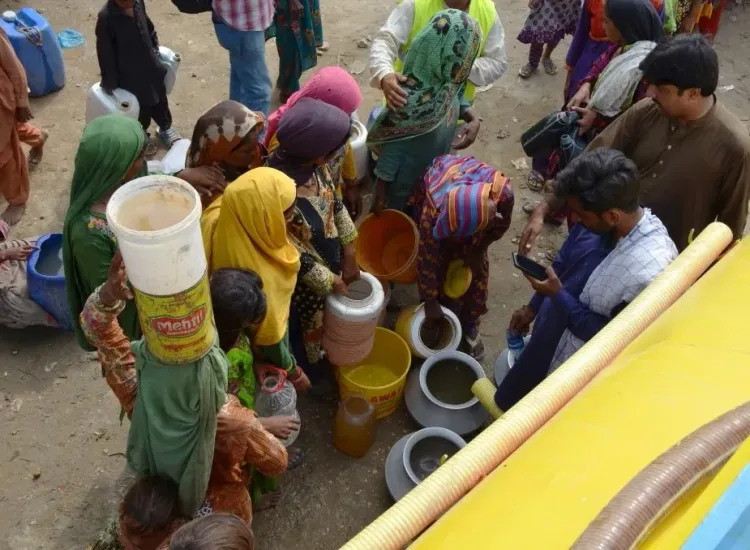
Residents are buying water from private tankers as tap water remains unavailable for up to a week in some areas.
Residents of Karachi, Pakistan's largest city, are enduring an acute water crisis now in its second week, as a combination of planned infrastructure work, power failures, and burst pipelines has slashed daily supply to critical levels. According to Dawn, Pakistan's leading English daily, the ongoing shortfall stands at 80 million gallons per day (MGD) as of Thursday, with several major neighbourhoods still without reliable tap water.
How the Crisis Began
The trouble started on 21 April when the Karachi Water and Sewerage Corporation (KWSC) shut down a key conduit to connect a newly laid 72-inch diameter pipeline, replacing the ageing Line No. 5 near the Dhabeji Pumping Station. The planned interconnection immediately triggered a shortfall of 250MGD — roughly 40% of Karachi's total daily supply of 650MGD, against a demand of over 1,200MGD. The gap between what the city needs and what it receives has long been stark; this crisis has only widened it further.
Power Breakdown Compounds the Damage
The KWSC managed to restore 100MGD by the following evening, but the recovery was short-lived. A major power breakdown at the Dhabeji Pumping Station tripped several pumps and caused three 72-inch diameter supply lines to burst, creating a fresh shortfall of 140MGD. The outage damaged key installations at Dhabeji, disrupting water supply to a wide arc of the city including Korangi, Malir, Chanesar, Jinnah Town, Landhi, Shah Faisal Colony, Saddar Town, and Clifton.
Repair Efforts and Fresh Leakages
Emergency repair crews worked through the week and restored the three burst lines by Friday. However, power testing on Line No. 5 uncovered two fresh leakages in the 72-inch pipeline at Gulshan-i-Hadeed, setting back the recovery timeline. Repair work on the damaged section is ongoing. A KWSC spokesperson confirmed that the net shortfall on Thursday remained at 80MGD, adding that Korangi, Malir, Jinnah Town, Saddar, DHA, and Clifton remain the worst-hit areas with Line 5 still offline.
Residents Bear the Brunt
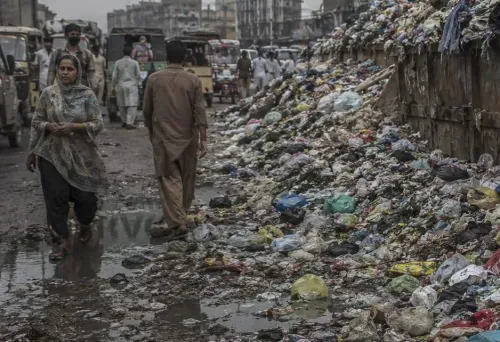
On the ground, the impact is severe. Abdul Ghafoor, a Karachi resident, told Dawn that his household had not received tap water for over a week and was forced to purchase water from private tankers — an expensive alternative that many lower-income families cannot afford. Another resident, a woman, said there had been no water in her area for five days. A third resident described the grim daily routine: checking taps every morning and bracing for another dry day. This comes amid Karachi's pre-existing structural water deficit, where daily demand of over 1,200MGD has consistently outpaced a supply of just 650MGD — a gap that existed long before this crisis.
What Happens Next
The KWSC has not provided a firm timeline for the full restoration of Line No. 5. Until the Gulshan-i-Hadeed leakages are repaired and power testing is completed, millions of Karachi residents will continue to face severe shortages. With summer temperatures rising across Sindh, the pressure on the city's already overstretched water infrastructure is expected to intensify in the coming weeks.
Point of View
Not an unforeseen disaster, triggered the cascade. That points to inadequate contingency planning by the KWSC. With summer approaching and no firm restoration timeline for Line No. 5, Karachi's poorest residents — who cannot afford tanker water — will absorb the cost of an institutional failure that has been decades in the making.
NationPress
19 Sept 2026
Frequently Asked Questions
Why is Karachi facing a water crisis in May 2025?
The crisis began on 21 April 2025 when the KWSC shut a key conduit to connect a new 72-inch pipeline near Dhabeji Pumping Station, causing a 250MGD shortfall. A subsequent power breakdown burst three major supply lines, compounding the disruption and pushing the net shortfall to 80MGD by Thursday.
Which areas of Karachi are worst affected by the water shortage?
Korangi, Malir, Jinnah Town, Saddar, DHA, and Clifton are the worst-hit neighbourhoods, according to the KWSC spokesperson. Chanesar, Landhi, and Shah Faisal Colony have also been impacted by the outages at Dhabeji Pumping Station.
What is the current status of repairs at Dhabeji Pumping Station?
Emergency crews restored the three burst supply lines by Friday, but two fresh leakages were discovered in Line No. 5 at Gulshan-i-Hadeed during power testing. Repair work on those leakages is ongoing, and the KWSC has not provided a firm restoration timeline.
How severe is Karachi's underlying water shortage?
Karachi's daily water demand exceeds 1,200MGD, while total supply stands at only 650MGD — a structural deficit of over 550MGD that predates the current crisis. The April pipeline disruption reduced supply further, leaving millions of residents without reliable tap water.
What are Karachi residents doing to cope with the water shortage?
Many residents are purchasing water from private tankers, an expensive option that lower-income families struggle to afford. Residents have reported going without tap water for up to a week, with some describing a daily routine of checking taps each morning and expecting no supply.