Are Pakistan's Economic Losses Soaring Due to Border Closures with Afghanistan?
Synopsis
The closure of the Pakistan-Afghanistan border since October has led to a staggering revenue decline of over 53% in Khyber Pakhtunkhwa. As the provincial government seeks federal assistance, the consequences on local businesses and employment are dire. Find out how this situation is affecting the economy and the calls for immediate action.
Key Takeaways
Khyber Pakhtunkhwa has faced a 53.02% drop in revenue.
The closure has lasted since October last year.
Trade suspension has caused significant economic hardships.
Urgent federal intervention is sought to address the crisis.
Protests highlight the desperation of affected communities.
Islamabad, Jan 30 (NationPress) The province of Khyber Pakhtunkhwa has experienced a staggering 53.02% drop in revenue as a result of the ongoing closure and suspension of trade at the Pakistan-Afghanistan border since October of the previous year. This alarming situation has prompted the provincial government to seek intervention from the federal government, as reported by local media on Friday.
The closure of the Pakistan-Afghanistan border has led to substantial revenue losses for Khyber Pakhtunkhwa, with the collection of Infrastructure Development Cess (IDC) plummeting to PKR 3.48 billion from PKR 7.42 billion during the first seven months of the current fiscal year compared to the same period in 2025, according to Pakistan's leading daily, Dawn.
The Chief Minister's financial adviser, Muzammil Aslam, has addressed a letter to Commerce Minister Jam Kamal, urging an urgent meeting of both provincial and federal stakeholders. This meeting aims to discuss the revenue implications for Khyber Pakhtunkhwa and the challenges faced by exporters and traders, including delayed payments and a decline in business activities.
Aslam emphasized that the extended disruption at the border is inflicting severe economic, revenue, and employment issues on Khyber Pakhtunkhwa. He noted that the initial disruption in cess collection was caused by a court stay order that was resolved in November. Despite recovery efforts, the suspension of cross-border trade has hindered progress.
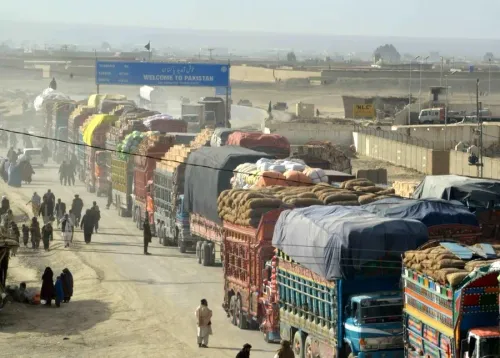
Exporters and traders are struggling as their goods and payments are stranded across the border. Many businesses have been unable to fulfill their statutory cess obligations due to the trade suspension between Pakistan and Afghanistan.
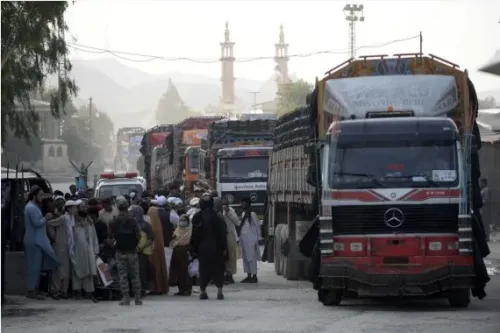
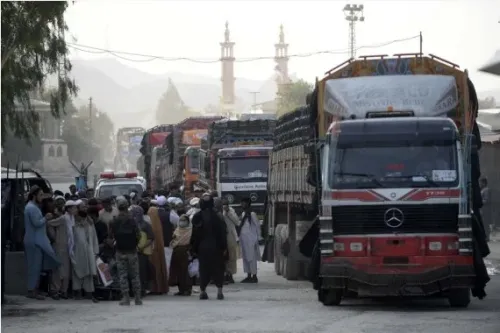
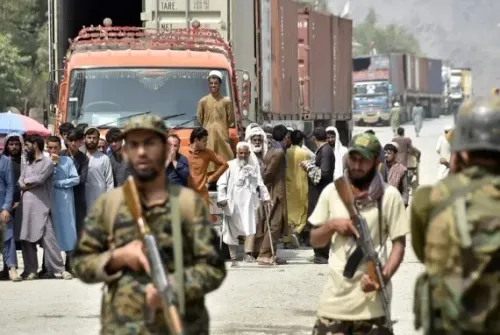
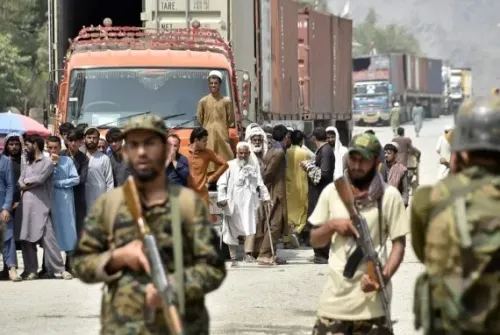
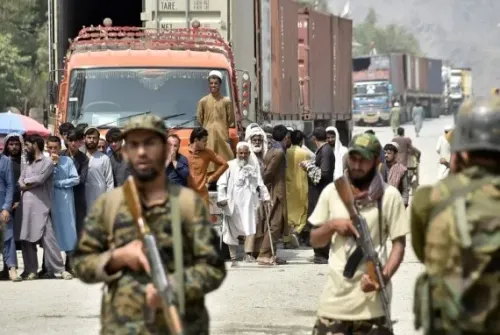
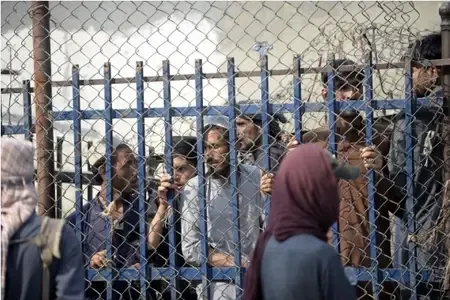
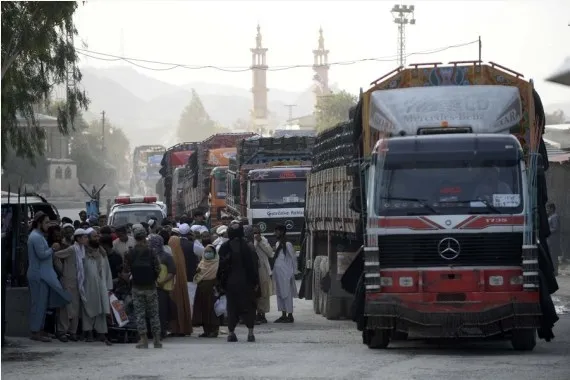
The border crossings have remained closed since October of last year, completely halting bilateral trade between the two nations. The closures followed clashes between Pakistani forces and the Taliban that lasted for eight days. Despite several rounds of discussions between officials from both countries aimed at alleviating tensions, the border crossings have not been reopened.
On January 4, a protest was held in the Landi Kotal area of Khyber Pakhtunkhwa, demanding an immediate reopening of the Torkham border. Traders, transporters, tribal elders, daily wagers, and civil society activists participated in the demonstration, organized under the banner of the All Borders Coordinators Council.
Representatives from various organizations impacted by the border closure took part in the protest, as reported by Dawn. Speakers at the event emphasized that the border shutdown has resulted in the economic devastation of thousands, primarily tribesmen who heavily depend on cross-border trade.
They referred to the Torkham border as a critical business conduit to Central Asia, highlighting its role as an economic center for numerous families whose livelihoods are intertwined with it. According to attendees, all commercial activities in the town have ground to a halt due to the border closure.
Furthermore, speakers pointed out that hundreds of families are facing extreme poverty and economic hardships as a consequence of the border shutdown, with many resorting to loans for survival. They urged both Afghanistan and Pakistan to dissociate bilateral trade from political and security issues and facilitate frequent travel across the border.
Point of View
It's crucial to recognize the profound implications of the border closure on the economy and the livelihoods of countless families in Khyber Pakhtunkhwa. The need for immediate dialogue and resolution between Pakistan and Afghanistan is paramount to restore trade and alleviate the economic distress faced by both nations.
NationPress
1 Oct 2026
Frequently Asked Questions
What caused the border closure between Pakistan and Afghanistan?
The border closures followed clashes between Pakistani forces and the Taliban that lasted for eight days, resulting in ongoing trade suspensions.
How has the border closure affected Khyber Pakhtunkhwa's economy?
The province experienced a 53.02% decline in revenue, with significant impacts on local businesses and employment due to halted trade.
What actions are being taken to address the situation?
The Chief Minister's financial adviser has reached out to federal authorities, requesting urgent meetings to discuss the economic implications and potential solutions.
What was the public response to the border closure?
Protests were organized in Khyber Pakhtunkhwa, demanding the immediate reopening of the Torkham border to restore trade and livelihoods.
What are the long-term consequences of this border closure?
If the situation persists, many families may face severe economic hardships, leading to increased poverty and reliance on loans for survival.