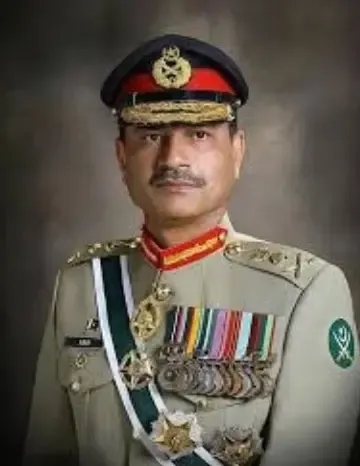
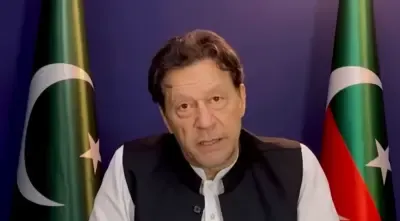
Could the Imran Khan-Asim Munir Conflict Expose Structural Flaws in Pakistan?

Synopsis
The ongoing turmoil surrounding Imran Khan's reported mistreatment while imprisoned could ignite further unrest in Pakistan, a nation already under strain with rising debts and political tensions. This situation raises crucial questions about the stability and governance of the country amidst growing protests.
Key Takeaways
Escalating protests over Imran Khan's treatment highlight national unrest.
The financial burden on Pakistan has reached critical levels.
Khyber Pakhtunkhwa is pivotal in the unfolding political drama.
The conflict reveals deep-rooted issues within Pakistan's political structure.
Increased diplomatic scrutiny may arise from internal and external tensions.
New Delhi, Dec 3 (NationPress) An escalating uproar regarding the alleged mistreatment of imprisoned former Prime Minister Imran Khan could serve as the final trigger for a nation grappling with numerous disturbances and a dwindling economy.
Khyber Pakhtunkhwa, which shares a border with Afghanistan, is currently experiencing tribal unrest and purported terrorist activities. Residents in neighboring regions such as Pakistan-occupied Jammu and Kashmir and Balochistan are voicing their frustrations, demanding basic amenities, protesting against oppression, and even seeking independence.
Compounding these issues, the militia that Islamabad originally supported to combat the Soviet forces in Afghanistan has seized control of Kabul and is unyielding to external pressures, responding to every Pakistani offensive with counterattacks.
The situation along the Pakistan-Afghan border remains precarious, with trade being suspended for nearly two months.
In addition, Islamabad's total public debt has surged to around USD 287 billion as of June 2025, reflecting an increase of nearly 13 percent compared to the previous year, as reported by the Finance Ministry. The debt-to-GDP ratio has escalated to approximately 70 percent. Domestic debt has seen a growth of 15 percent, while external debt has risen by 6 percent. This official financial data highlights Pakistan's mounting debt burden, with high external debt, low foreign exchange reserves, and sluggish growth creating a severe balance-of-payments crisis.
Pakistan is also executing a multi-faceted bailout strategy that includes an IMF program supported by bilateral assurances from China, Saudi Arabia, and the UAE, along with short-term disbursements and debt restructuring negotiations.
The conflict between Pakistan's federal government and Imran Khan's family has escalated from complaints regarding restricted prison access and public accusations to large-scale protests and a potential political clash.
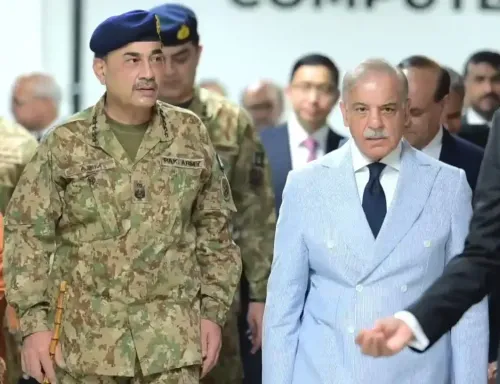
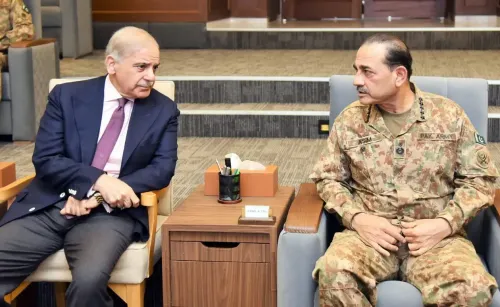
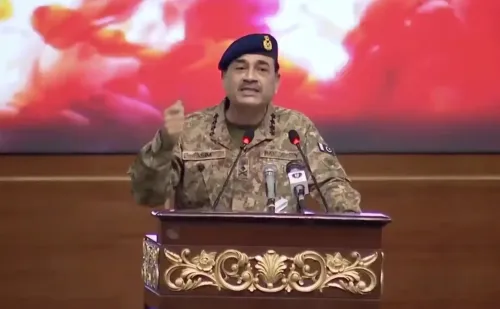
Recent visits by his sister Uzma to see Khan in prison and subsequent revelations about the former cricketer's conditions have intensified the confrontation between his family and their supporters against the administration, particularly targeting Pakistan Army Chief Asim Munir.
It remains to be seen whether the state will initiate a formal investigation that could mandate a legal or institutional response. If not, the Khan-led Pakistan Tehreek-e-Insaf (PTI) party, especially in Khyber Pakhtunkhwa, may turn anger and grievances into further protests, legal actions, or electoral mobilization.
Khyber Pakhtunkhwa (KP) has emerged as the focal point of this unrest, being a stronghold for the PTI. Provincial leaders are conducting coordinated protests, filing legal petitions, and utilizing public messaging to keep Imran Khan's situation at the forefront of public discourse.
KP has compelled federal authorities to react to both security and political pressures. The provincial government's stance and the scale of public mobilization have created a strategic challenge for the federal administration, leading to discussions about extraordinary measures such as dissolving local government and imposing central rule.
Across the nation, authorities have responded with restrictions on gatherings, curfews in critical cities, and heightened security around the Rawalpindi jail where Khan is held, as well as at the court where his case is being heard in Islamabad.
This iron-fisted approach has fueled PTI narratives of oppression and maintained the momentum and fervor of protests. The cycle of protest and crackdown has evolved into a high-stakes public confrontation between PTI’s grassroots networks and state institutions.
Simultaneously, repeated threats of conflict with neighboring states by civil and military leaders, coupled with internal disputes surrounding a globally recognized athlete and political figure being subjected to mental anguish, are drawing increased diplomatic scrutiny and may complicate Pakistan's foreign relations.
The current standoff highlights a deeper structural issue in Pakistani politics, revealing ongoing ambiguity regarding the division between civilian authority and military dominance, as well as how personal conflicts can serve as proxies for institutional battles, a recurring theme in the nation's history.
Point of View
I emphasize that the unfolding situation surrounding Imran Khan not only reflects personal grievances but also represents a critical examination of Pakistan's governance structure. The nation must address its internal conflicts while striving for stability and unity.
NationPress
16 Oct 2026
Frequently Asked Questions
What are the implications of Imran Khan's imprisonment?
Imran Khan's imprisonment could lead to increased political unrest and challenge the current government's authority, influencing Pakistan's political landscape significantly.
How is the economic situation affecting the protests?
Pakistan's rising debt and economic instability are fueling public discontent, making citizens more likely to protest against perceived injustices.
What role does Khyber Pakhtunkhwa play in the current unrest?
Khyber Pakhtunkhwa is a stronghold for the PTI and has become the epicenter of protests, urging the federal government to respond to both security and political pressures.