Why is BJP Criticizing the TN Government Over Thiruparankundram Clash?
Synopsis
The BJP has raised serious concerns against the Tamil Nadu government over the recent chaos at the Karthigai Deepam ceremony. National Co-in-Charge Ponguleti Sudhakar Reddy demands a judicial probe into police actions against devotees, emphasizing the need for transparency and accountability in maintaining religious freedoms.
Key Takeaways
BJP demands a judicial probe into police actions.
Accusations of selective restrictions against Hindu rituals.
Concerns raised by civil society about state interference.
Importance of constitutional rights in religious practices.
Need for government transparency to maintain public trust.
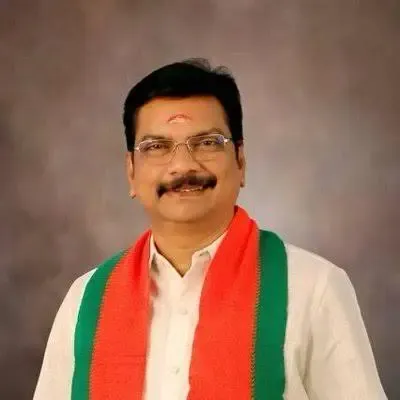
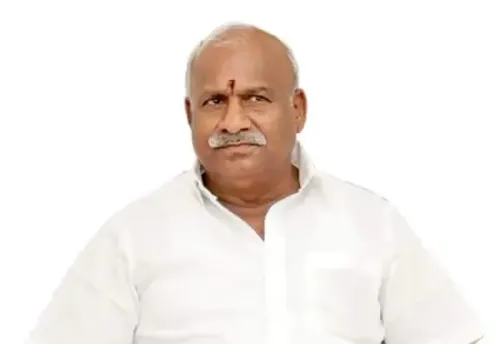
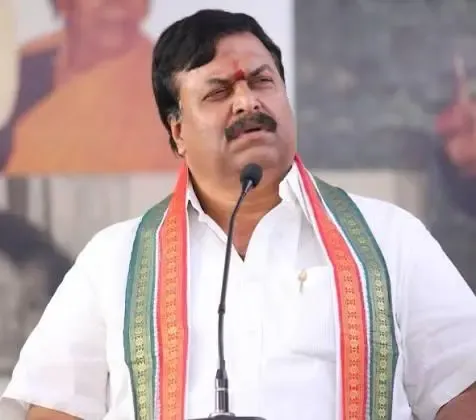
Chennai, Dec 4 (NationPress) The BJP's National Co-in-Charge for Tamil Nadu and Karnataka, Ponguleti Sudhakar Reddy, has vehemently criticized the Tamil Nadu government in light of the turmoil surrounding the traditional Karthigai Deepam lighting ceremony on Thiruparankundram Hill. He is demanding a judicial investigation led by a sitting High Court judge into the entire series of events, which includes the reported lathi-charge on devotees.
Reddy has accused the DMK government of implementing “selective and disproportionate restrictions” against a time-honored Hindu tradition that has been observed peacefully by devotees for generations.
“The police action against innocent devotees is intolerable. The citizens of Tamil Nadu deserve a clear and transparent account. A judicial inquiry is crucial to restore trust in the administration,” he stated.
The situation intensified after the Hindu Religious and Charitable Endowments (HR&CE) Department contested a judicial ruling that had previously permitted the ritual lighting atop the sacred hill.
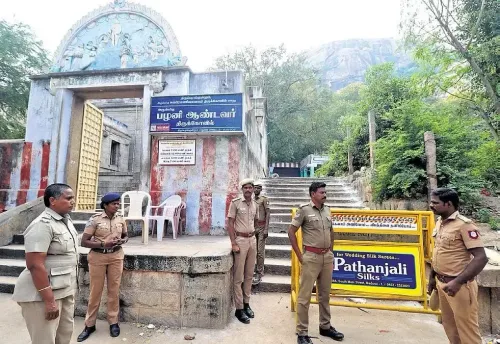
In response, a significant number of police were deployed to prevent devotees from engaging in the traditional Deepam lighting, sparking widespread outrage and confrontational scenes.
Witnesses reported that police used force to disperse worshippers attempting to carry out the ritual.
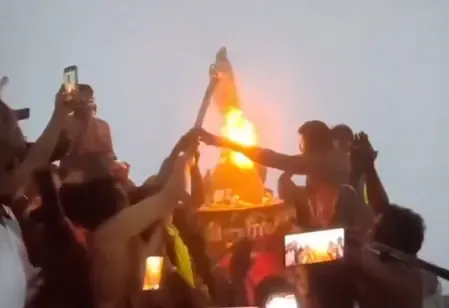
Video footage circulating on social media depicted agitated devotees chanting slogans, alleging state interference in a religious practice deeply embedded in Sanatan Dharma.
Various civil society organizations and legal experts have questioned the logic behind the government’s abrupt hardline stance.
While acknowledging that the state must adhere to court directives and maintain public order, they emphasized that its actions should remain consistent, proportional, and in line with constitutional protections under Articles 25 and 26, which safeguard freedom of religion and the rights of communities to manage their own religious practices.
Numerous Hindu organizations have echoed these concerns, asserting that the intervention seemed excessive and inconsistent with how similar situations are addressed within other religious communities.
They contend that such selective enforcement undermines the confidence of devotees and risks fostering a perception of religious bias.
As public pressure escalates, political analysts suggest that the government will likely need to provide a thorough clarification to quell the growing unrest and reaffirm its dedication to secularism and constitutional principles.
Point of View
The situation surrounding the Thiruparankundram clash raises significant questions about the balance between maintaining public order and respecting the constitutional right to religious practice. It is imperative for the government to address these concerns with transparency and fairness, ensuring that all communities feel secure in their rights.
NationPress
7 Oct 2026
Frequently Asked Questions
What triggered the clash at Thiruparankundram Hill?
The clash was triggered by police actions aimed at preventing devotees from performing the traditional Karthigai Deepam lighting, leading to widespread outrage.
Who is demanding a judicial inquiry?
BJP National Co-in-Charge for Tamil Nadu and Karnataka, Ponguleti Sudhakar Reddy, is demanding a judicial inquiry into the incident.
What are the constitutional protections related to religious practices?
Articles 25 and 26 of the Indian Constitution protect the freedom of religion and the rights of communities to manage their own religious affairs.
How have civil society groups responded?
Civil society groups have raised concerns about the government's hardline approach and the rationale behind it.
What is the potential impact of this incident?
The incident could lead to increased unrest and demands for greater accountability from the government regarding its treatment of religious practices.