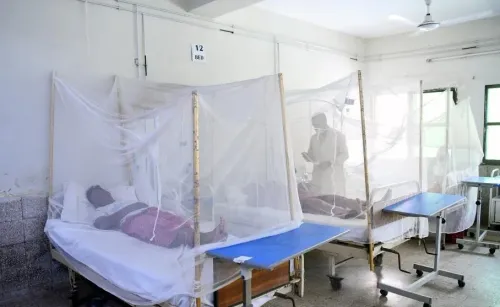
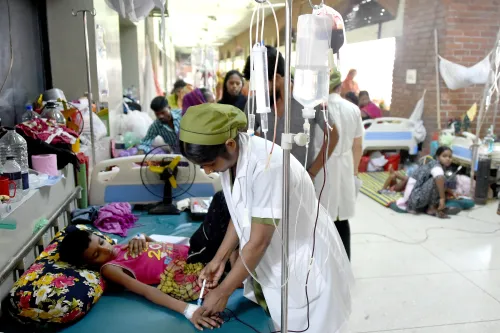
Khyber Pakhtunkhwa dengue cases hit 4,091 after 99 new cases in single day
Synopsis
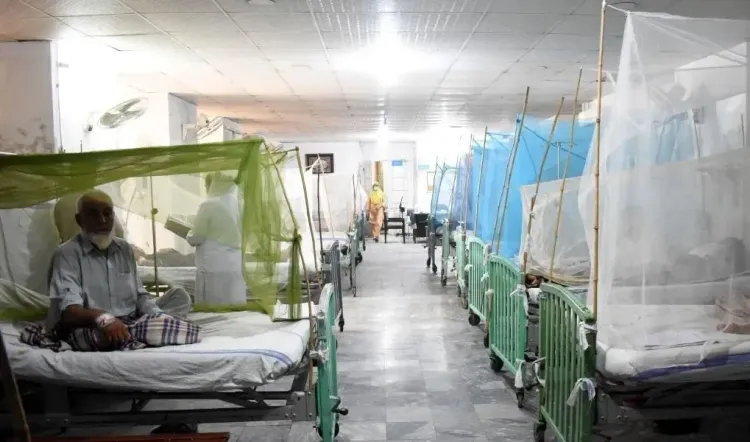
Khyber Pakhtunkhwa has crossed 4,091 dengue cases in 2026 after logging its highest single-day count — roughly 100 — on 20 October. With Kohat in the grip of an active outbreak and Islamabad tracking 42 cases separately, Pakistan's post-monsoon dengue season is intensifying at a pace that is straining district health systems.
Key Takeaways
Khyber Pakhtunkhwa reported approximately 100 new dengue cases on 20 October 2026 — the highest single-day figure in the province this year.
Cumulative 2026 cases in the province stand at 4,091 , with 144 active cases and 3,946 recoveries per IDSRS data.
Kohat leads with 80 cases since 1 October , followed by Bannu (24) and Peshawar (18).
Islamabad has recorded 42 dengue cases between January and 16 October 2026 , with 32 in rural and 10 in urban areas.
Anti-dengue teams conducted 382,452 surveillance activities and eliminated 7,669 mosquito-larvae sites in Islamabad in October alone.
The WHO notes no specific treatment exists for dengue; early detection remains the primary tool for reducing fatality rates.
Pakistan's Khyber Pakhtunkhwa province recorded approximately 100 new dengue cases in a single 24-hour period on 20 October 2026, the highest single-day tally reported in the province this year, according to local media. The surge pushed the province's cumulative 2026 dengue caseload to 4,091, with 144 active cases and 3,946 recoveries, as per data from the Integrated Disease Surveillance and Response System (IDSRS).
Kohat at the Epicentre
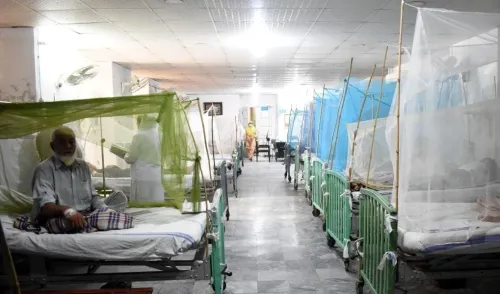
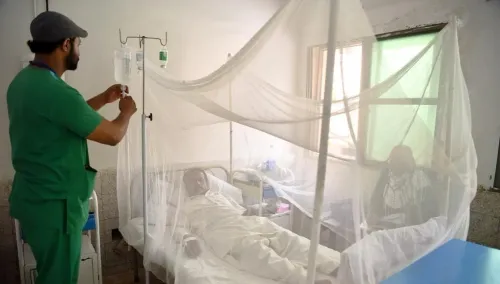
October has proved the most challenging month for Khyber Pakhtunkhwa, with Kohat bearing the heaviest burden of the current outbreak. The district has logged 80 dengue cases since 1 October, placing acute pressure on its hospital infrastructure. Bannu followed with 24 cases and Peshawar with 18 during the same period. The provincial health department has deployed targeted measures in Kohat to control further transmission, though officials acknowledged that case numbers remain elevated.
Islamabad Also Under Watch
Pakistan's federal capital, Islamabad, has recorded 42 dengue cases between 1 January and 16 October 2026. Of these, 32 were reported from rural areas and 10 from urban zones. Authorities have identified hotspots and high-risk areas to contain further spread. Anti-dengue teams conducted 382,452 surveillance and control activities across the capital in October alone, according to reports.
Scale of Vector Control Operations
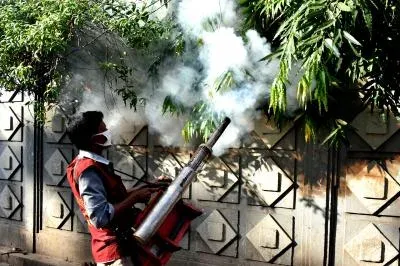
Control teams identified and eliminated 7,669 sites containing mosquito larvae during October operations in Islamabad. Field teams visited 10,084 locations, while indoor vector-surveillance units inspected 72,305 houses to detect potential breeding grounds as part of an ongoing hotspot surveillance campaign.
What Is Dengue and Why Early Detection Matters
Dengue is a viral infection caused by the dengue virus (DENV), transmitted to humans through the bite of infected Aedes mosquitoes. The World Health Organisation (WHO) notes that prevention and control rely primarily on vector management, as no specific antiviral treatment currently exists for dengue or severe dengue. Early detection and timely access to medical care are critical in significantly reducing fatality rates from severe cases.
This comes amid a broader regional pattern of elevated dengue transmission across South Asia in the post-monsoon season, when stagnant water pools accelerate mosquito breeding. How quickly provincial authorities can scale up elimination operations in Kohat will likely determine whether the daily case count stabilises or climbs further in the coming weeks.
Point of View
Not merely a statistical footnote. Kohat's 80 cases in less than three weeks suggest localised transmission that vector-control operations have not yet brought under control. What the IDSRS data does not yet tell us — death counts, hospitalisation rates, severe-case proportions — are precisely the metrics that determine whether this outbreak is manageable or escalating toward a crisis. Regional trends across South Asia show that post-monsoon dengue surges are becoming more intense each successive year, pointing to a structural vector-control deficit that seasonal campaigns alone cannot fix.
NationPress
20 Oct 2026
Frequently Asked Questions
How many dengue cases has Khyber Pakhtunkhwa reported in 2026?
Khyber Pakhtunkhwa has reported a total of 4,091 dengue cases in 2026, following a single-day surge of approximately 100 cases on 20 October. Of these, 144 remain active and 3,946 patients have recovered, according to IDSRS data.
Which district in Khyber Pakhtunkhwa has the most dengue cases in October 2026?
Kohat has reported the highest number of cases in October, with 80 dengue cases recorded since 1 October 2026. The outbreak has placed significant pressure on Kohat's hospitals, prompting targeted health department interventions.
How many dengue cases has Islamabad reported in 2026?
Islamabad has reported 42 dengue cases between 1 January and 16 October 2026, with 32 cases in rural areas and 10 in urban zones. Anti-dengue teams have conducted over 382,000 surveillance and control activities in the capital during October.
Is there a treatment for dengue fever?
There is no specific antiviral treatment for dengue or severe dengue, according to the World Health Organisation. Early detection and access to proper medical care are the most effective tools for reducing fatality rates from severe dengue cases.
What measures are authorities taking to control the dengue outbreak?
Provincial health authorities in Khyber Pakhtunkhwa have deployed targeted control measures in outbreak hotspots, particularly Kohat. In Islamabad, teams have eliminated 7,669 mosquito-larvae sites, inspected 72,305 houses, and visited over 10,000 locations as part of an ongoing hotspot surveillance campaign.