Will the Kremlin Respond to the Seizure of Russian Assets?
Synopsis
In a bold proclamation, the Kremlin has warned that the seizure of Russian assets will provoke a strong legal response. As tensions rise, the EU has also struggled to finalize financial aid for Ukraine, creating a complex geopolitical landscape. What does this mean for global relations?
Key Takeaways
Kremlin's Strong Warning: The Kremlin vows legal action against those seizing Russian assets.
EU's Financial Support: The EU has raised 90 billion euros to aid Ukraine amidst ongoing tensions.
Political Stalemate: Hungary and other countries have opted out of the reparations loan plan.
Global Implications: The situation raises significant questions about international relations and support for Ukraine.
Moscow, December 19 (NationPress) The Kremlin has issued a stern warning that any seizure of Russian assets will not be tolerated and those responsible will face consequences. Russia intends to utilize all available legal avenues to address this issue, as reported by local media on Friday.
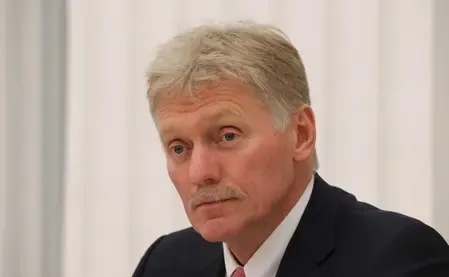
Russian Presidential Press Secretary Dmitry Peskov stated, "We have consistently maintained that actions regarding the expropriation of Russian assets will not go unanswered. Individuals and groups that have made these decisions will be held accountable." He emphasized that all possible legal mechanisms will be employed to ensure accountability.
In related news, the leaders of the European Union have been unable to finalize a reparations loan for Ukraine, resulting in a collective debt of 90 billion euros instead of a financing loan. Hungary, the Czech Republic, and Slovakia have opted out of this arrangement, as reported by Euro News.
The EU will raise 90 billion euros in joint debt to support Ukraine over the next two years after failing to secure a reparations loan. This decision came as EU leaders faced deadlock over Belgium's demand for unlimited guarantees before accessing immobilized Russian assets held in the country.
Prior to the summit in Brussels on Thursday, EU leaders expressed that there was no alternative plan and made attempts to facilitate a reparations loan for Ukraine, backed by the immobilized Russian assets. Efforts led by German Chancellor Friedrich Merz were unsuccessful due to Belgian demands for guarantees.
Following the summit, European Commission President Ursula von der Leyen, alongside Danish Prime Minister Mette Frederiksen, declared that the primary aim of funding for Ukraine had been achieved.
Frederiksen remarked, "The key takeaway from today is that our commitment to support Ukraine remains firm."
Before the summit, Hungary indicated its refusal to back the EU's reparations loan for Ukraine. Prime Minister Viktor Orban has consistently opposed financial assistance to Ukraine and criticized European leaders for their management of the Russia-Ukraine situation.
Point of View
It's essential to recognize the Kremlin's firm stance on asset seizures and the consequential geopolitical ramifications. The situation calls for a careful analysis of international relations and financial support mechanisms for Ukraine, while balancing national interests and global diplomacy.
NationPress
7 Oct 2026
Frequently Asked Questions
What actions will the Kremlin take against asset seizures?
The Kremlin has warned that it will not tolerate the seizure of Russian assets and plans to utilize all available legal mechanisms to hold those responsible accountable.
What financial support is the EU providing to Ukraine?
The EU has agreed to raise 90 billion euros in joint debt to support Ukraine for the next two years after failing to finalize a reparations loan.
Which countries oppose the EU's reparations loan plan?
Hungary, the Czech Republic, and Slovakia have opted out of the reparations loan scheme proposed by the EU.